
Toccata and Fugue in D minor, BWV 565
A dramatic organ composition long attributed to Johann Sebastian Bach, famous for its striking toccata opening and fugue; widely adapted in film and orchestral arrangements and known through later manuscript copies.
Overview
The Toccata and Fugue in D minor, BWV 565, is one of the best-known pieces associated with Johann Sebastian Bach. Written in an organ idiom, the work is celebrated for a forceful, improvisatory opening followed by a contrapuntal fugue. Its dramatic gestures and memorable melodic outlines have given it an outsized place in both concert programs and popular culture. Modern editions are based on later copies rather than an autograph source; readers can find general instrument and composer context here: organ, Johann Sebastian Bach.
Image gallery
10 Images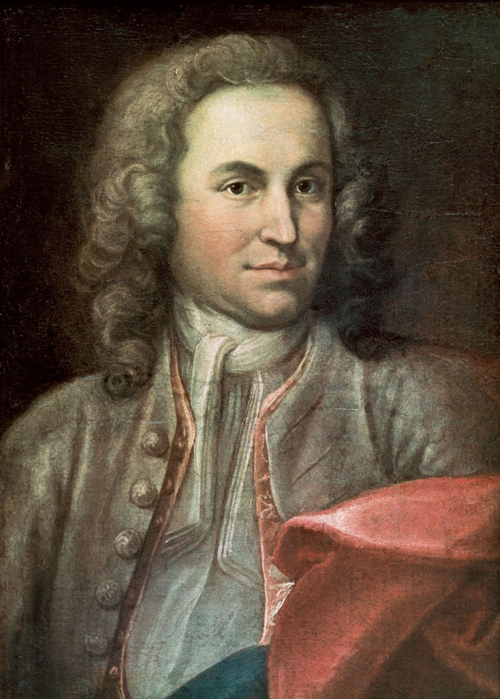


Musical characteristics
The first section — the toccata — opens with rapid flourishes, single-line runs, bold octave statements and sudden dissonances that create a sense of improvisation and theatricality. The subsequent fugue presents a concise subject and develops it through stretto, sequence and pedal-driven countersubjects. The piece is short, concentrated and exploits the organ's capacity for sustained tone and registration contrasts. Its stylistic traits have sometimes been described as overly melodramatic in later receptions.
History and sources
The autograph manuscript has not survived, and the composition is known through copies produced by later copyists and pupils. Because the earliest extant manuscripts postdate Bach's lifetime, scholars have debated the date of composition and aspects of authorship; many sources place its origin in the early 18th century. The loss of the original score and reliance on copied texts are central facts about its transmission: original manuscript, copies made by Bach's students.
Cultural impact and adaptations
The piece achieved wide popular recognition when it was adapted for film and concert use. Its ominous opening made it a staple cue in silent movies and later in scary movies and radio theatre. A famous orchestral rendering appeared in Walt Disney's Fantasia after orchestration by the studio for the film; the project was produced under the auspices of Walt Disney and featured in an animated sequence.
Performance, arrangements and notable facts
Organists continue to perform BWV 565 in church and recital settings, while arrangers have produced versions for orchestra, piano, and chamber ensembles. Standard points of interest include its compact fugue subject, the theatrical use of registration, and the unresolved questions about its precise origin. The piece's adaptability explains why it appears in textbooks, concert encores and film scores alike.
- Typical performance forces: solo organ, orchestral arrangements (organ context).
- Popular culture links: silent films, horror cinema.
- Key modern references: Disney's Fantasia and other media under Walt Disney and collaborators.
- Manuscript situation summarized: lost autograph (original manuscript), surviving in later copies.
Further reading and listening can be located through general resources on the organ and on Bach's works: Bach, and musical overview pages about the instrument and performance practice: organ. For examples of the piece in media, consult historical surveys of melodramatic scoring and compilations of animated film music.
Related articles
Author
AlegsaOnline.com Toccata and Fugue in D minor, BWV 565 Leandro Alegsa
URL: https://en.alegsaonline.com/art/100224