
Tomb Raider: The Video Game Franchise and Its Legacy
Tomb Raider is an influential action-adventure video game franchise starring Lara Croft, known for exploration, puzzles and evolving gameplay; it expanded into films, comics and broader popular culture.
Tomb Raider is a long-running action-adventure video game franchise that debuted in 1996 and introduced one of gaming's most recognisable protagonists, Lara Croft. The original game was released for personal computers and contemporary consoles including the PlayStation and Sega Saturn; for a series overview see Tomb Raider series, and platform information is available for PlayStation and Sega Saturn.
Image gallery
5 Images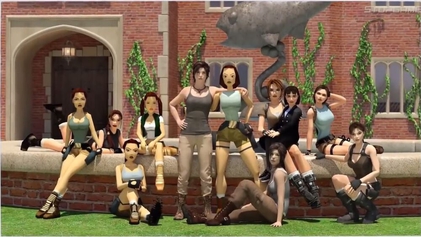


Franchise overview
The series blends exploration of ancient sites, puzzle-solving, platforming and combat. Across multiple generations of hardware and changing development teams, Tomb Raider has alternated between more puzzle-focused adventures and cinematic, survival-oriented storytelling. The character of Lara Croft has been repositioned several times to fit shifting design aims—from an acrobatic treasure hunter in early titles to a more grounded, emotionally complex survivor in modern reboots.
Development history
The franchise began under the British studio Core Design, which created the initial games and established the series' core mechanics and aesthetic. After a period of decline in critical reception, stewardship of the mainline series transferred to Crystal Dynamics, which initiated a modernisation of the franchise. Crystal Dynamics produced a series of titles that refreshed the gameplay systems and narrative approach, and later delivered a full reboot that reset Lara's origin and tone for contemporary audiences.
Notable entries and evolution
- Early entries emphasised exploratory 3D platforming and inventory-based puzzles, establishing many of the franchise's hallmarks.
- Later releases experimented with action set pieces and cinematic presentation as the series adapted to newer consoles.
- A major reboot in the 2010s reimagined Lara's origin with survival elements, more grounded combat and character-driven storytelling; subsequent sequels continued this narrative and mechanical evolution.
Gameplay elements
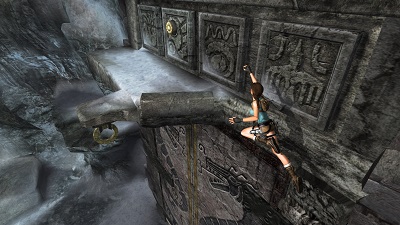
Recurring gameplay features include environmental traversal (climbing, jumping and acrobatics), puzzle-solving to access hidden areas, and combat against human antagonists and wildlife. Modern titles often add progression systems such as equipment upgrades and skill trees, and place greater emphasis on survival, resource management and cinematic pacing.
Main character and representation
At the centre of the franchise is Lara Croft, typically portrayed as an archaeologist and adventurer who explores ancient ruins and recovers artefacts while confronting threats that can escalate to global stakes. Over decades the character's visual design, personality and backstory have been revised to reflect changing audience expectations and cultural conversations about representation. Discussions about depiction, costume and marketing have been part of the franchise's reception and have influenced later redesigns.
Film adaptations and other media
Tomb Raider expanded beyond games into films, comics and novels. In the early 2000s Paramount Pictures produced feature films that brought the character to a wider cinema audience; those adaptations starred Angelina Jolie and are often cited when discussing the franchise's mainstream profile—see studio information at Paramount Pictures and film listings at film adaptations. A later cinematic reboot released in 2018 cast Alicia Vikander in the lead role and followed the more grounded origin approach of the modern games; background on that production can be found at 2018 film. The early film portrayals are associated with the actor Angelina Jolie, while the more recent portrayal is associated with Alicia Vikander.
Legacy and cultural impact
Tomb Raider helped popularise the female action hero in mainstream video games and influenced level design, cinematic cutscenes and the integration of exploration with narrative. The series has inspired merchandise and licensed products, and it remains a frequent subject of retrospective analysis regarding game design, adaptation between media, and the evolution of character representation. For a general series reference consult the franchise overview.
Notes: The franchise has continued to evolve through remasters, re-releases and new entries that aim to balance respect for the series' legacy with contemporary design practices and storytelling expectations.
Related articles
Author
AlegsaOnline.com Tomb Raider: The Video Game Franchise and Its Legacy Leandro Alegsa
URL: https://en.alegsaonline.com/art/100439
Sources
- news.bbc.co.uk : "Lara leaves UK"