
Tokyo Mew Mew (Mew Mew Power) — manga and anime magical‑girl series
Japanese manga and anime by Reiko Yoshida and Mia Ikumi about five girls who transform using endangered‑animal DNA to fight alien threats; known in English as Mew Mew Power.
Overview
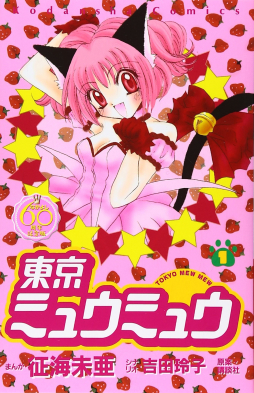
Tokyo Mew Mew is a Japanese multimedia franchise created by writer Reiko Yoshida and artist Mia Ikumi. Originally a shōjo manga, it was adapted into an animated television series and localized for English audiences under the title Mew Mew Power. The story blends the magical‑girl format with environmental themes: a team of young women gains extraordinary abilities derived from the DNA of endangered animals and uses those powers to defend Earth from alien incursions.
Image gallery
3 Images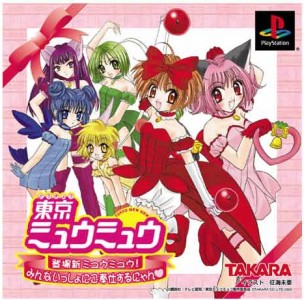

Premise and main cast
The central premise pairs adolescent coming‑of‑age drama with action. Five schoolgirls become the Tokyo Mew Mews after their DNA is combined with that of rare species, giving each a unique transformable form and special attacks. The group dynamic, romantic subplots, and school life scenes are balanced against episodic battles. Antagonists include a trio of extraterrestrial operatives—Quiche, Pie, and Tart—who deploy engineered creatures to disrupt life on Earth and, according to their scheme, to take over the planet.
Characteristics and recurring elements
- Transformation: the heroines change into enhanced combat forms often described as superwomen, complete with signature costumes and finishing moves.
- Ecology motif: each girl is linked to an endangered species, a recurring reminder of conservation themes woven into the narrative.
- Enemies: the villains create hybrid monsters called "chimera animals" that the team must neutralize before they harm civilians or nature.
Publication, broadcast, and adaptations
The manga was serialized and collected in the early 2000s; it ran in a compact span from 2000 to 2003, during which the story and artwork established the franchise's tone and characters (manga publication). An anime television adaptation aired across 2002–2003, reaching viewers through Japanese broadcasters such as TV Aichi and TV Tokyo. The animated version retained the central arc while making episodic adjustments typical of TV production (anime adaptation).
Localization and international release
The series received an English‑language release that emphasized accessibility to Western children’s television, marketed under the localized name Mew Mew Power. Localization efforts often included edited content, altered music, and dialogue changes to suit different broadcast standards and perceived audience expectations (series localization). Fans note differences between the original manga tone and some international edits, which is common for anime exported in the early 2000s.
Legacy and cultural notes
Tokyo Mew Mew is remembered as a representative entry in the magical‑girl genre of its era. Its combination of friendship, romance, and environmental messaging helped it stand out among contemporaries. The franchise also inspired merchandise, soundtrack releases, and fan communities that continue to discuss character designs, themes, and the contrast between original and localized versions (manga background, genre context).
For readers seeking primary sources or broadcast records, various databases and official pages document the creators, episodes, and publication history; the series' interplay of teenage drama and ecological concern remains a defining topic for reviews and retrospectives (environmental themes, antagonists' motives, monster design, broadcast networks).
Related articles
Author
AlegsaOnline.com Tokyo Mew Mew (Mew Mew Power) — manga and anime magical‑girl series Leandro Alegsa
URL: https://en.alegsaonline.com/art/100317