
Fantasia (1940 film)
Fantasia (1940) is an experimental animated feature from Walt Disney that pairs animated sequences with classical music, known for its innovation, Stokowski's involvement, and the Sorcerer's Apprentice.
Fantasia is a landmark American animated film produced by Walt Disney's studio and released in 1940. Rather than following a single narrative, the picture is a program of short animated segments set to preexisting orchestral works. The film sought to present classical music visually, treating each composition as inspiration for a distinct sequence of animation, imagery and mood. Its experimental approach, technical ambitions and unconventional structure set it apart from contemporary animated features.
Image gallery
10 Images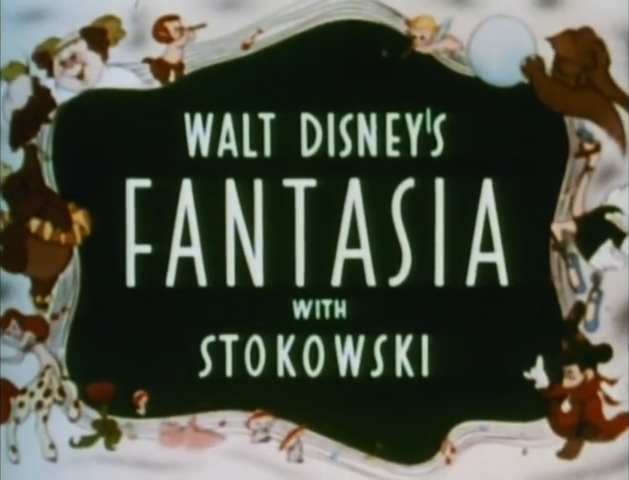


Format and notable sequences
The movie is made up of several segments, each built around a classical piece or arrangement. Among the best known are "The Sorcerer's Apprentice," which features Mickey Mouse in a magical apprentice role; an abstract visualisation of Bach's "Toccata and Fugue in D minor"; Igor Stravinsky's "The Rite of Spring," which depicts prehistoric life and the rise and fall of dinosaurs; and Mussorgsky's "Night on Bald Mountain" followed by Schubert's "Ave Maria," a sequence that moves from terror to serene resolution. Other segments include selections from Tchaikovsky's nutcracker material, Beethoven's "Pastoral" themes and Ponchielli's "Dance of the Hours," each realized with a unique visual palette and direction.
Production, music and sound
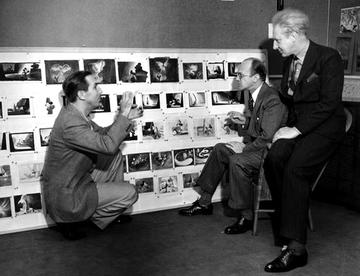
Leopold Stokowski, a prominent conductor, worked closely with the studio to arrange, conduct and record many of the musical tracks; his name is often associated with the film's sound and musical interpretation. Fantasia was also notable for its early use of stereophonic sound technology in a system called "Fantasound," which aimed to create a more immersive listening experience for audiences. The project required close coordination between animators, musicians and sound engineers to synchronize imagery and orchestral performance.
Artists experimented with abstraction, caricature, mythological figures and natural history to match the tone of each composition. The variety of styles—ranging from symbolic, non-narrative animation to character-driven storytelling—demonstrated animation's capacity to interpret music beyond conventional cartoon gags. Mickey Mouse's role in "The Sorcerer's Apprentice" became one of the film's iconic images and has had lasting cultural presence.
Reception, legacy and controversies
At the time of release the film received mixed reviews and performed unevenly at the box office, partly because of its high production costs and its unconventional nature. Over decades its reputation has grown and it is frequently cited as an ambitious milestone in both animation and film sound. Some sequences and character portrayals have been criticized for racial stereotyping or dated depictions; these concerns have led to edits and contextual notes in later re-releases. Fantasia's influence continued with later projects such as the 1999 anthology Fantasia 2000 and ongoing restorations that preserve its audio-visual innovations.
- Production history and credits
- Walt Disney studio information
- Distribution and release notes
- Earlier Disney feature context
- Subsequent Disney releases
- Classical music selections
- Composer Igor Stravinsky
- The Rite of Spring (segment)
- Themes of life and natural history in animation
- Johann Sebastian Bach reference
- Toccata and Fugue sequence
- Musical instruments and orchestration notes
- Fantasia 2000 and later follow-ups
For readers seeking further detail, consult music histories, animation studies and archival materials that examine Fantasia's score preparation, the Fantasound experiments, and the film's restoration record. The picture remains a frequent subject of scholarly interest for its blending of high art and popular animation, for its early experiments in immersive audio, and for the ways it both reflected and influenced 20th-century attitudes toward classical music on screen.
Related articles
Author
AlegsaOnline.com Fantasia (1940 film) Leandro Alegsa
URL: https://en.alegsaonline.com/art/33487