
Tiryns: Ancient Mycenaean Acropolis in the Peloponnese
Tiryns is a prominent Late Bronze Age acropolis near Nauplion in the Peloponnese, noted for its massive 'Cyclopean' walls, Mycenaean palace remains, and designation as a UNESCO World Heritage Site.
Overview
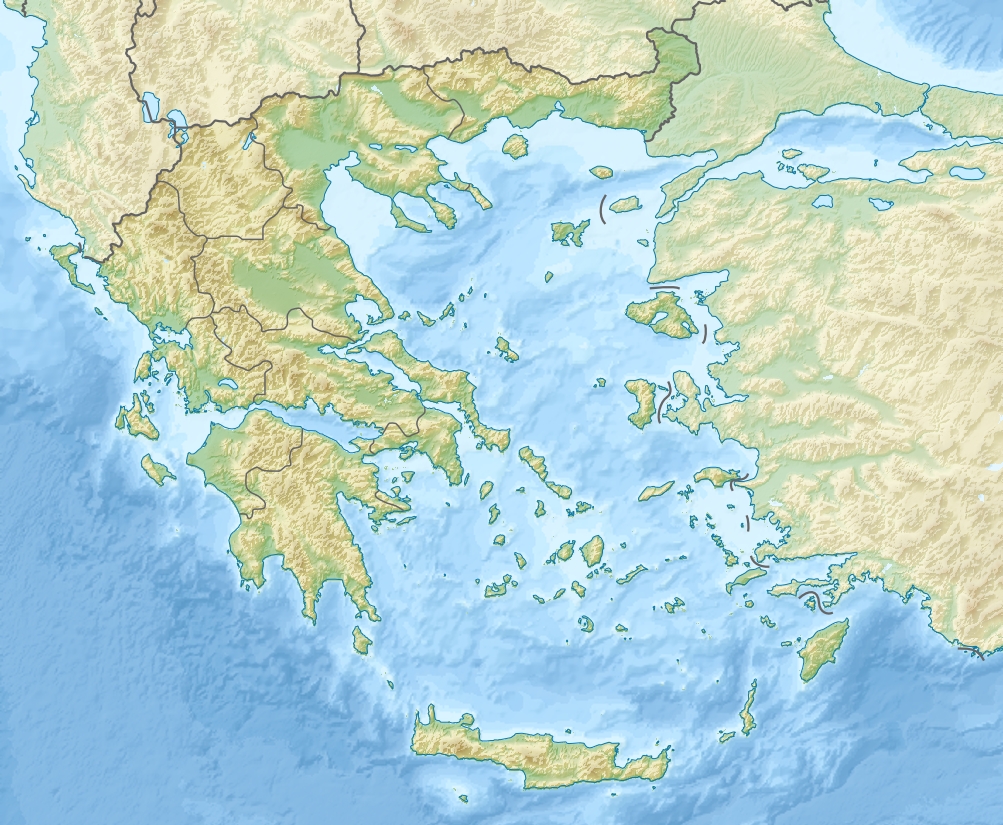
Tiryns (Ancient Greek: ἡ Τίρυνς) is an archaeological site centered on a fortified acropolis and the remains of a Bronze Age settlement. Situated on a rocky hill in the eastern Peloponnese, it lies a short distance from the modern town of Nauplion and within the modern state of Greece. In ancient sources Tiryns is known both as a fortified acropolis and as an urban center or city with palace structures and defensive works.
Image gallery
9 Images


Architecture and principal features
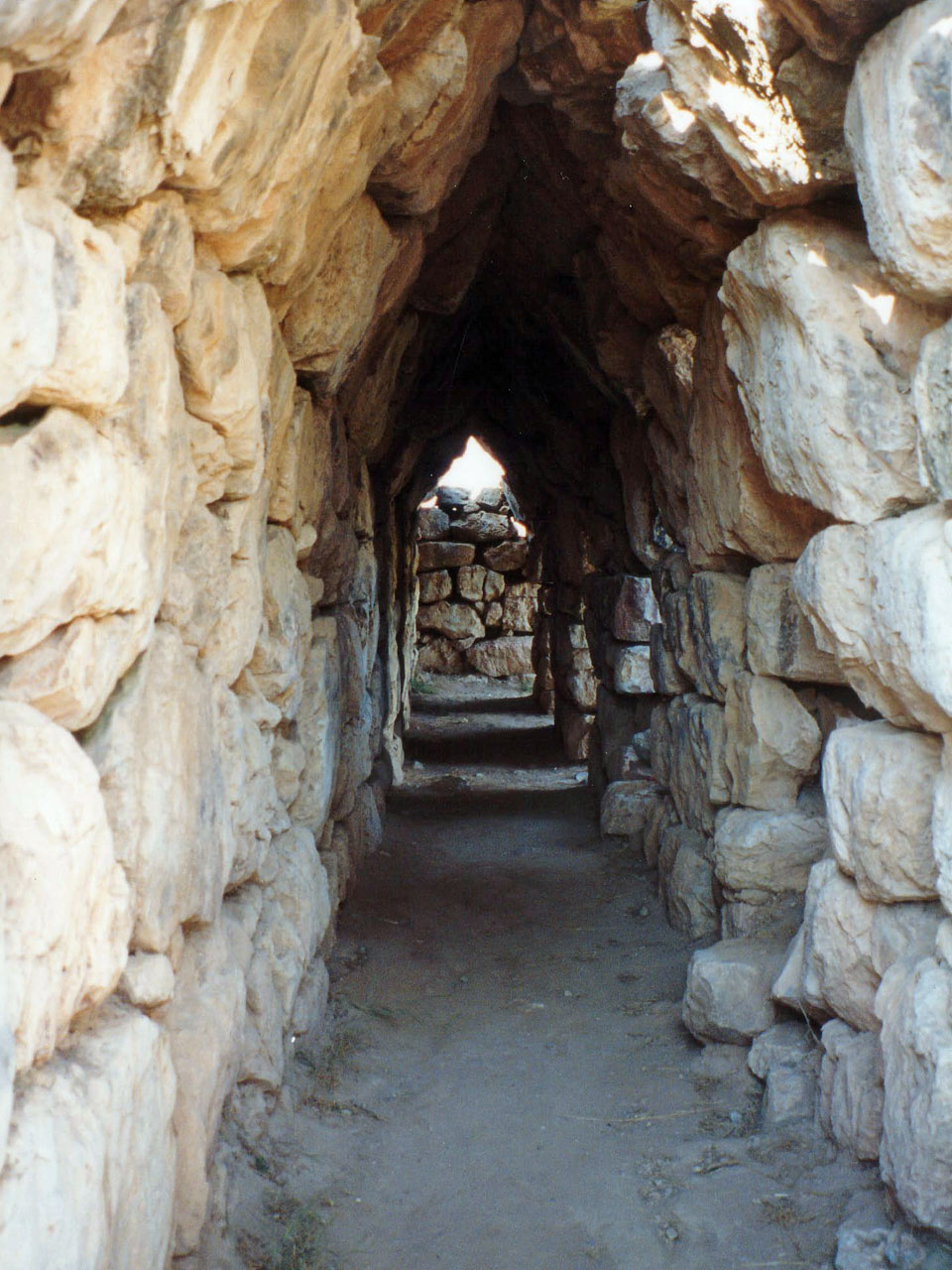
The site is best known for its monumental stone fortifications, often called "Cyclopean" because later Greeks imagined such enormous blocks could only have been moved by giants. Inside the walls are remains of a palace complex with a central megaron (a large reception hall), service rooms, storerooms and an entrance circuit of corridors and galleries. These elements illustrate the administrative and ceremonial functions of Mycenaean centers during the Late Bronze Age.
History and excavation
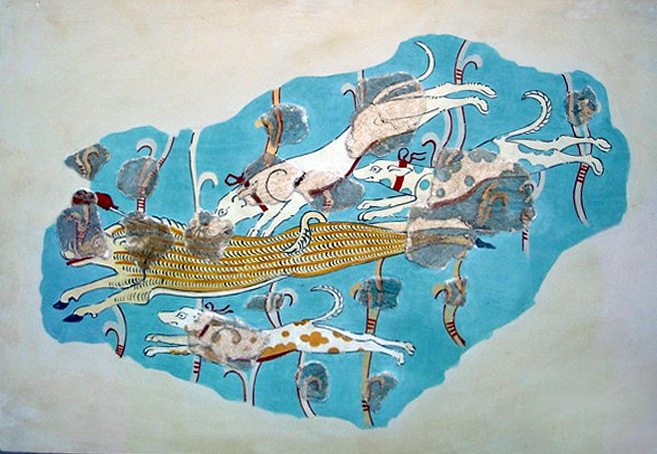
Tiryns reached its height in the Mycenaean period (roughly 1600–1100 BCE) and is associated with the broader cultural and political networks of mainland Greece in that era. Systematic excavation began in the 19th century: the site was excavated by Heinrich Schliemann in 1885–1886, and later work by other archaeologists clarified its plan, chronology and material culture. Finds at Tiryns contribute to our understanding of Mycenaean administration, craft production and burial practices.
Archaeology, conservation and recognition
Today Tiryns is a protected archaeological area and a subject of ongoing conservation efforts. The site's importance for the study of the Bronze Age, and its well-preserved fortifications and palace remains, led to its inclusion with Mycenae on the World Heritage Site list administered by UNESCO. Conservation challenges include stabilizing ancient masonry, managing visitor impact and protecting the surrounding landscape.
Significance and visitor information
Tiryns is valued for both its archaeological information and its role in Greek cultural memory: it illustrates the complexity of Mycenaean palatial centers and appears in later Greek traditions and myth. Visitors typically see the circuit of massive walls, the raised palace area and traces of interior rooms; interpretive panels and guidebooks place the site in the wider context of Mycenaean civilization and the archaeological sites of the Peloponnese.
Key elements
- Cyclopean fortification walls and gate complex
- Palace with megaron and subsidiary rooms
- Galleries and service areas illustrating administrative layout
- Relationship with nearby Mycenaean centers and later historical references
For further background and practical details consult specialized summaries and local visitor resources: introductions to the site, regional guides and archaeological reports provide the most reliable information for students and travelers to the Peloponnese.
Related articles
Author
AlegsaOnline.com Tiryns: Ancient Mycenaean Acropolis in the Peloponnese Leandro Alegsa
URL: https://en.alegsaonline.com/art/100091
Sources
- artflx.uchicago.edu : "Woodhouse's English-Greek Dictionary"
- whc.unesco.org : "Archaeological Sites of Mycenae and Tiryns"