
Tin(IV) oxide (tin dioxide): properties, occurrence and applications
Tin(IV) oxide (SnO2), also called tin dioxide or stannic oxide, is a white inorganic compound used as an ore of tin, a polishing agent, a gas-sensing semiconductor and a transparent conductive oxide.
Overview
Tin(IV) oxide is an inorganic compound with the formula SnO2. It contains tin in the +4 oxidation state combined with oxide anions and is often called tin dioxide or stannic oxide. The mineral form, cassiterite, is the principal ore of tin and has been important historically for producing metallic tin.
Image gallery
3 Images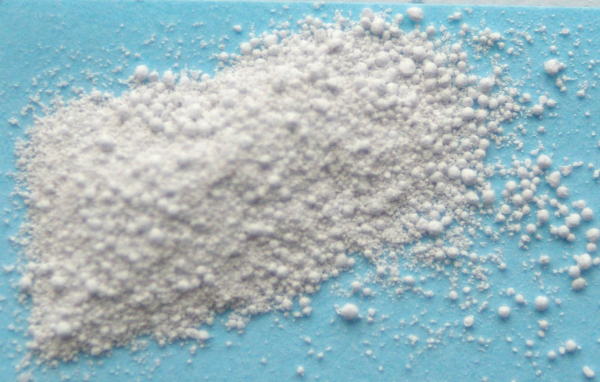

Characteristics
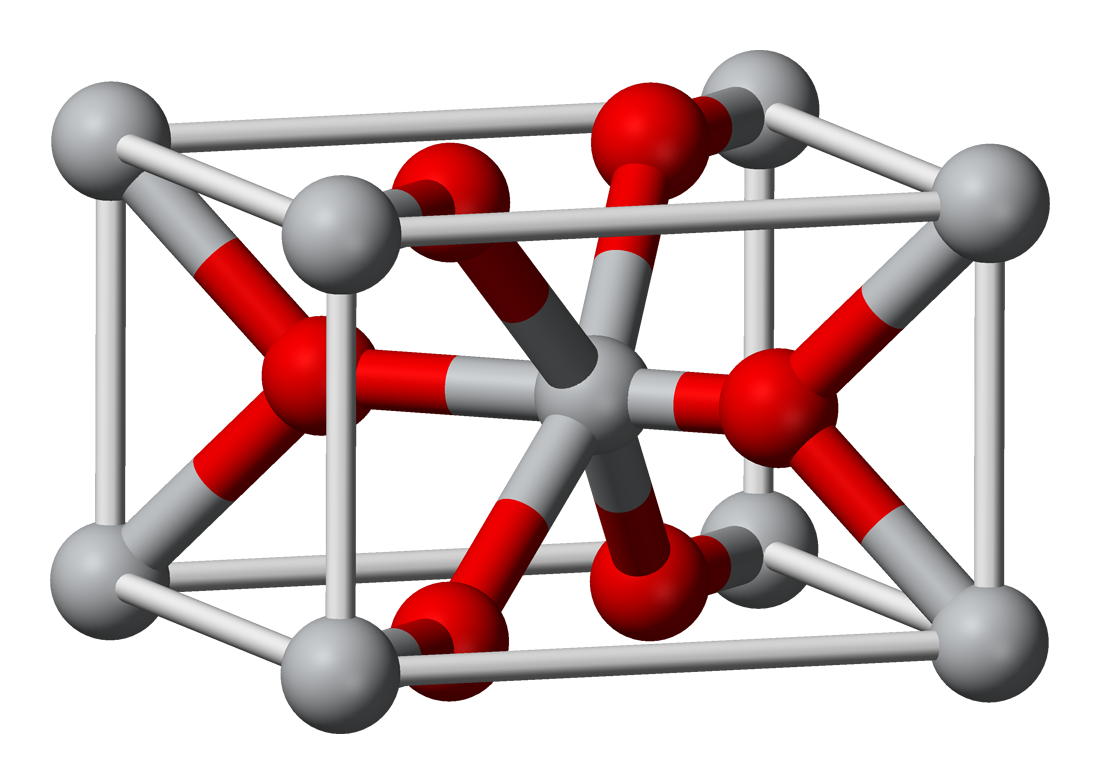
SnO2 is typically a white to off-white powder with a crystalline rutile-type structure. It is chemically robust and insoluble in water, but behaves as an amphoteric oxide: it reacts with strong acids and with strong bases to form soluble tin-containing species. As a solid it is a wide-bandgap, n-type semiconductor — electrical conductivity arises mainly from oxygen vacancies.
Production and history
The oxide occurs naturally as cassiterite and has been recognized since antiquity as the source of tin metal. Industrially it can be obtained by oxidizing tin metal or by thermal decomposition and hydrolysis of tin salts. Over time its uses expanded from ore processing and polishing to modern electronic and catalytic roles.
Uses and applications
- Polishing: a fine grade of SnO2 has been used as a glass and metal polish (sometimes called putty powder).
- Electronics: doped SnO2 (for example fluorine-doped tin oxide) forms a transparent, electrically conductive coating used in solar cells and display technology.
- Gas sensors: thin films of SnO2 change conductivity on exposure to reducing or oxidizing gases and are widely used in gas-detection devices.
- Ceramics and catalysts: it appears in glazes and as a component or support in catalytic materials.
Notable facts and safety
SnO2 is the chief ore of tin and an economically important mineral. It is chemically stable, but as a fine dust it can be an inhalation hazard; standard industrial hygiene precautions apply. For introductory reading on related chemical concepts see chemical compound, information about tin ions at tin ions, and general oxide behavior at oxide chemistry. For material applications consult resources on transparent conductive oxides TCO and semiconductor gas sensors gas sensors.
Related articles
Author
AlegsaOnline.com Tin(IV) oxide (tin dioxide): properties, occurrence and applications Leandro Alegsa
URL: https://en.alegsaonline.com/art/100025