
Tin(IV) chloride (stannic chloride)
Tin(IV) chloride, SnCl4, is a volatile molecular tin compound used as a Lewis acid and precursor to organotin compounds, tin oxides and other tin-containing materials; it hydrolyzes to give corrosive HCl.
Tin(IV) chloride, commonly called stannic chloride, is the covalent tin halide with the formula SnCl4. It is a molecular liquid in which tin has the +4 oxidation state and is bonded to four chloride atoms. Tin(IV) chloride should not be confused with tin dioxide (SnO2), which is an oxide rather than a chloride. For a general overview of the compound see SnCl4 overview.
Image gallery
4 Images
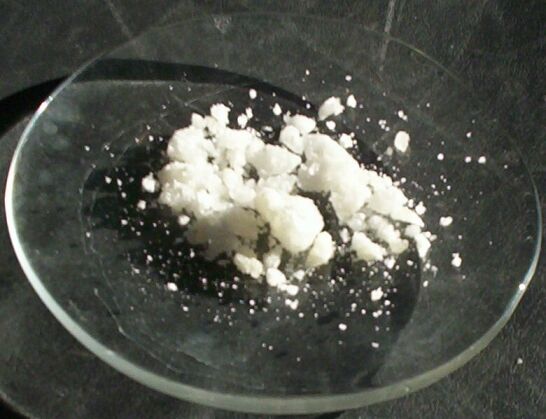
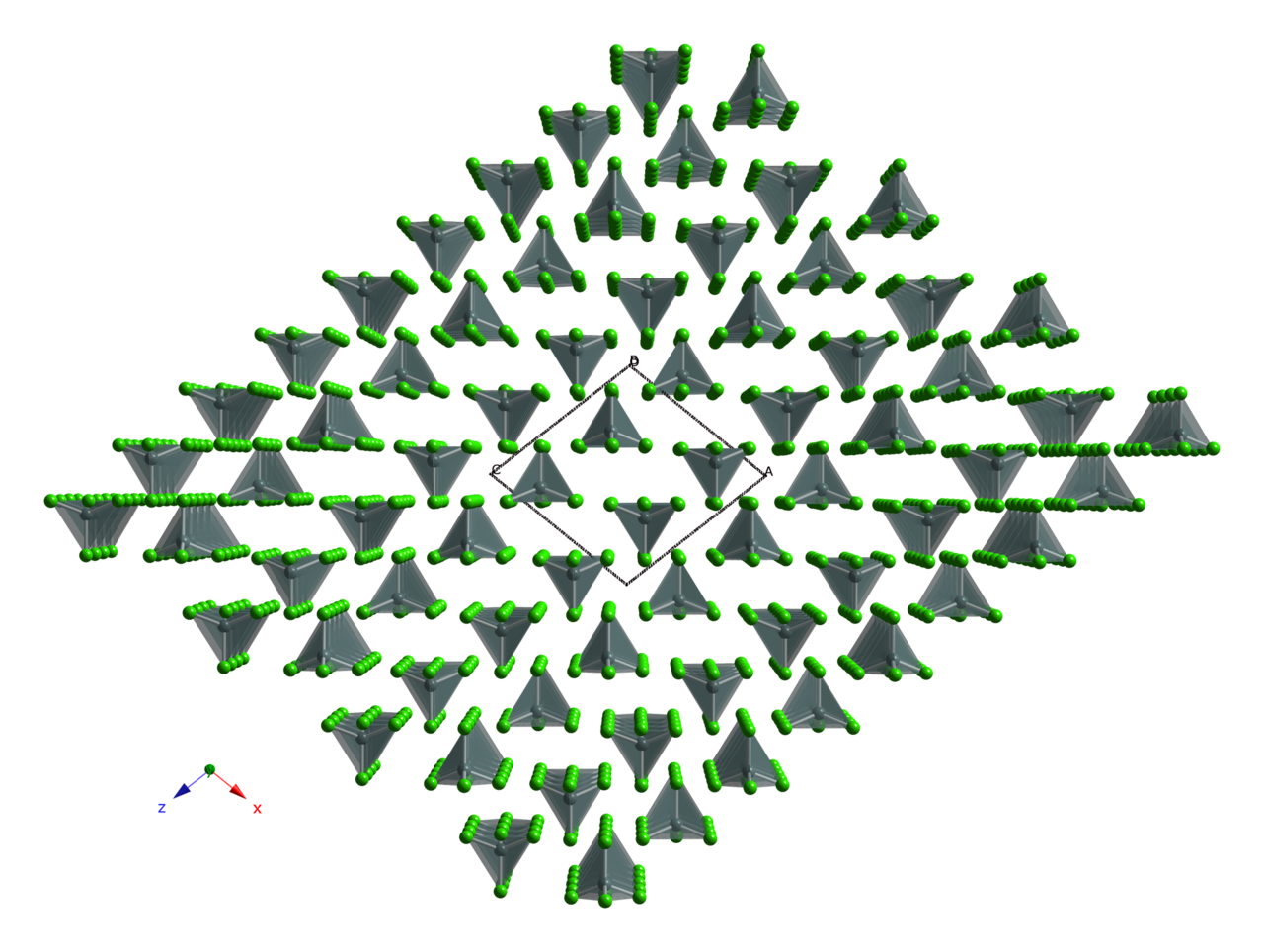

Structure and chemical behaviour
In the monomeric form SnCl4 has a roughly tetrahedral arrangement of chlorine atoms around the central tin atom. It is moderately volatile, reacts readily with water and is hygroscopic; hydrolysis produces hydrogen chloride gas and hydrated tin oxides or stannic acid. As a consequence of its empty acceptor orbitals on tin, SnCl4 behaves as a strong Lewis acid and forms adducts and coordination complexes with a variety of ligands and with excess chloride, producing species such as hexachlorostannate salts. Learn more about its bonding and complexes at chemical properties.
Preparation and historical notes
Industrially, tin(IV) chloride has been prepared by direct chlorination of metallic tin or by chlorinating other tin precursors under controlled conditions. The name stannic derives from Latin "stannum" for tin and denotes the +4 oxidation state in older nomenclature. Its use expanded with developments in inorganic and organometallic chemistry as a convenient tin(IV) source; for background on its historical development see history and synthesis.
Uses and applications
SnCl4 is an important intermediate in inorganic and organic synthesis. Typical applications include:
- Preparation of organotin reagents and compounds by reaction with carbon nucleophiles or organometallic reagents.
- Serving as a Lewis acid catalyst in organic transformations such as Friedel–Crafts reactions and other electrophilic substitutions.
- Production of tin oxide materials and stannic acid by controlled hydrolysis, useful in coatings, catalysts and ceramic materials.
- Use as a precursor in some metallurgical and chemical processes that require a soluble tin(IV) source.
Practical examples and industrial roles are summarized at applications of tin(IV) chloride.
Handling, hazards and distinctions
Tin(IV) chloride is corrosive and can produce dense hydrochloric acid fumes on contact with moisture or water; it can irritate or damage skin, eyes and the respiratory tract. Safe handling requires dry storage, use of a fume hood, gloves and eye protection. It is chemically distinct from tin(II) chloride (SnCl2), which contains tin in the +2 state and behaves as a reducing agent, and from tin oxides such as SnO2, which are solids. For safety data and recommended precautions see safety information.
Notable chemical behavior includes its role as a versatile Lewis acid and its tendency to form coordination complexes and salts with halide or other anions; these properties make SnCl4 a useful reagent in both research and certain manufacturing contexts.
Related articles
Author
AlegsaOnline.com Tin(IV) chloride (stannic chloride) Leandro Alegsa
URL: https://en.alegsaonline.com/art/100022