
Thuringian Forest
A low mountain range and large woodland region in central Germany, the Thuringian Forest is known for its ridges, mixed forests, historic trail the Rennsteig, and cultural towns like Eisenach and Oberhof.
Overview
The Thuringian Forest (German: Thüringer Wald) is a band of wooded highlands in central Germany, located within the federal state of Thuringia. The belt of hills stretches roughly 120 km from southwest to northeast and reaches about 35 km at its widest. Its highest point is the Großer Beerberg, rising to 982 m above sea level. The region forms a distinct landscape of ridge crests, valleys and plateaus that has shaped local settlement and recreation for centuries.
Image gallery
10 Images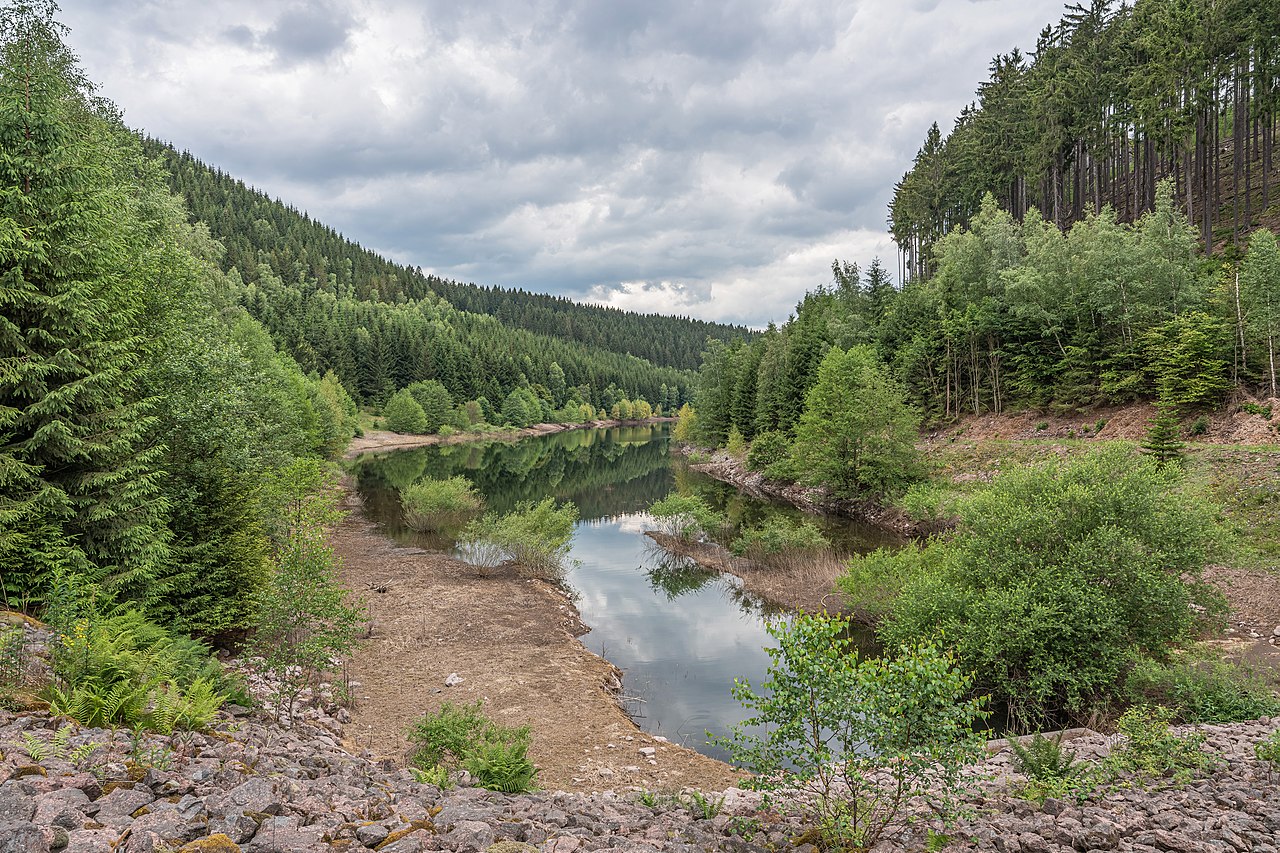


Geography and geology
The Thuringian Forest is a low mountain range of metamorphic and volcanic rocks capped by upland plateaus. A long historic ridgeway, the Rennsteig, follows the crest and traditionally marked territorial boundaries and a watershed. Slopes give way to cultivated foothills and river valleys that connect the forest to surrounding lowlands.
Natural features and biodiversity
Vegetation is dominated by mixed stands of beech, spruce and fir, with heath and peatland habitats on higher moors. Wildlife includes deer, wild boar and a variety of bird species, while streams and wetlands support amphibians and invertebrates. Much of the area is managed as forest, nature parks and protected reserves to balance timber production, conservation and recreation.
Human uses and cultural importance
Historically the forest supported glassmaking, ironworking and forestry; towns such as Eisenach and Oberhof grew on its margins. Today it is a popular destination for hiking, cross-country skiing and mountain biking. The Rennsteig long-distance trail, regional spas and winter-sport facilities draw visitors year-round.
Notable facts
- Highest summit: Großer Beerberg (982 m).
- The Rennsteig ridgeway is a well-known historic route across the range.
- The area contains nature parks and protected forests balancing conservation with tourism.
Related articles
Author
AlegsaOnline.com Thuringian Forest Leandro Alegsa
URL: https://en.alegsaonline.com/art/99720