
Thomas Bibb (1783–1839) — Acting Governor of Alabama
Thomas Bibb served as Alabama's acting governor (1820–1821) after his brother's death. Legislator, bank director, and early state leader who helped maintain continuity during Alabama’s formative years.
Overview
Thomas Bibb (May 8, 1783 – September 20, 1839) was an American politician who served as the second governor of Alabama in an acting capacity. Born in Amelia County, Virginia, he became an active participant in the politics and public life of the new state. Bibb is most widely noted for succeeding his brother, William Wyatt Bibb, after the latter died in office, and for providing administrative continuity during a sensitive early period of Alabama statehood.
Image gallery
1 Image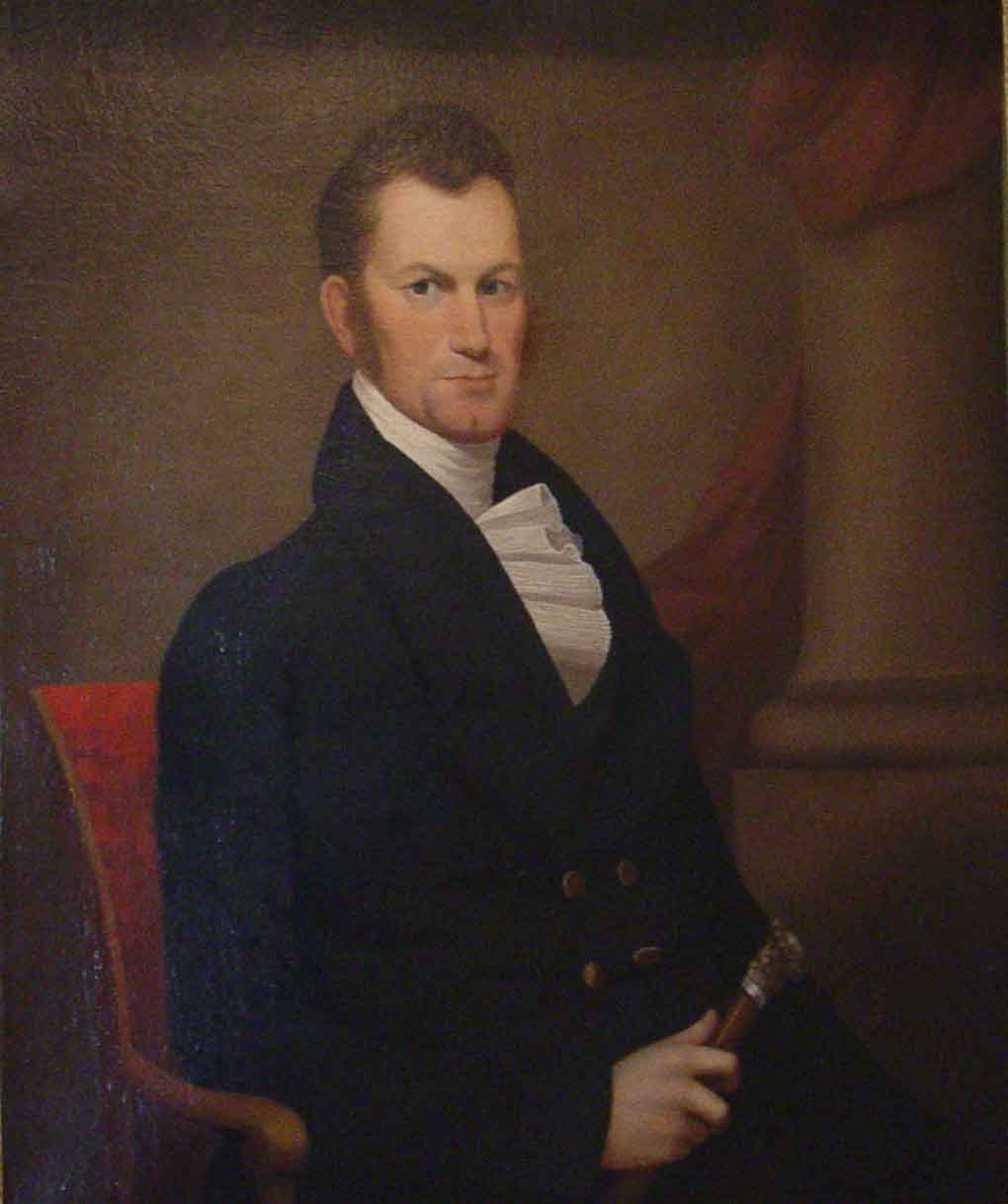
Early life and move to Alabama
Details of Bibb’s early years are limited in broad reference works, but his family background and connections contributed to his public career. Like several contemporaries, he moved from Virginia to the southern frontier region that became Alabama as opportunities for landholding and public service expanded. He married Parmelia Thompson and was part of a family network that included several men who held public office in the region.
Role in the state senate and succession
By 1820 Thomas Bibb was serving as president of the Alabama Senate. When his brother, the sitting governor, died on July 10, 1820, the provisions of the state constitution in force at the time specified the line of succession in which the senate president stepped into the executive role. In accordance with that provision, he took over the remainder of his brother’s term and served as acting governor from July 25, 1820 to November 25, 1821.
Tenure as acting governor
Bibb’s term was comparatively brief and is generally characterized by historians as a caretaker administration. His responsibilities focused on maintaining government functions, supervising routine administration, and ensuring an orderly transition to the next elected governor. Contemporary records indicate he did not seek election to a full gubernatorial term; instead, he prioritized institutional stability over partisan ambition during the early years of state government.
Later political and civic activity
After leaving the governorship Bibb remained engaged in public affairs. He later served in the Alabama House of Representatives in 1828 and 1829, indicating continued involvement in state and local issues. In addition to legislative work, he held roles in the financial sector: he was a director of the Alabama State Bank’s Huntsville branch, connecting him to the early banking and economic development efforts in northern Alabama.
Personal life, death, and legacy
Thomas Bibb’s public career reflected the overlapping civic, political, and economic roles common among early 19th-century state leaders. He died in 1839. While not a transformative governor, he is remembered for the constitutional succession that brought him to the state’s highest office and for providing continuity at a formative moment. Discussions of Alabama’s early constitutional practice and the practical challenges of governing newly admitted states often cite his service as an example of how routine constitutional mechanisms were applied in practice.
Historical context and significance
Bibb’s service should be read in the context of a rapidly growing United States in which new states were adopting constitutions, building institutions, and integrating diverse populations. Short, caretaker administrations like his helped to maintain legal authority and administrative order while political processes matured. For students of early Alabama history, his career illustrates the pragmatic arrangements that supported governance during westward expansion and settlement.
Further reading: General state histories and archival collections provide additional information on the Bibb family and Alabama’s early government. For primary records and legislative journals from Bibb’s era consult state archives and historical societies.
Related articles
Author
AlegsaOnline.com Thomas Bibb (1783–1839) — Acting Governor of Alabama Leandro Alegsa
URL: https://en.alegsaonline.com/art/99482
Sources
- commons.wikimedia.org : Thomas Bibb
- huntsvillehistorycollection.org : "Person:Thomas Bibb"
- archives.state.al.us : "Thomas Bibb"
- nga.org : "Alabama Governor Thomas Bibb"