
Thomas Carlyle: Scottish essayist, historian and Victorian public thinker
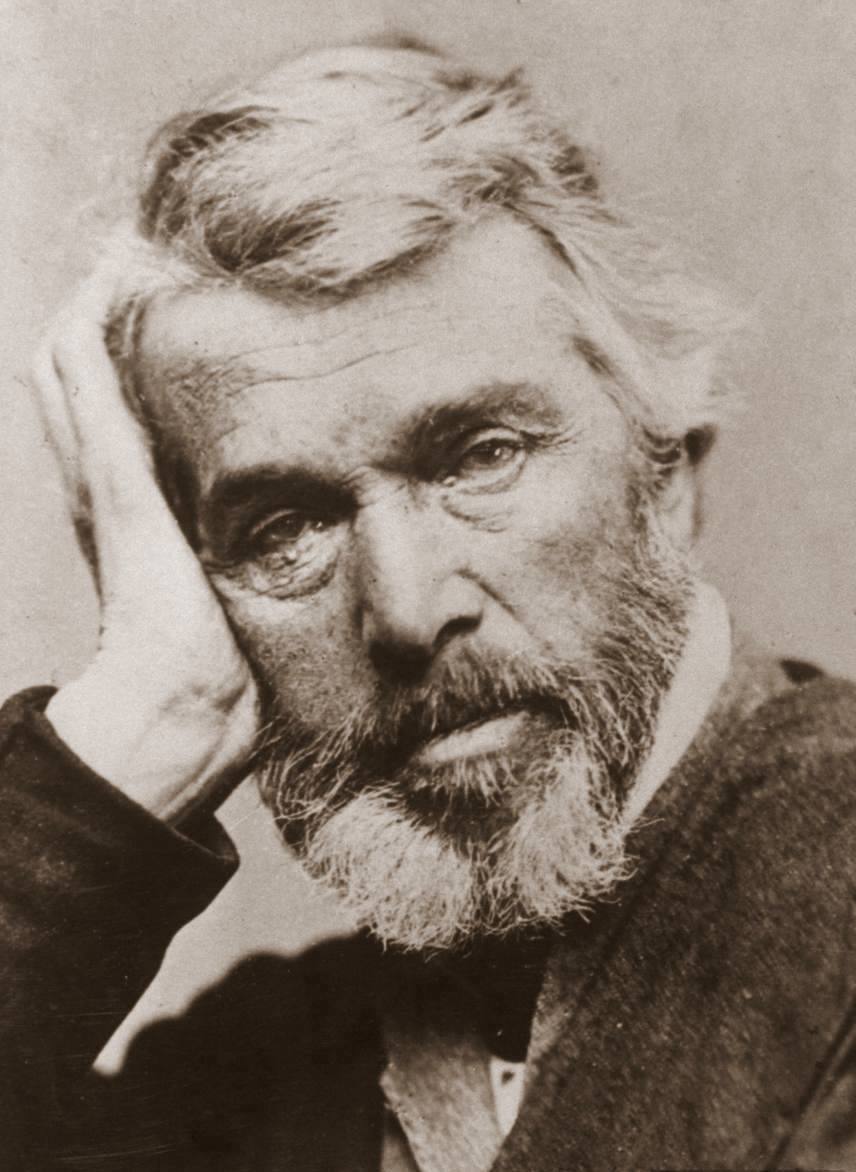
Thomas Carlyle (1795–1881), a Scottish-born writer and historian, shaped Victorian debates with works like Sartor Resartus and The French Revolution and promoted the 'Great Man' view of history.
Thomas Carlyle (1795–1881) was a Scottish-born intellectual whose essays, histories and lectures made him a prominent voice in nineteenth-century Britain. Often called the "Sage of Chelsea," he spent much of his later life in London and became known as a forceful stylist and polemicist. His reputation rests on a combination of literary originality, historical narrative and strong judgments about leadership, society and morality. Biographical summaries commonly emphasize both his literary gifts and his controversial opinions.
Image gallery
10 Images


Style and themes
Carlyle's prose is distinctive for its rhetorical vigor, aphoristic passages and sometimes prophetic tone. He criticized the mechanizing effects of industrial capitalism, attacked materialism and utilitarianism, and argued that history is shaped by exceptional individuals rather than by abstract social forces. That emphasis later became known as the "Great Man" theory of history. At the same time Carlyle urged moral seriousness and spiritual renewal in public life.
Major works
- Sartor Resartus (1833–34) — a philosophical novel and satire on ideas of fashion, philosophy and selfhood.
- The French Revolution: A History (1837) — an influential, dramatic account praised for narrative power.
- On Heroes, Hero-Worship, and the Heroic in History (1841) — lectures on leadership and greatness.
- History of Friedrich II of Prussia — a long biographical history that shaped his later reputation as a historian.
Carlyle's life began in Dumfriesshire and included study at the University of Edinburgh, school teaching, a deep engagement with German literature (he translated and promoted Goethe) and a celebrated marriage to Jane Welsh Carlyle. He settled in Chelsea, London, where his house later became a site of literary pilgrimage; visitors still consult museums and collections that preserve his papers and rooms. For information about places connected to his life see local guides to London and Chelsea here and research resources here.
Legacy and controversy: Carlyle influenced writers, politicians and reformers in Britain and abroad, and he helped shape Victorian debates over progress, authority and moral responsibility. He was admired for moral seriousness and literary skill but also criticized for anti-democratic tendencies and several essays that express racial and authoritarian ideas. His complex legacy is therefore judged both for literary achievement and for political implications.
Notable distinctions include the enduring influence of Sartor Resartus on modern literature, Carlyle's vivid historical storytelling, and his role in promoting the study of German thought in Britain. Readers interested in Victorian intellectual history will find Carlyle an essential, if sometimes unsettling, figure.
Related articles
Author
AlegsaOnline.com Thomas Carlyle: Scottish essayist, historian and Victorian public thinker Leandro Alegsa
URL: https://en.alegsaonline.com/art/99484