
Huntsville, Alabama — overview, history, economy and institutions
Huntsville is a city in northern Alabama known for aerospace and defense sectors, historic districts, technology-driven growth and a metropolitan region spanning Madison and Limestone counties.
Overview: Huntsville is a city in the northern part of the U.S. state Alabama. It lies primarily in Madison County and extends westward into Limestone County. Huntsville serves as the county seat of Madison County and anchors a growing metropolitan area. Population figures reported around the turn of the 21st century and in later estimates document substantial growth; earlier counts showed roughly 158,000 residents with later estimates approaching higher totals, and regional demographics are tracked in official population estimates.
Image gallery
10 Images


Geography and urban form
Huntsville occupies a landscape of ridges and valleys north of the Tennessee River. The city's footprint is large compared with many other Alabama municipalities, with a mix of older neighborhoods and newer suburban and business corridors. Green spaces, riverfront parks and trails have been developed alongside industrial and research campuses, shaping a varied urban character.
History
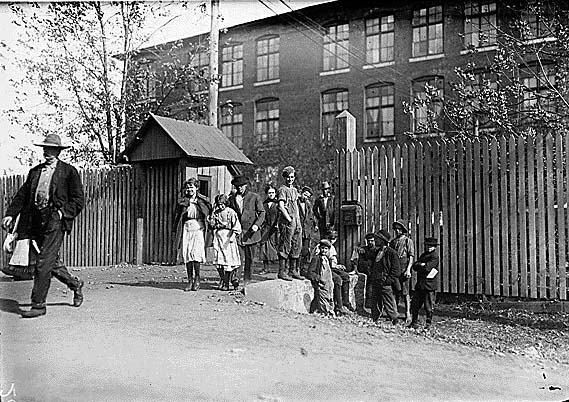
The first permanent settler in the area was John Hunt in the early 1800s; the community was briefly named Twickenham before being renamed Huntsville in 1811. During the 19th and early 20th centuries the local economy included agriculture, textile manufacturing and related industries. Textile mills and, in the 20th century, munitions production provided employment and influenced settlement patterns; these aspects of the city's past are part of its broader industrial history.
Science, defense and institutions
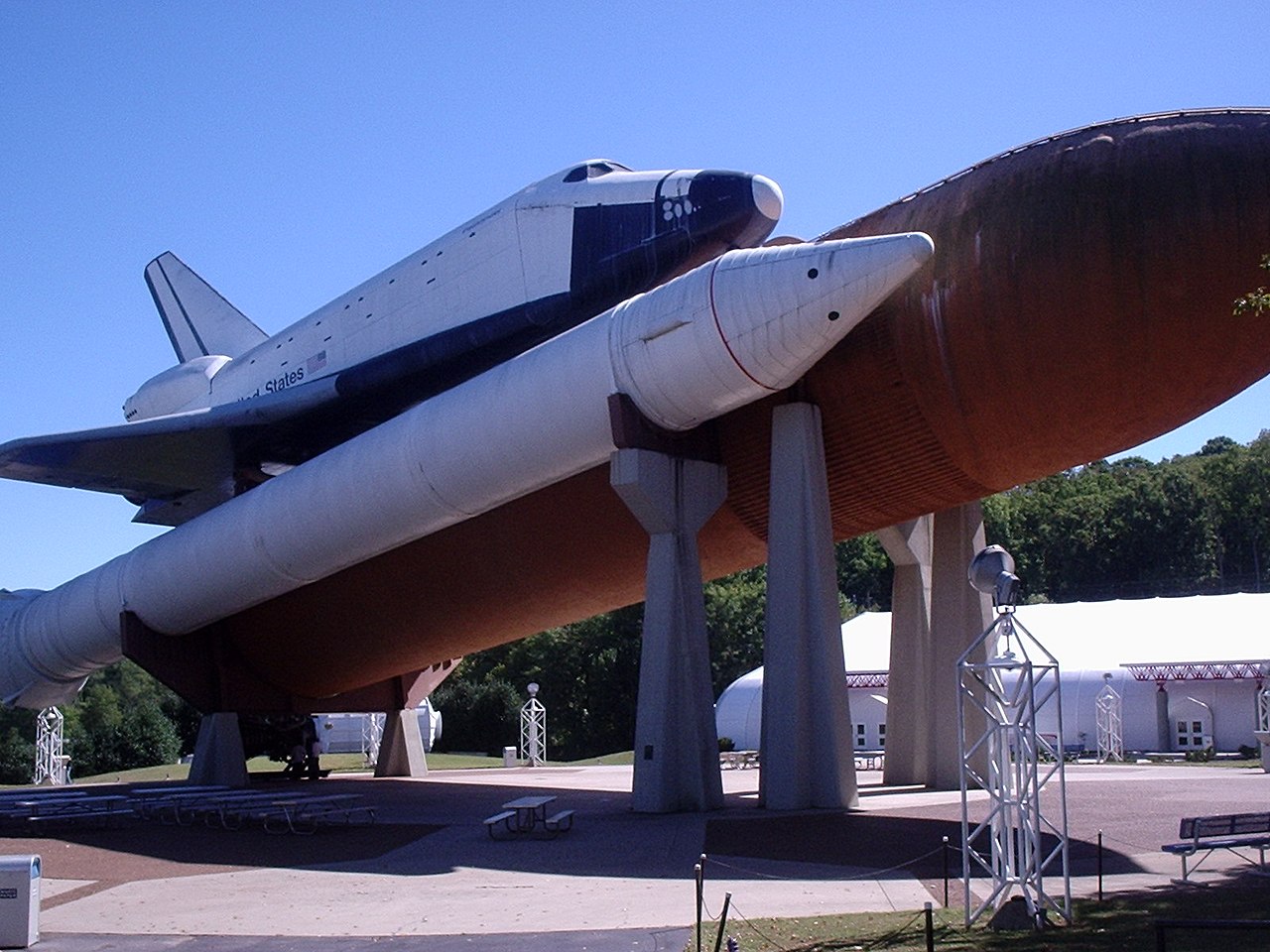
Huntsville is widely known for its connections to aerospace and defense. The city is home to NASA's Marshall Space Flight Center and is adjacent to Redstone Arsenal, a major U.S. Army installation that supports missile, aviation and research programs. These federal facilities have attracted private contractors, research laboratories and a concentration of STEM professionals, contributing to a technology-oriented economy and numerous partnerships with universities and industry.
Economy and development
The modern economy blends government-sponsored research, defense contracting, aerospace, information technology and advanced manufacturing. Downtown and nearby districts have seen investment in cultural venues, hospitality and mixed-use projects, while suburban corridors host corporate offices and research parks. Local leaders balance growth with efforts to preserve historic neighborhoods and manage transportation and housing demand.
Culture, education and recreation
Cultural resources include museums that interpret the city's role in spaceflight and technology, performing arts venues, and annual community festivals. Higher education institutions and technical schools support workforce development and research collaborations. Public parks, riverfront trails and conservation areas provide outdoor recreation opportunities for residents and visitors.
Notable recognition and planning
Huntsville has been noted for distinctive local character by national preservation organizations and for its role as a center of aerospace and defense development. Municipal and regional planning efforts address transportation, land use and economic diversification; official portals, state resources and county archives offer detailed planning documents and local history (state resources). For current visitor information and services consult municipal tourism pages, historical societies and university outreach programs.
- Regional leadership in rocketry, space systems and defense-related research.
- A mix of historic districts and contemporary technology campuses.
- Ongoing growth that raises priorities for housing, transit and historic preservation.
For further reading, municipal sites and regional planning documents provide updated statistics and program details; consult county offices, local historical organizations and federal agency pages for authoritative reports and visitor information (regional), (demographics) and (geography). Additional materials on industrial heritage and community programs are available through local archives and educational institutions (industry) and NASA-affiliated resources (agency).
Questions and answers
Q: Where is Huntsville located?
A: Huntsville is located in the north of the U.S. state of Alabama.
Q: What counties is Huntsville in?
A: Huntsville is in Madison County and extends west into Limestone County.
Q: What is the population of Huntsville?
A: According to the 2000 census, Huntsville had a population of 158,216 people. In 2009, the population grew to 179,653.
Q: What is the population of the Huntsville Metropolitan Area?
A: The population of the Huntsville Metropolitan Area was estimated at 406,316 people.
Q: What is the largest city in Alabama by area?
A: Huntsville is the largest city in Alabama by area.
Q: What are some notable institutions in Huntsville?
A: NASA's Marshall Space Flight Center and the United States Army Aviation and Missile Command at the Redstone Arsenal are located in Huntsville.
Q: What award did Huntsville receive?
A: The National Trust for Historic Preservation named Huntsville to its "America's Dozen Distinctive Destinations for 2010" list.
Related articles
Author
AlegsaOnline.com Huntsville, Alabama — overview, history, economy and institutions Leandro Alegsa
URL: https://en.alegsaonline.com/art/45792
Sources
- commons.wikimedia.org : Huntsville, Alabama
- cityblog.huntsvilleal.gov : "City Limits: Explaining the annexation process"
- books.google.com : "An Act directing Courts to be held in the County of Madison, &c.—Passed December 23, 1809(...)Sec 2. And be it further enacted. That the town so laid out shall be known by the name Twickenham." (Google Books)
- books.google.com : "An Act to Incorporate the Town of Huntsville, Madison County —Passed December 9, 1811." (Google Books) · archive.org
- www2.census.gov : "2016 U.S. Gazetteer Files"
- al.com : "Census shows Huntsville metro still growing rapidly, now state's No. 2"
- naco.org : "Find a County"
- history.msfc.nasa.gov : NASA MSFC Notes on the History of Huntsville
- blog.al.com : "Huntsville on the list of 'Distinctive Destinations' for 2010"
- helionlodge.org : Helion Lodge #1, Huntsville, Alabama
- redstone.army.mil : Redstone Arsenal Complex Chronology: The Pre-Missile Era, 1941
- redstone.army.mil : Redstone Arsenal Complex Chronology: The Pre-Missile Era, 1949