
Beauty and the Beast (musical)
Stage musical adaptation combining the 18th‑century fairy tale and the 1991 Disney animated film; music by Alan Menken, book by Linda Woolverton, lyrics by Howard Ashman and Tim Rice.
Overview
Beauty and the Beast is a stage musical that adapts the classic fairy tale by Madame Leprince de Beaumont and the 1991 Disney animated film into a full‑length theatrical production. The show keeps the central love story between Belle and the Beast while enlarging scenes, characters and musical material for the stage. It is commonly staged by professional companies, regional theatres and touring troupes and is known for its family appeal and spectacle.
Image gallery
8 Images


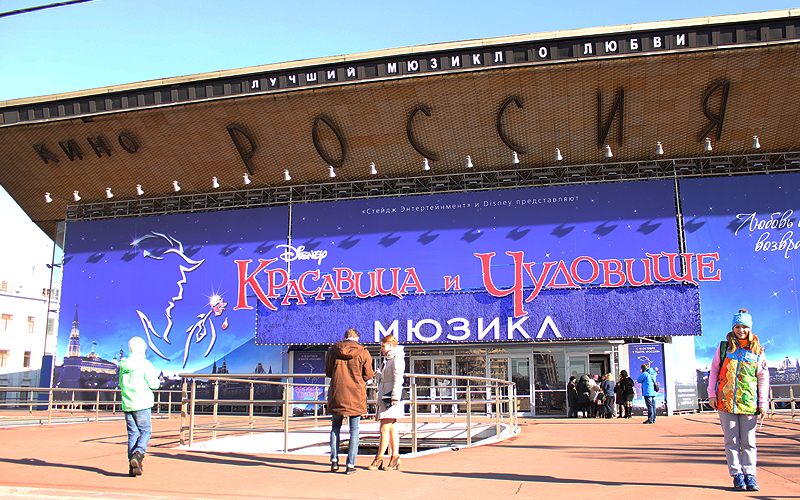

Creators and score
The musical's spoken book was written by Linda Woolverton. The score is by Alan Menken, with lyrics originally by Howard Ashman and additional lyrics completed by Tim Rice. For more on the tale that inspired the piece see the original fairy tale, and for the film source see the 1991 animated feature Beauty and the Beast. The collaboration between Menken, Ashman and Rice extended the film's songs and added new numbers written specifically for theatrical performance; for context on the lyricists see credits for Howard Ashman and Tim Rice.
Production history
The musical premiered on Broadway in the mid‑1990s and later opened in London's West End. The Broadway debut established the production as a major commercial success and it spawned national and international tours. For details about the Broadway launch see Broadway production information and for the West End opening see West End production information.
Characteristics and staging
Key features of the stage version include an expanded orchestral score, new songs written for the principal characters, elaborate costumes and large‑scale scenic effects. The production frequently uses puppetry and inventive costume design to transform household objects into talking characters without relying on film special effects. Typical staging elements include rotating stages, period costume fabrics and lighting that emphasizes romantic tableaux.
Principal roles and plot
- Belle — the intelligent, curious heroine who longs for more than provincial life.
- The Beast — a cursed prince whose transformation depends on learning to love.
- Gaston — the boastful suitor determined to marry Belle.
- Supporting enchanted household characters such as Lumière, Cogsworth, Mrs. Potts and Chip.
The narrative follows Belle as she sacrifices freedom for her father, grows to understand the Beast, and ultimately breaks the curse through compassion and connection. The plot remains accessible to younger audiences while offering emotional themes for adults.
Legacy and importance
Beauty and the Beast on stage is one of the early examples of Disney adapting its animated films for live theatre, helping to establish a model for large, family‑oriented musicals with strong visual identities. It remains a frequently produced title in community and professional seasons, noted for its educational value in musical theatre training and for introducing theatrical design techniques to broad audiences.
Related articles
Author
AlegsaOnline.com Beauty and the Beast (musical) Leandro Alegsa
URL: https://en.alegsaonline.com/art/9945