
Blackface
Blackface is the practice of darkening a performer's skin to portray a Black person; historically rooted in 19th‑century minstrel entertainment and now widely recognized as a racist and offensive caricature.
Overview
Blackface refers to makeup and costuming that darken a person's skin to represent a Black person. It typically involves deliberate alteration of skin tone and facial features to create a stylized, exaggerated portrayal. In most contemporary discussions blackface is described as racist because it draws on and reinforces derogatory stereotypes of Black people. The practice has been debated in many countries, but it is especially tied to cultural developments in the United States during and after Reconstruction.
Image gallery
10 Images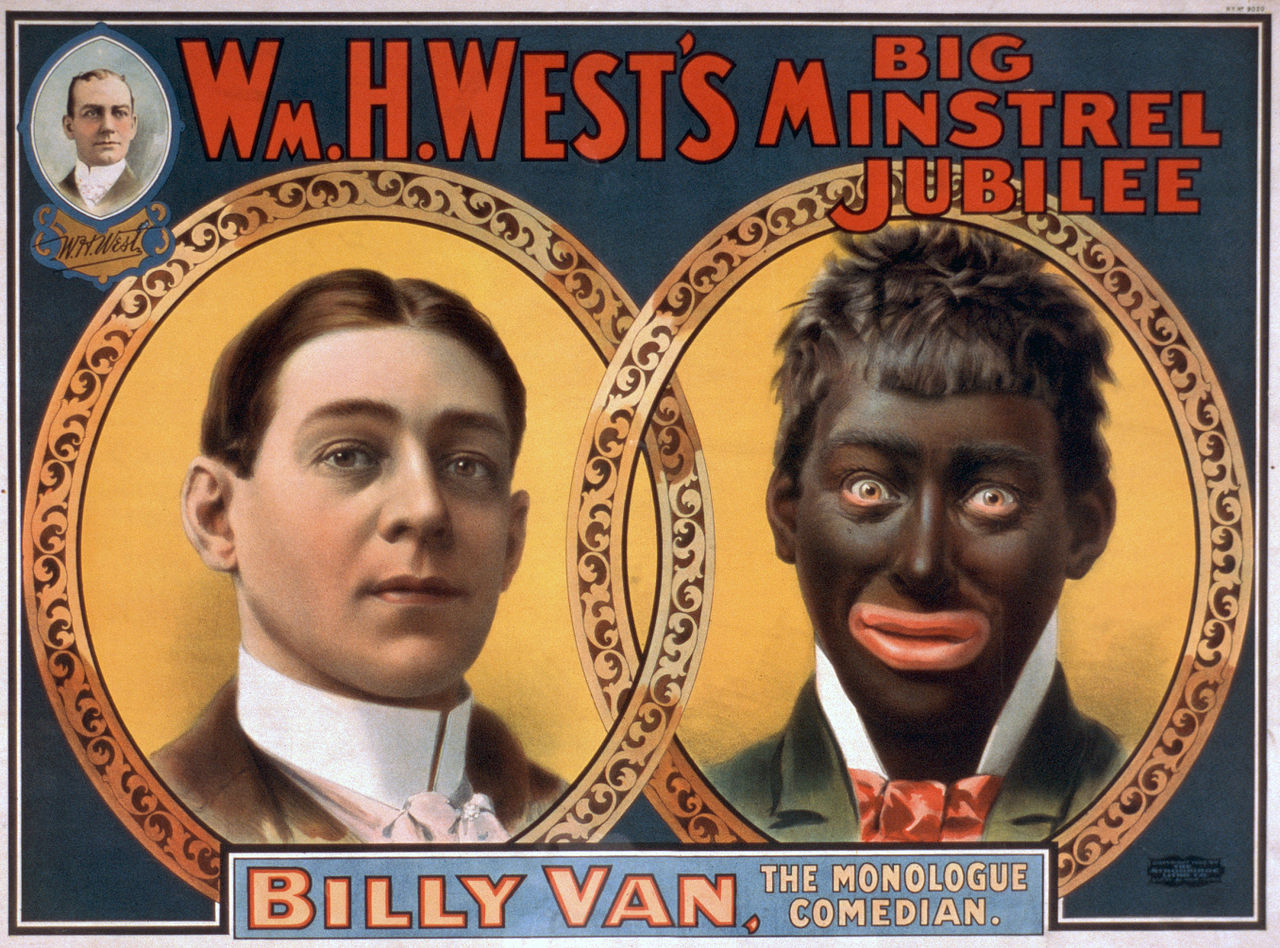


Typical characteristics
Blackface performances often combine several recurring elements that make them recognizably caricatured rather than realistic. Common traits include:
- Darkened skin or full-face makeup applied to simulate a different racial appearance.
- Exaggerated facial features painted or accentuated to suggest mockery.
- Costuming and props that emphasize crude or stereotyped clothing and behavior.
- Dialect, gestures, or routines that imitate or lampoon speech and mannerisms.
Historical development
The form became prominent in the 19th century through minstrel shows, a popular stage entertainment in which white performers often appeared in blackface to present songs, dances, and comic sketches. These minstrel traditions adapted material from a variety of sources and translated more formal musical genres into broadly accessible performances, shaping public perceptions of Black people. Over time the practice moved beyond variety shows and into music halls, early film, and other media; it continued to evolve into distinct conventions of makeup and performance.
Modern controversies and decline
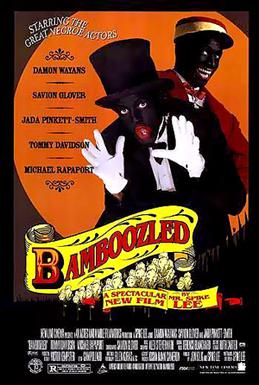
Throughout the 20th century blackface continued to appear in entertainment, advertising, and amateur contexts. By the mid‑20th century and especially after the Civil Rights era, many societies began to recognize blackface as harmful. In the United States, changing social attitudes, activism, and increased awareness of racial inequality led to a decline in mainstream acceptance. High‑profile incidents have continued to spark public debate and apologies when contemporary performers, politicians, or institutions have used blackface, whether intentionally for entertainment or in costume.
Examples and notable cases
Blackface has appeared in film, television, music videos, and publicity materials. Some popular culture moments revived discussion when performers in the late 20th century used the device in music videos or live appearances; for example, actors appeared in blackface in a video by Culture Club, and another music video for Puttin' On the Ritz included characters in blackface and was restricted from broadcast. The presence of actors in these and other productions prompted renewed critique from audiences and commentators.
Legacy and distinctions
Discussions about blackface intersect with broader conversations about race, representation, cultural appropriation, and free expression. Some argue for historical context when encountering older works that contain blackface, while others maintain that such imagery remains offensive regardless of age. Distinctions are sometimes made between faithful, respectful portrayals of Black characters by Black actors and the racist tradition of altering non‑Black faces to caricature a whole group. Scholarship and public policy continue to address how archives, museums, and media platforms should present historical material that includes blackface.
For further reading and contextual materials, historians and cultural critics examine the origins, variations, and social effects of blackface in a range of academic and journalistic sources, and ongoing debates consider how best to remember and learn from this aspect of performance history. See also resources on minstrel shows and the specific national histories of blackface beyond the United States.
Questions and answers
Q: What is blackface?
A: Blackface is a costume or make-up where black make-up is applied to imitate a racist image of a Black or African American person.
Q: When did blackface become popular?
A: Blackface became popular in the 19th century, especially during Reconstruction after the American Civil War.
Q: What are blackface minstrel shows?
A: Blackface minstrel shows are a distinctive art form that started in the mid-19th century. It translated formal works, like opera, into popular terms for general audiences.
Q: When did blackface come off the minstrel show?
A: Blackface came off the minstrel show early in the 20th century, becoming a form in its own right.
Q: Why is blackface offensive and racist?
A: Blackface is offensive and racist because it perpetuates negative stereotypes of Black or African American people.
Q: What are the Culture Club and Taco videos associated with blackface?
A: The Culture Club's "Do You Really Want to Hurt Me" and Taco's "Puttin' On the Ritz" are videos in which actors in blackface appeared during the early 1980s.
Q: Why was the original video for "Puttin' On the Ritz" not allowed?
A: The original video for "Puttin' On the Ritz" (1983) was not allowed due to the characters in blackface in that video.
Related articles
Author
AlegsaOnline.com Blackface Leandro Alegsa
URL: https://en.alegsaonline.com/art/12000
Sources
- books.google.com : Behind the Burnt Cork Mask
- books.google.com : History of the Minstrel Show
- vox.com : "Don't Get What's Wrong with the Blackface?"
- books.google.com : I Want My MTV