
Burlesque: theatrical satire, variety entertainment, and modern revival
Burlesque is a theatrical form that uses comic imitation, exaggeration and variety performance to mock serious subjects; it spans literary satire, Victorian stage parody, American variety shows and a contemporary revival.
Overview
Burlesque is a performance form built on satire and comic inversion. Historically the term describes works that treat serious subjects—classic literature, political events, or grand opera—in a humorous, exaggerated manner. In a later sense, burlesque also came to mean a kind of variety theatre made up of sketches, music, dance and comic routines. Its link to other humorous forms such as parody and travesty is close: all use imitation, incongruity and exaggeration to produce laughter and critical distance.
Image gallery
8 Images


Characteristics
Typical elements of burlesque performances include energetic comic timing, pastiche of well-known works, and deliberate mismatches between style and subject. Many shows rely on visual spectacle—costumes, choreography and staged tableaux—alongside spoken jokes and songs. Common features are:
- exaggerated imitation of established works or authorities;
- mixing of high-culture material with lowbrow humour;
- use of music, dance, and short comic sketches;
- occasional elements of cross-dressing, gender play and role reversal.
History and development
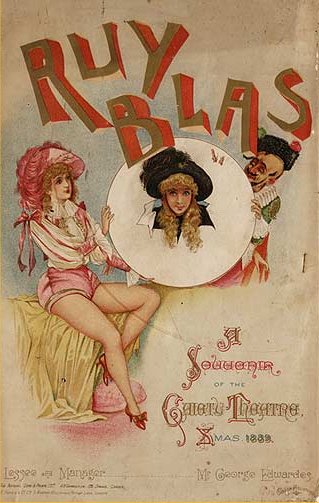
The word burlesque originates from a word meaning joke and entered English usage by the 17th century to describe literary lampoons. During the 19th century a theatrical form often called Victorian burlesque became popular in Britain; those shows mocked operas, classical myths and fashionable plays with topical jokes and playful anachronisms. By the late 19th and early 20th centuries the idea migrated into American popular entertainment, blending with vaudeville and variety formats and evolving in some contexts into more risqué revues.
Performance, examples and revival
Classic stage burlesque programs typically presented a sequence of comic sketches, musical numbers and dance, and in some eras included striptease as part of the spectacle. Notable figures and venues from the 20th century are often associated with the American burlesque circuit; in recent decades a neo-burlesque revival has emphasized theatricality, vintage aesthetics and diverse body types, reframing elements such as striptease as performative art rather than solely erotic display. Modern shows appear in clubs, festivals and cabaret spaces and often mix political satire with glamour.
Distinctions and cultural importance
Burlesque differs from related forms like cabaret, vaudeville and straight strip clubs in intent and tone: it foregrounds parody, narrative or theme and uses variety-format devices to lampoon or comment as well as to entertain. Its mixture of humour, music and visual spectacle has influenced comedy, musical theatre and popular performance styles. For further context on how burlesque fits into broader varieties of popular entertainment see discussions of the variety show tradition.
Related articles
Author
AlegsaOnline.com Burlesque: theatrical satire, variety entertainment, and modern revival Leandro Alegsa
URL: https://en.alegsaonline.com/art/15460