
Thelma Todd: American actress and businesswoman (1906–1935)
Thelma Todd was a popular 1920s–30s film comedian and entrepreneur known as the 'Ice Cream Blonde'. She appeared in about 120 films and her 1935 death in Los Angeles remains a subject of unresolved questions.
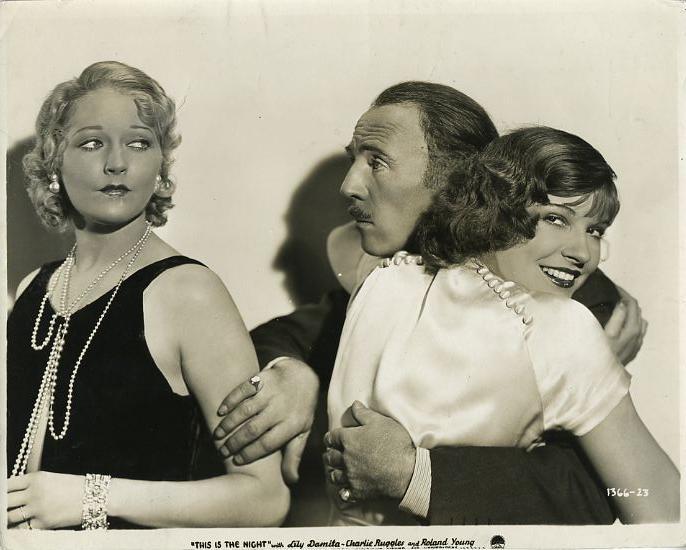
Thelma Alice Todd (July 29, 1906 – December 16, 1935) was an American film actress and businesswoman who became a well-known figure in late silent and early sound comedies. Born in Lawrence, Massachusetts, she moved to the film industry in the mid-1920s and quickly gained notice for her combination of glamour and comic timing. Her popular nicknames included the "Ice Cream Blonde" and "Hot Toddy," reflecting both her screen image and public persona.
Image gallery
7 Images


Early life and entry into films
Todd's early years were typical of many actresses of the period who migrated from small-town origins to the studios of Hollywood. She began appearing in films from about 1926, taking supporting parts and roles in short comedies that showcased her ability to deliver a witty line and react effectively in physical comedy. Her work bridged the silent era and the new talking pictures, and she became a regular presence in studio comedy rosters.
Career and screen persona
Over the course of roughly a decade she appeared in about 120 feature films and shorts, becoming best known for light comedy roles that often cast her as a sharp, urbane foil to male comedians. She is remembered for roles in films alongside leading comic performers and teams of the time: she appears in the Marx Brothers features Monkey Business and Horse Feathers, and she co-starred with performers such as Buster Keaton and Jimmy Durante in Speak Easily. She also worked with popular teams like Laurel and Hardy and Wheeler and Woolsey, making her a familiar face in the era's comic output.
Business ventures and public life
In addition to acting, Todd ran a fashionable roadside café in the Los Angeles area that became a meeting place for entertainers and the public. Often referred to in contemporary accounts as Thelma Todd's Sidewalk Café, the business reinforced her public profile and made her a visible figure in Hollywood social life. Her fashionable image, social activity and café ownership marked her as more than a screen personality: she was also an entrepreneur participating in the city's nightlife and commerce.
Death and the unresolved questions
On December 16, 1935, Thelma Todd was found dead inside her car in a garage at her home in Pacific Palisades, Los Angeles. The immediate medical finding identified the cause of death as carbon monoxide poisoning. From the start the circumstances generated conflicting accounts and speculation: investigators, reporters and later commentators have debated whether her death was accidental, deliberate (suicide) or the result of foul play. Different sources emphasize different lines of evidence, and although official inquiries were conducted at the time, the case has remained controversial and the precise sequence of events has not been conclusively settled in the public record or subsequent discussions.
Legacy and cultural impact
Todd's cinematic work, though concentrated into a brief period, left an imprint on early sound comedies. Film historians and classic-movie enthusiasts remember her for bringing both glamour and comic skill to supporting roles that complemented the era's best-known comics. Her unexplained death has also kept her in the public imagination, inspiring biographies, magazine features and documentary segments that examine Hollywood's Golden Age and its darker, unresolved episodes. Her name endures in studies of women in early American film, as well as in accounts of Hollywood mysteries.
Selected film highlights and collaborations
- Monkey Business and Horse Feathers — appearances in Marx Brothers features that remain among her most frequently cited credits (Marx Brothers films).
- Speak Easily — a film in which she shared scenes with Buster Keaton and Jimmy Durante, illustrating her range in both physical and verbal comedy (filmography).
- Numerous short comedies and studio productions between 1926 and 1935 that established her as a regular supporting player for several major comic teams and studios.
For readers seeking further information, contemporary filmographies and retrospective accounts collect credits and discuss both her artistic contributions and the continuing interest in the circumstances of her death; these summaries and analyses are available in printed and online film-reference sources listed in filmographies and in narrative treatments that examine Hollywood history and unsolved cases in the popular press. Her birthplace and early biography are often noted in regional and biographical summaries about Lawrence, Massachusetts, while detailed discussions of specific films can be found in specialized studies of the era's comedy teams and performers on performers like Keaton and Durante. The place and manner of her death are discussed in many historical treatments of Hollywood's 1930s culture and controversies in accounts of Pacific Palisades history, and the medical finding of carbon monoxide as the immediate cause remains a central fact in most summaries of the coroner's report.
Related articles
Author
AlegsaOnline.com Thelma Todd: American actress and businesswoman (1906–1935) Leandro Alegsa
URL: https://en.alegsaonline.com/art/99198