
Theo van Gogh — Dutch filmmaker, columnist and controversial public figure
Overview of Theo van Gogh (1957–2004), his work as a filmmaker and columnist, major controversies, his assassination and its impact on Dutch society and debates about free speech and multiculturalism.
Theodoor "Theo" van Gogh (23 July 1957 – 2 November 2004) was a Dutch film director, producer, writer and columnist known for provocative films, outspoken commentary and a confrontational public style. Born in The Hague, he came from a family that included the painter Vincent van Gogh as a distant relative. Van Gogh worked across cinema, television and print, building a reputation for sharp satire and direct criticism of social and religious taboos.
Image gallery
6 Images
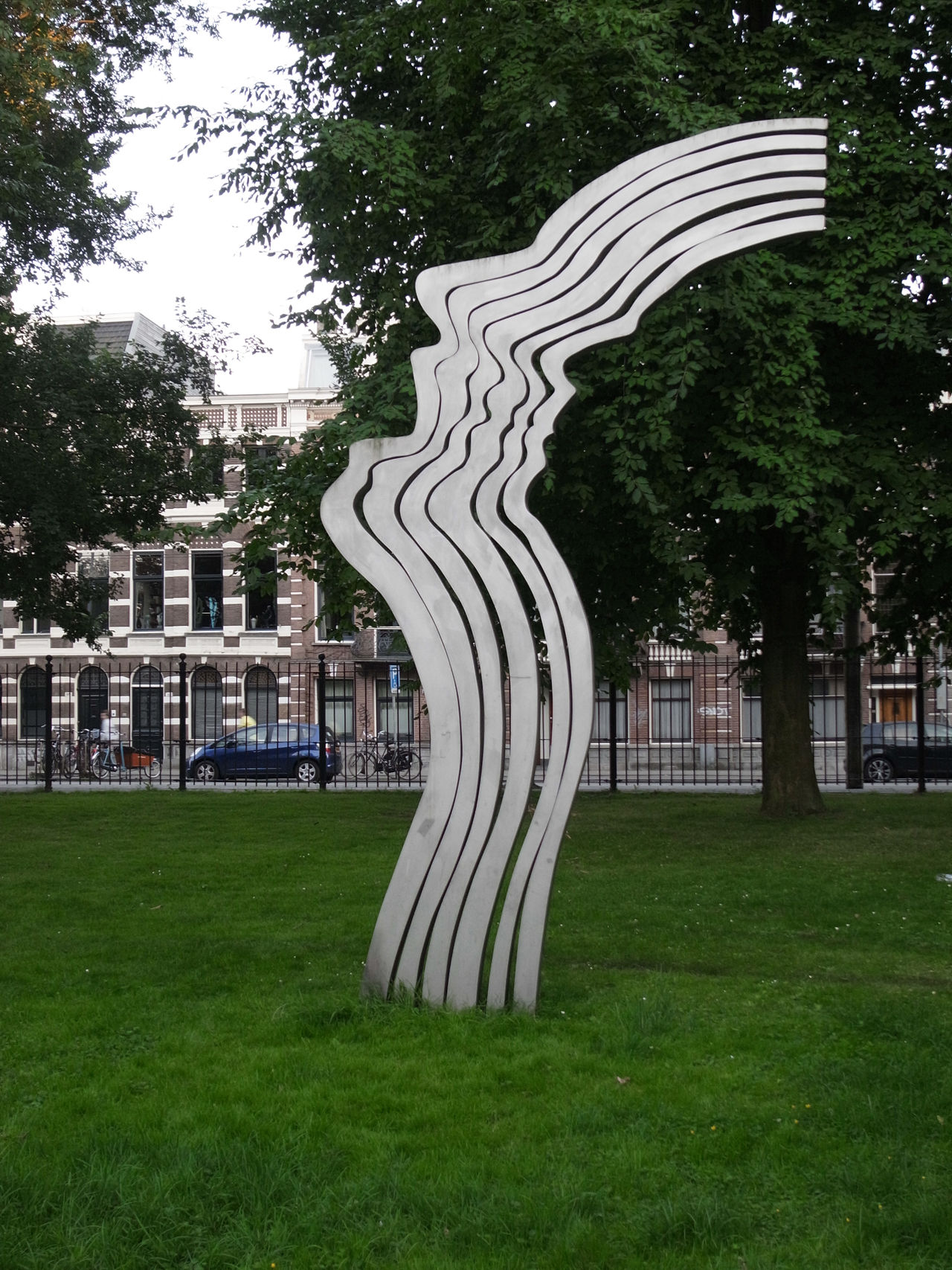


Career and artistic approach
Van Gogh directed and produced feature films, shorts and television programs. His work blended dark humour, social critique and vivid visual storytelling. He often collaborated with screenwriters, actors and public intellectuals, and he published columns and essays that reached broad Dutch audiences. Critics described his methods as intentionally provocative: he used shock and irony to challenge prevailing norms and spark public debate.
Major works and collaborations
- Notable projects included documentaries and narrative films that addressed immigration, religion and identity.
- In 2004 he directed a short film with a script by Ayaan Hirsi Ali that critiqued the treatment of women under strict interpretations of Islam; that project intensified both praise and condemnation.
- He also wrote essays and columns for newspapers and appeared frequently in television debates.
Controversy and public debate
Van Gogh's direct style made him a polarising figure. Supporters argued he defended free expression and exposed abuses; opponents accused him of gratuitous provocation and of exacerbating social tensions. His public exchanges touched on immigration, integration, secularism and the limits of satire in a multicultural society. For more on his background see biography and for a list of works see filmography.
Assassination and aftermath
On 2 November 2004 van Gogh was murdered in Amsterdam. The killing shocked the Netherlands and prompted intense national discussion about security, radicalisation and the protection of free speech. The assailant was arrested and later convicted; the event led to increased security for public figures and renewed political debate on integration and counter-radicalisation policies.
Van Gogh's life and death remain subjects of reflection in the Netherlands. He is remembered both for his contributions to Dutch film and for the ways his work and murder influenced conversations about multiculturalism, civic values and the risks faced by outspoken public intellectuals. He was born in The Hague, a city that figures in many accounts of his early life and career.
Related articles
Author
AlegsaOnline.com Theo van Gogh — Dutch filmmaker, columnist and controversial public figure Leandro Alegsa
URL: https://en.alegsaonline.com/art/99224