
Jimmy Durante: American entertainer, comedian and singer
Profile of Jimmy Durante (1893–1980), the American singer, pianist, comedian and actor known as 'The Great Schnozzola', his style, career across vaudeville, radio, film and TV, and his legacy.
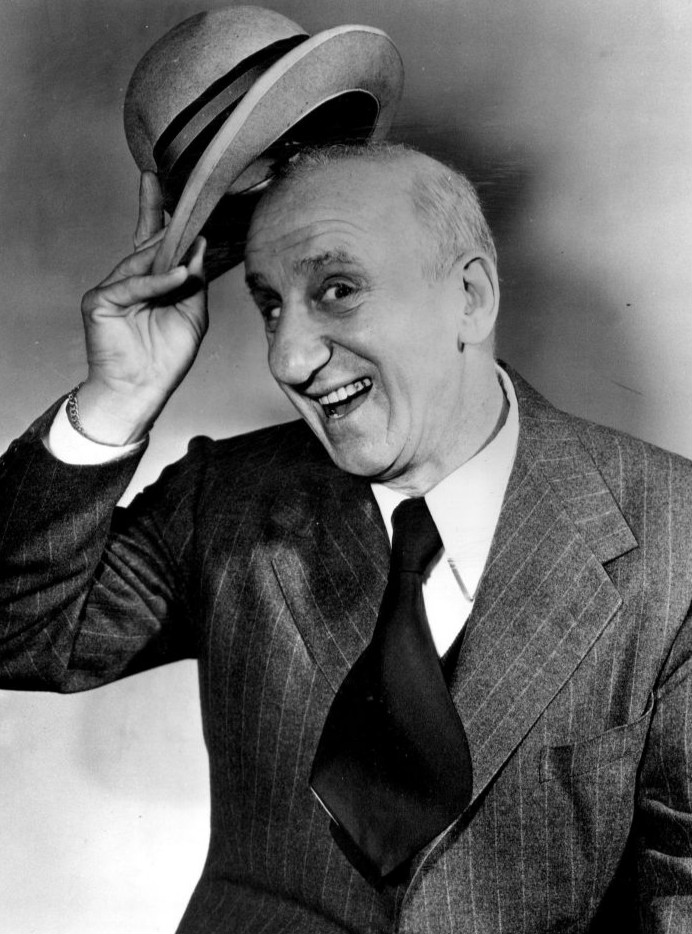
James Francis "Jimmy" Durante (February 10, 1893 – January 29, 1980) was an American entertainer whose career spanned vaudeville, radio, motion pictures and television. He became famous for a gravelly, expressive voice, distinctive piano playing and an outsized stage persona centered on his self-deprecating humor and memorable catchphrases. Durante was widely billed as a singer, a comedian and a pianist, and he also worked as an actor, writer and radio personality during a career that lasted more than five decades.
Image gallery
8 Images



Early career and rise to fame
Durante began performing in the early 20th century in popular variety shows and nightclubs, where his timing, piano accompaniment and knack for mixing patter with music helped him stand out. He developed a signature repertoire that included comic songs and novelty numbers; one of his best-known tunes was "Inka Dinka Doo," which became closely associated with his public identity. He moved into radio and film as both media expanded in the 1930s and 1940s, bringing his distinctive voice and persona to a national audience.
Performance style and public persona
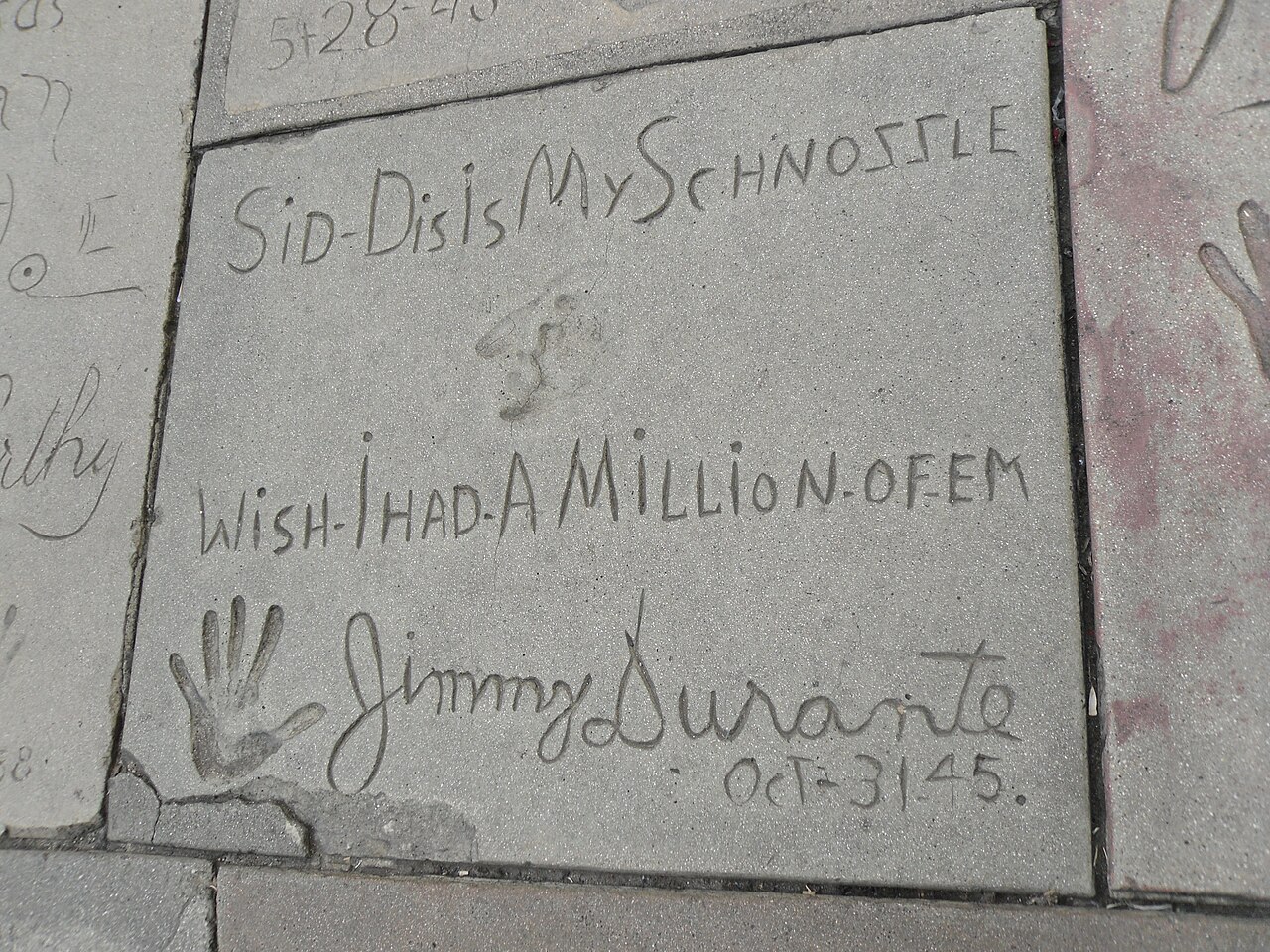
Durante's style combined elements of slapstick, verbal one-liners and musical interludes. He often used gentle self-mockery—most famously referencing his prominent nose with nicknames such as "The Great Schnozzola"—and he punctuated performances with a rasping laugh and signature vocal flourishes. Two catchphrases that many audiences remember are his exuberant chuckle, often written in print as "Ha-Cha-Cha-Cha-Cha-Chaaaaa!", and the warm valediction, "Goodnight, Mrs. Calabash, wherever you are," which he used to close shows for decades. His public image was affable and protective of family and community values, which contributed to his broad appeal.
Work across media and recognition
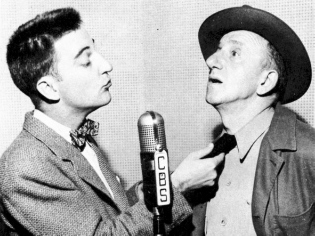
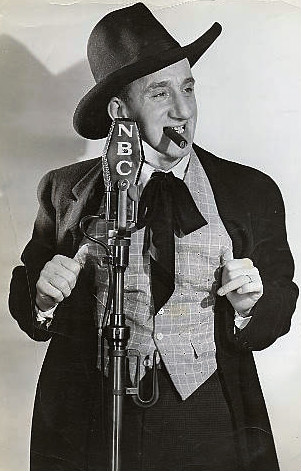
Durante appeared in numerous films, headlined radio programs and later hosted television shows, adapting his act to different formats while retaining the same comic identity. He received industry recognition for his contributions to broadcasting and entertainment; among his honors is an Emmy Award in 1952. His presence in multiple entertainment platforms helped keep him in the public eye from the 1920s through the 1960s, and he worked with many other notable performers of his era.
Legacy and notable facts
Durante's influence is visible in the way comic musicians integrate music and spoken patter, and in the affectionate, self-referential persona he cultivated. He is often cited as a model for entertainers who balance musical skill and comic timing. Some notable facts about him include:
- He was widely known by the nickname referencing his large nose—"The Great Schnozzola"—which he used as a recurring joke in his act (more on his persona).
- His signature numbers and spoken sign-offs helped create a recognizable brand that transferred well from live performance to radio and television (signature material).
- Industry honors and audience affection sustained his career long after the golden age of vaudeville (awards and recognition).
For readers who want to explore further, there are substantial biographical and archival resources that document Durante's recordings, radio broadcasts and filmed appearances. Collections of his performances illustrate how a single performer's voice, musical ability and recurring jokes can form a durable and widely imitated entertainment style. Additional context about his recordings, broadcast credits and later tributes can be found through dedicated reference sources and film and music archives (filmography, written work, recordings).
Jimmy Durante remains a recognizable figure from American popular culture of the 20th century: a performer who translated vaudeville instincts into radio and television success, left behind memorable songs and lines, and maintained an amiable, enduring stage presence until his death in 1980.
Questions and answers
Q: Who was Jimmy Durante?
A: Jimmy Durante was an American singer, pianist, comedian, writer, and actor.
Q: What was Jimmy Durante's famous nickname?
A: Jimmy Durante's famous nickname was The Great Schnozzola, which referred to his big nose.
Q: What was Jimmy Durante known for, in addition to his big nose?
A: Jimmy Durante was known for his deep raspy voice when he said "Ha-Cha-Cha-Cha-Cha-Chaaaaa!".
Q: What award did Jimmy Durante win in 1952?
A: Jimmy Durante won an Emmy Award in 1952.
Q: When was Jimmy Durante born and when did he die?
A: Jimmy Durante was born on February 10, 1893 and died on January 29, 1980.
Q: What were some of the professions that Jimmy Durante had?
A: Jimmy Durante was a singer, pianist, comedian, writer, and actor.
Q: What was the reason behind Jimmy Durante's nickname?
A: Jimmy Durante's nickname, The Great Schnozzola, was a reference to his big nose.
Related articles
Author
AlegsaOnline.com Jimmy Durante: American entertainer, comedian and singer Leandro Alegsa
URL: https://en.alegsaonline.com/art/121991
Sources
- sanctepater.com : "The Actors' Chapel"
- legacy.com : "Margaret "Margie" Durante Obituary: View Margaret Durante's Obituary by La Jolla Light"
- youtube.com : "Give a Man a Job - 1933"