
Themistocles: Athenian naval strategist and leader in the Persian Wars
Themistocles, Athenian statesman and naval strategist who expanded Athens' fleet and led the Greek victory at Salamis (480 BC); later ostracised and exiled, he shaped Athens' maritime rise.
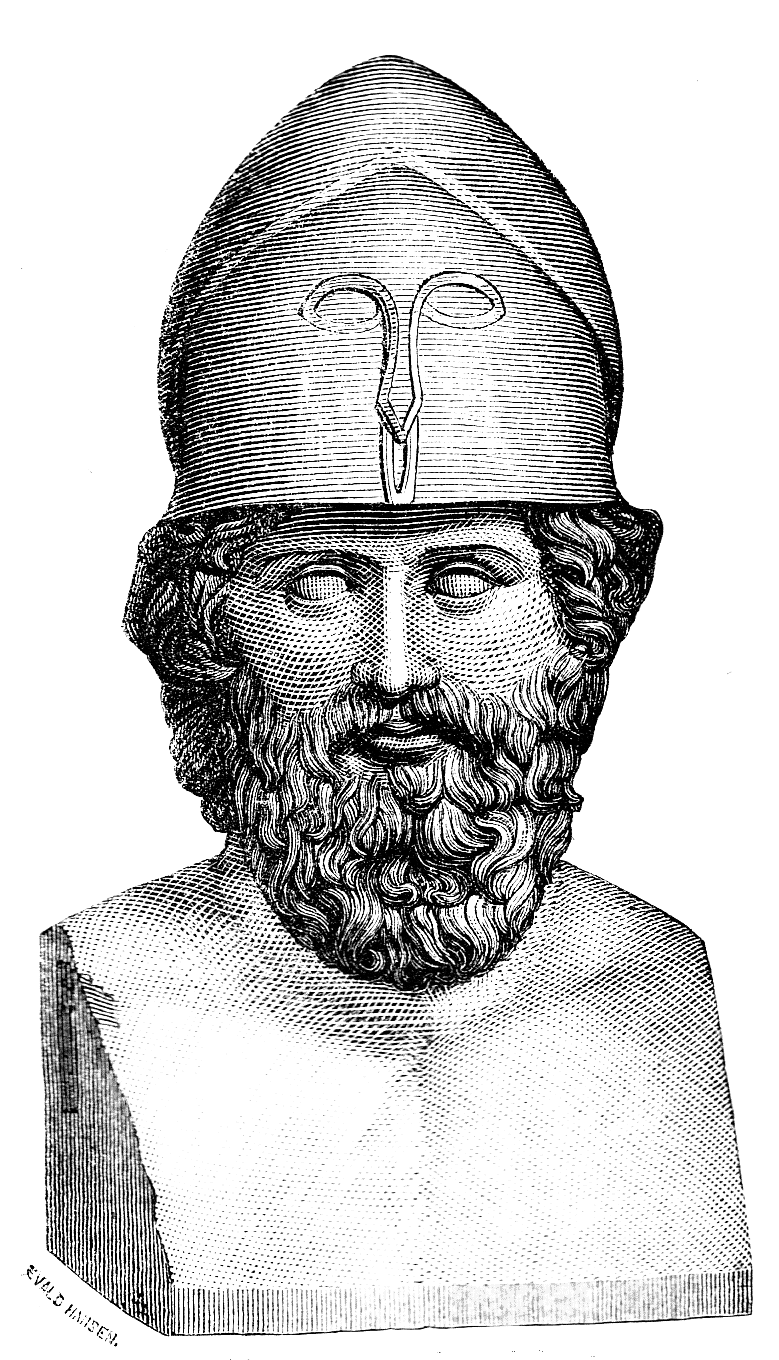
Themistocles (c. 524 BC – c. 460 BC) was an Ancient Greek statesman and military leader from Athens. As a young man he took part in the Greek defense against Persia at the Battle of Marathon. In the years that followed he persuaded the citizens of Athens to invest in a larger navy, a decision that proved decisive when the Persian invasion returned in 480 BC.
Image gallery
10 Images


Role in the Persian Wars
During the second Persian invasion Themistocles became the leading Athenian naval commander. Ancient accounts give him credit for the strategy that led the Greek fleet to victory at the Battle of Salamis in 480 BC, where the smaller, more maneuverable Greek ships defeated a much larger Persian fleet in confined waters. His leadership helped secure Greek control of the sea and was a turning point in the conflict with Persia.
Exile and service to Persia
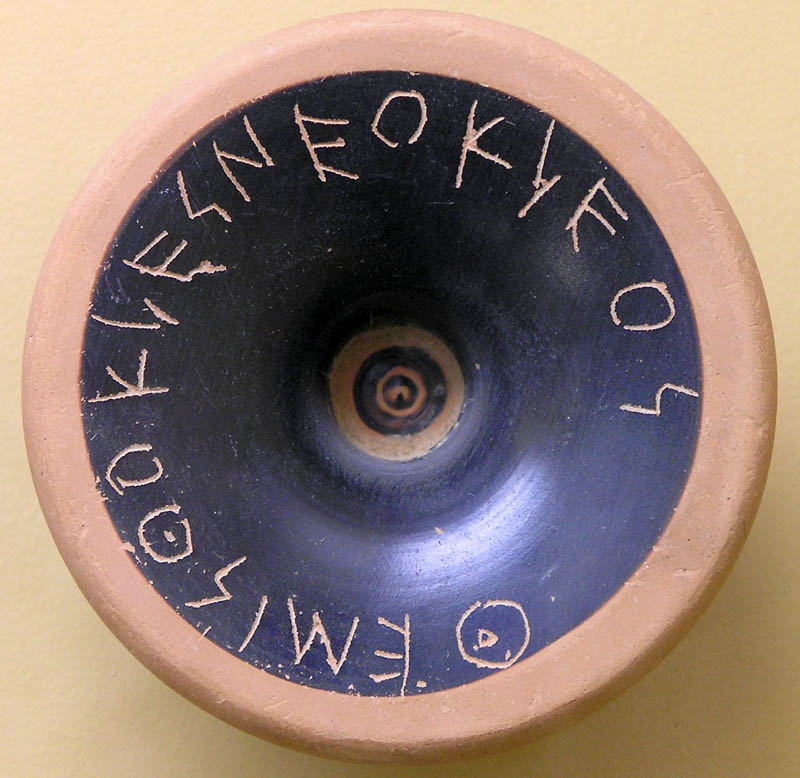
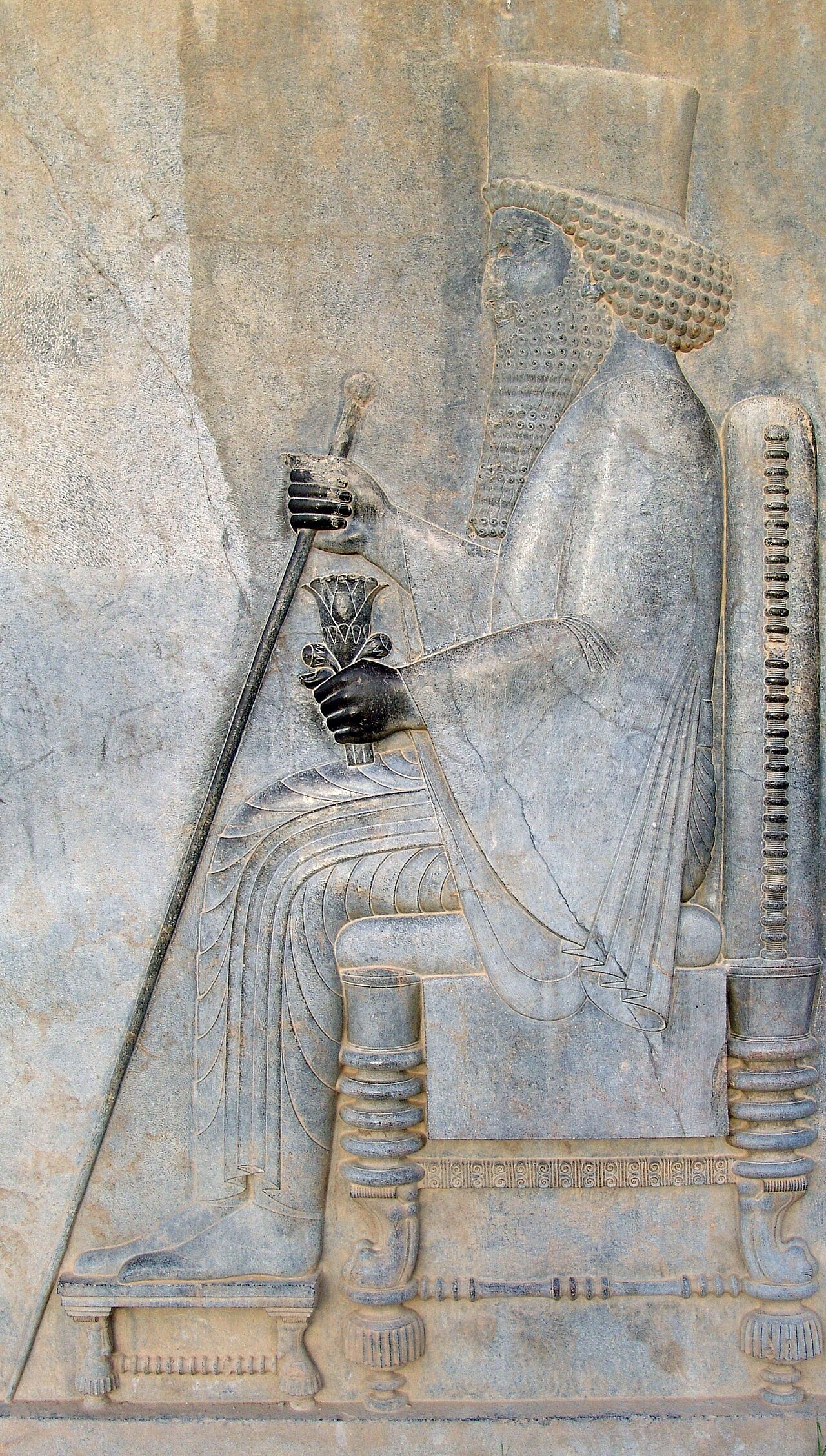
After the Persian Wars Themistocles' political position weakened and, following ostracism from Athenian public life in the early 470s BC, he went into exile. He eventually sought refuge at the court of the Persian Empire, where, according to the surviving sources, he received honours and a governing post in Asia Minor. He died in foreign service, still remembered as one of the architects of Athens’ naval power.
Reputation
Themistocles is remembered for shifting Athenian strategy from land-based power toward maritime dominance, and for his skill in political as well as military affairs. Ancient writers portray him as ambitious and resourceful; modern historians treat many details of his life with caution because the surviving evidence is limited and sometimes contradictory.
Related articles
Author
AlegsaOnline.com Themistocles: Athenian naval strategist and leader in the Persian Wars Leandro Alegsa
URL: https://en.alegsaonline.com/art/99215