
Theatre (warfare)
A theatre of war is a geographic area in which military events occur. The concept guides command organization, logistics and strategy and distinguishes localized fronts from multi-theatre conflicts.
A theatre of war (often shortened to theatre) denotes a defined geographic region in which military operations are conducted. The term helps planners and commanders distinguish one area of sustained conflict from surrounding zones of limited or no hostilities. A theatre can range from a single front or campaign to an extensive, multi-continent area of operations that requires its own command, logistics and political oversight. The general study of this concept lies within warfare theory and military doctrine.
Image gallery
4 Images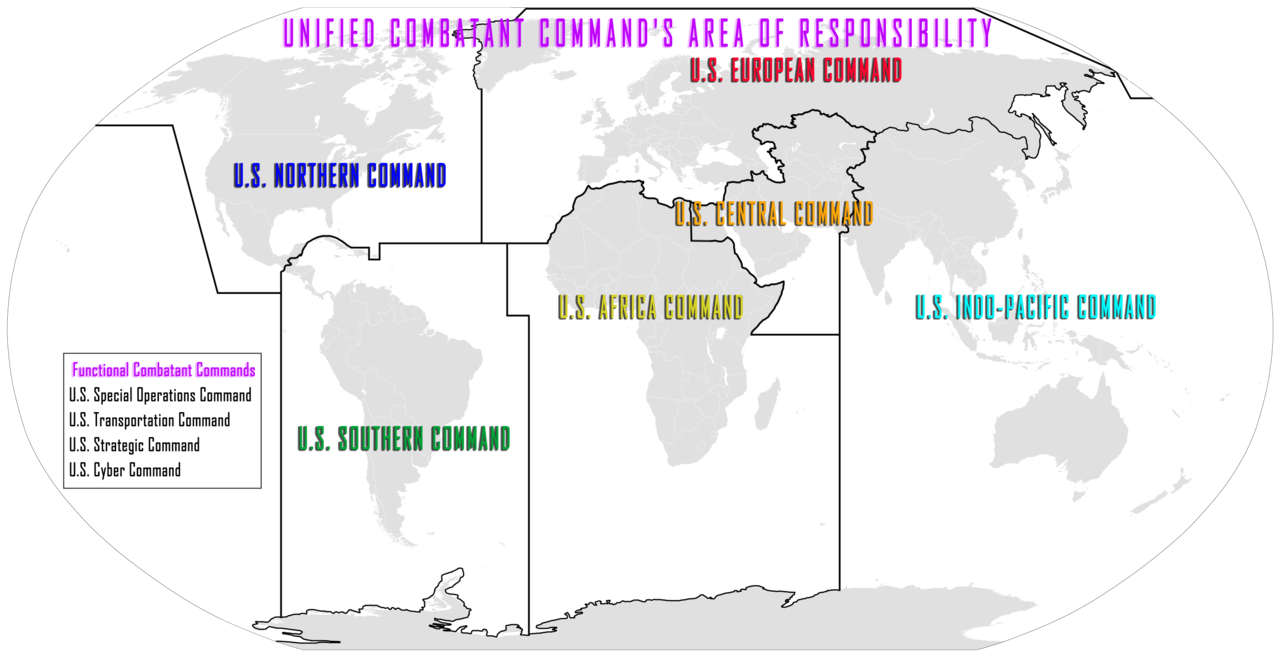


Key elements and organization
A theatre normally includes combat zones, rear areas, lines of communication and supply bases. Military organizations often define subordinate levels within a theatre: strategic theatre (overall regional responsibility), operational theatre or theatre of operations (areas assigned for specific campaigns), and tactical zones (local battlefronts). Theater commands coordinate joint forces, allocate resources and synchronize campaigns to meet high-level objectives while accounting for geography, weather, infrastructure and political boundaries.
History and terminology
The use of the word "theatre" in a military sense became widespread in the 19th century; Carl von Clausewitz used related concepts in his book On War. The Napoleonic era saw conflict spread beyond single battlefields into interconnected operations across Europe and adjacent regions, foreshadowing the multi-theatre wars of later centuries. From the Seven Years' War to the world wars of the 20th century, differing scales and technologies have continually reshaped what constitutes a theatre.
Notable historical examples
- Franco-Prussian War — largely confined to a European theatre and often treated as a more localized conflict.
- Seven Years' War — fought in multiple theatres worldwide, including Europe, North America, India and colonial seas.
- World War I — featured multiple distinct theatres such as the Western, Eastern and Middle Eastern fronts.
- World War II — commonly divided into the European, Pacific and Mediterranean theatres, each with separate strategic commands.
Practical importance and modern developments
Defining a theatre is essential for command structure, logistics planning and political control. It affects force posture, supply chains, and rules of engagement. Technological changes — railways, steam navies, air power, and long-range precision weapons — have expanded the reach and complexity of theatres. Contemporary debates sometimes extend the concept to non-physical domains such as cyber and space, where actors contest access and influence across dispersed networks, though these are often described with distinct terminology.
For military historians and planners, the theatre remains a foundational unit of analysis: it links strategy to terrain, resources and political aims, and it clarifies how separate campaigns interact within broader conflicts. Further reading and doctrinal sources are available in military manuals and studies of major wars cited above.
Related articles
Author
AlegsaOnline.com Theatre (warfare) Leandro Alegsa
URL: https://en.alegsaonline.com/art/99176