
The Wild Bunch (1969 film)
Sam Peckinpah's 1969 Western about an aging outlaw gang on the Texas–Mexico border, noted for its graphic violence, innovative editing, and lasting influence on the Western genre.
Overview
The Wild Bunch is a 1969 American Western film directed by Sam Peckinpah. Set in 1913 along the Texas–Mexico border, it follows a group of aging outlaws who struggle to survive as the modern world and new forms of law enforcement encroach on the outlaw lifestyle. The screenplay was written by Peckinpah with Walon Green and the picture was produced in color and widescreen formats common to the era.
Image gallery
4 Images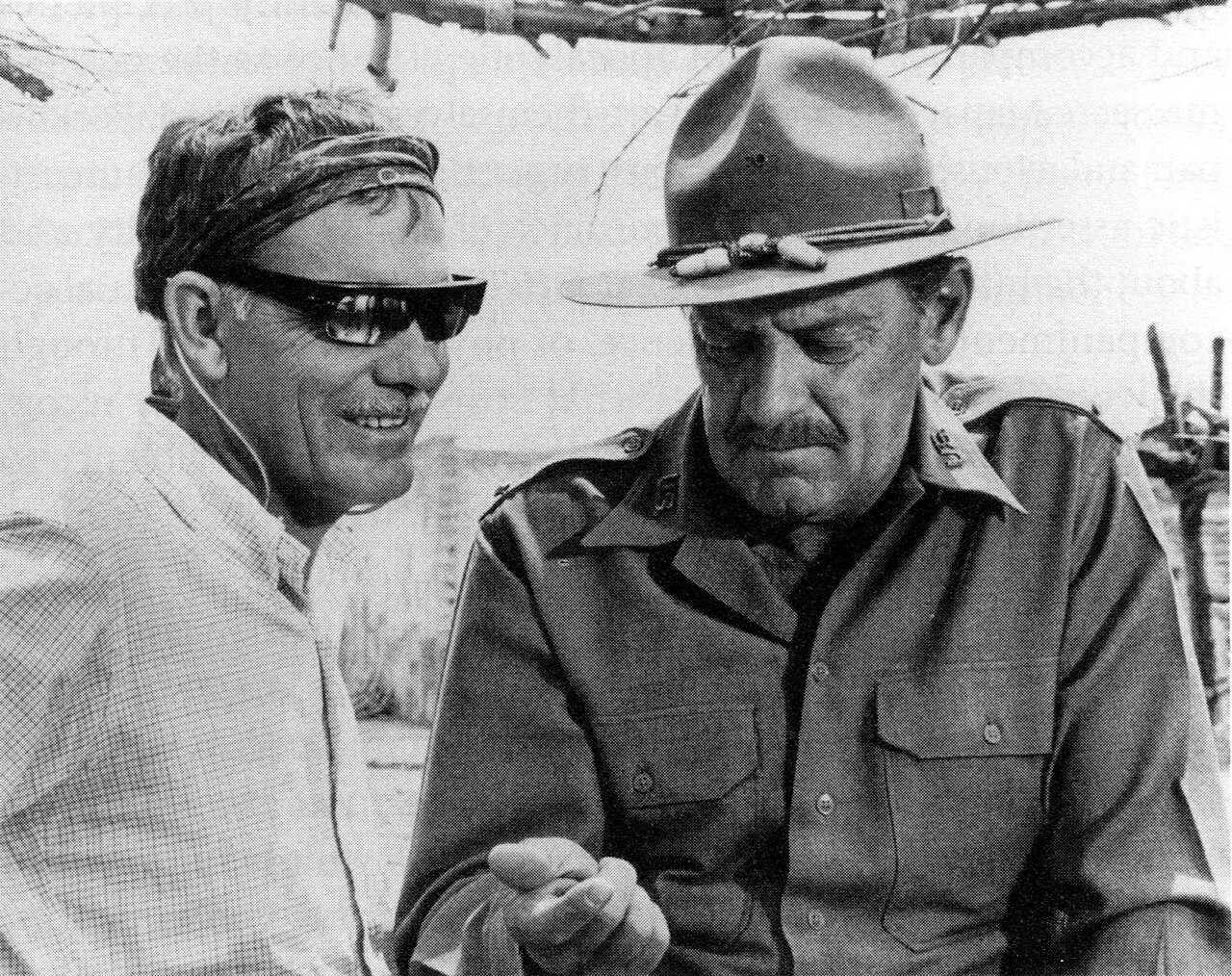
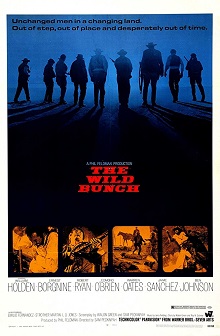


Story and principal cast
The narrative centers on a gang led by Pike Bishop and portrays their attempts to adapt to changing times while maintaining loyalty to one another. The ensemble cast includes major performances by William Holden, Ernest Borgnine, Ben Johnson, Alfonso Arau, Warren Oates and Robert Ryan. Each actor contributes to a picture of a fractured band of men whose skills and values are at odds with the industrializing world around them.
Production, style and filming
Filming took place largely in Mexico, and the production made use of expansive locations to evoke the borderland setting. Peckinpah's directorial approach combined traditional Western staging with experimental editing techniques, including the use of slow motion, rapid intercutting and juxtaposition of violence with poetic imagery. These stylistic choices were intended to heighten the emotional impact of action scenes and to interrogate the romantic myths of outlaw life.
Themes and controversy
The film explores themes of loyalty, obsolescence, honor among thieves and the human cost of violence. Upon release it provoked debate because of its explicit depiction of brutality and its unsparing portrayal of men who make morally questionable choices to survive. Critics and audiences were divided: some criticized the film for its graphic content while others praised it as an honest, unromantic account of the end of an era.
Legacy and influence
Over time the picture has come to be seen as a landmark in revisionist Westerns. Its technical innovations and thematic complexity influenced later filmmakers and helped open space for more ambivalent, morally complicated stories within the genre. The film is frequently discussed in studies of cinematic violence and editing, and it remains a reference point in film history courses and retrospectives.
Notable facts
- The production is often noted for its group dynamic and ensemble acting rather than a single star performance.
- Peckinpah's editing and staging choices sparked debates about cinematic realism versus stylization.
- Filmed on location in Mexico, the movie used local landscapes to represent the border region.
- The work is an example of how late-1960s American cinema began to challenge earlier genre conventions.
For further reading on production details, cast biographies and contemporary responses, consult specialized film studies resources and archival interviews with the director and cast. Many retrospectives and scholarly articles examine the film's place in the evolution of the Western and its controversial reception at the time of release.
Related articles
Author
AlegsaOnline.com The Wild Bunch (1969 film) Leandro Alegsa
URL: https://en.alegsaonline.com/art/99119
Sources
- books.google.com : The 100 Greatest Western Movies of All Time: Including Five You've Never Heard of