
The Wizard of Oz (1939 film) — overview, production, and legacy
1939 MGM musical fantasy film based on L. Frank Baum’s book, noted for Judy Garland, Technicolor sequences, the song “Over the Rainbow,” and enduring cultural influence and recognitions.
Overview
The Wizard of Oz is a classic American musical fantasy film first released in 1939. It adapts the 1900 children’s novel The Wonderful Wizard of Oz (often cited as The Wonderful Wizard of Oz) by L. Frank Baum. The story follows a young girl, Dorothy, who is transported from Kansas to the magical Land of Oz and embarks on a journey to find her way home. The film is widely remembered for its combination of early Technicolor cinematography, memorable songs, and a blend of fantasy and Americana that appealed to audiences worldwide.
Image gallery
10 Images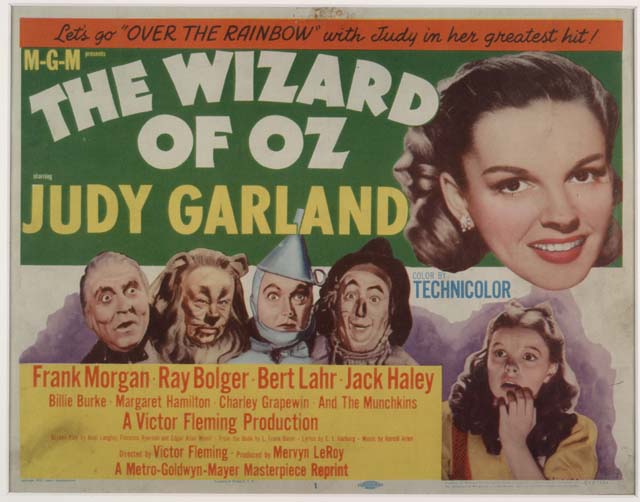



Story and principal characters
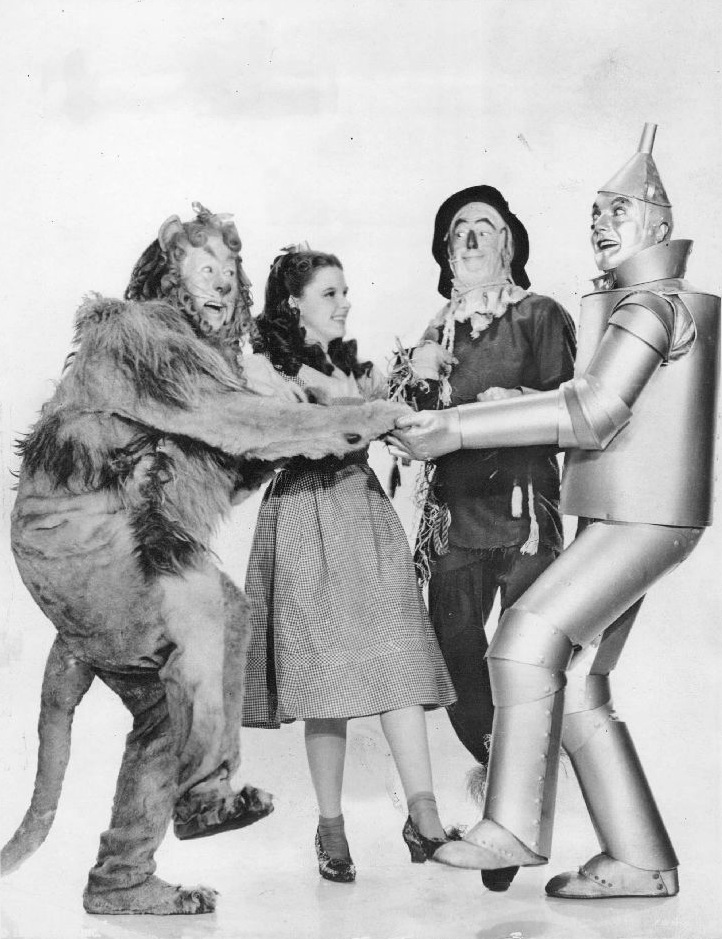
The narrative begins in Kansas and shifts to the colorful landscapes of Oz after a tornado lifts Dorothy’s house. Along the Yellow Brick Road she meets companions who seek what they believe they lack. Key figures include:
- Dorothy Gale – the protagonist and girl from Kansas
- Scarecrow – seeking a brain
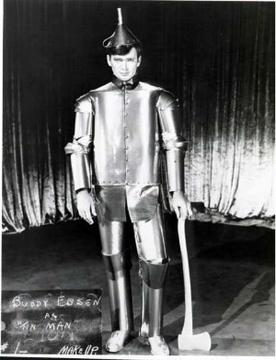
- Tin Man – seeking a heart
- Cowardly Lion – seeking courage
- The Wizard – a mysterious figure in the Emerald City
Production, music, and performances
Produced by Metro-Goldwyn-Mayer, the film combined elaborate set design, costume work, and innovative color processes to create vivid contrasts between Kansas and Oz. Judy Garland’s portrayal of Dorothy became iconic; the film’s score and songs, especially "Over the Rainbow", contributed greatly to its popular appeal. The song won the Academy Award for Best Original Song and remains one of the most recognized pieces of American film music.
Release, broadcasting, and reception
After its theatrical release the film enjoyed enduring popularity. It reached television audiences when it was first televised in the 1950s and subsequently became an annual viewing event in many households, often associated with holiday programming and the Thanksgiving television schedule. Critics and audiences have praised the movie for its imagination, performances, and technical achievements, and it has been included on numerous lists of great films.
Legacy and recognitions
The film’s cultural and historical importance has been acknowledged through preservation and rankings. Institutions and critics have highlighted its place in American cinema: the Library of Congress and other cultural bodies have recognized it among significant works, and the American Film Institute placed it high on retrospectives such as the 100 Years...100 Movies list. The film was also selected for preservation in national film archives for its cultural, historical, and aesthetic significance.
Notable facts and influence
Beyond awards and lists, The Wizard of Oz has influenced later fantasy filmmaking, stage adaptations, and reinterpretations in literature and popular culture. Its phrases, images, and songs have entered the public imagination and continue to be referenced across media. The film’s mix of technical craft, musical storytelling, and timeless themes of friendship and home remains central to its long-lasting appeal.
Further reading and resources: musical film background, original book, archival entries at Library of Congress and lists from the AFI. More historical notes and broadcasting records can be found via curated film resources and institutional archives.
Questions and answers
Q: When was The Wizard of Oz released?
A: The Wizard of Oz was released in 1939.
Q: Who produced The Wizard of Oz?
A: The Wizard of Oz was produced by MGM.
Q: What is The Wizard of Oz based on?
A: The Wizard of Oz is based on the children's book The Wonderful Wizard of Oz by L. Frank Baum.
Q: When was The Wonderful Wizard of Oz first published?
A: The Wonderful Wizard of Oz was first published in May 1900.
Q: What is the movie about?
A: The movie is about a little girl's adventures in the land called Oz.
Q: What is the significance of the song "Over the Rainbow"?
A: The song "Over the Rainbow" won the Academy Award for Best Original Song.
Q: Has The Wizard of Oz received any awards or recognition?
A: Yes, The Wizard of Oz has been named the most-watched motion picture in history by the Library of Congress and has been chosen for preservation in the United States National Film Registry. Additionally, in 1998, the movie was sixth on the American Film Institute's 100 Years... 100 Movies list.
Related articles
Author
AlegsaOnline.com The Wizard of Oz (1939 film) — overview, production, and legacy Leandro Alegsa
URL: https://en.alegsaonline.com/art/99129