
The Wild One (1953 film)
1953 American drama that helped create the outlaw biker film genre, directed by László Benedek and starring Marlon Brando. Noted for controversy, cultural influence and its depiction of postwar motorcycle gangs.
Overview
The Wild One is a 1953 American drama that is widely credited with launching the modern outlaw biker film. Directed by László Benedek, the picture stars Marlon Brando in one of his most memorable early roles and features Lee Marvin in his first credited screen appearance. Its stark black-and-white photography and terse storytelling made it distinctive in the postwar cinema landscape.
Image gallery
4 Images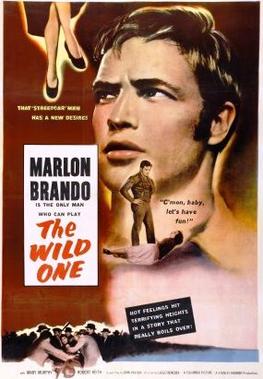


Origins and basis
The screenplay was shaped by contemporary reports and by a short piece that described a 1947 disturbance in a small California town involving large groups of motorcyclists. The film uses that episode as a loose springboard rather than a literal retelling, translating newsworthy anxieties about youth, mobility, and public order into a compact dramatic narrative. Many accounts of the film trace its inspiration to both reportage and a short story published shortly before the screenplay was written; those sources captured the raw images that the filmmakers adapted for the screen (see source).
Plot and characters
The central figure is a brooding gang leader whose presence unsettles a small community; Marlon Brando's performance gives the character a mix of charisma and menace that made the role iconic. Lee Marvin appears as a rival within the subculture, beginning a long screen career. The film concentrates on clashes between wandering bikers and townspeople, using a lean, episodic structure to explore themes of rebellion, masculinity, and social boundaries.
Reception and controversy
Upon release the film provoked strong reactions. Some reviewers criticized it for allegedly glamorizing delinquency, while many young viewers identified with its mood and style. Contemporary critics and audiences disagreed about the film's moral tone and its depiction of violence; as a result it was controversial in a number of countries and prompted debates about censorship and responsibility in cinema. The split between professional judgment and popular response is well documented (critics versus teenage audiences).
Legacy and influence
- The Wild One is commonly cited as the first major outlaw biker film, establishing visual and thematic conventions that later works would adopt.
- It influenced fashion and popular attitudes—most famously through the association of short leather jackets and sideburns with rebellious youth.
- The film's economical depiction of a subculture on the move helped shape later genre pictures about outsiders and postwar disaffection.
Notable facts
Beyond its immediate shock value, the film endures because of its striking lead performance and its historical position at the start of a recognizable subgenre. Filmmakers and cultural historians point to it as an early cinematic expression of concerns about identity, belonging, and the tensions that followed World War II. For readers wanting an entry point into discussions of mid-20th-century youth culture and film censorship, the movie remains a frequent reference.
Related articles
Author
AlegsaOnline.com The Wild One (1953 film) Leandro Alegsa
URL: https://en.alegsaonline.com/art/99120
Sources
- onfilm.chicagoreader.com : Movie Review: The Wild One
- variety.com : The Wild One