
The Velvet Underground: an overview of the band, music, and legacy
The Velvet Underground: 1960s American rock band noted for experimental sound, gritty lyrical themes, association with Andy Warhol, and major influence on punk, art rock, and alternative music.
The Velvet Underground was an American rock band formed in New York City in the mid-1960s. Combining gritty, urban lyrical themes with experimental sonics, the group became far more influential than commercially successful during its original run. Their work introduced avant-garde textures, unvarnished storytelling, and a willingness to explore subjects then uncommon in popular music — factors that later shaped punk, post‑punk and alternative rock.
Image gallery
5 Images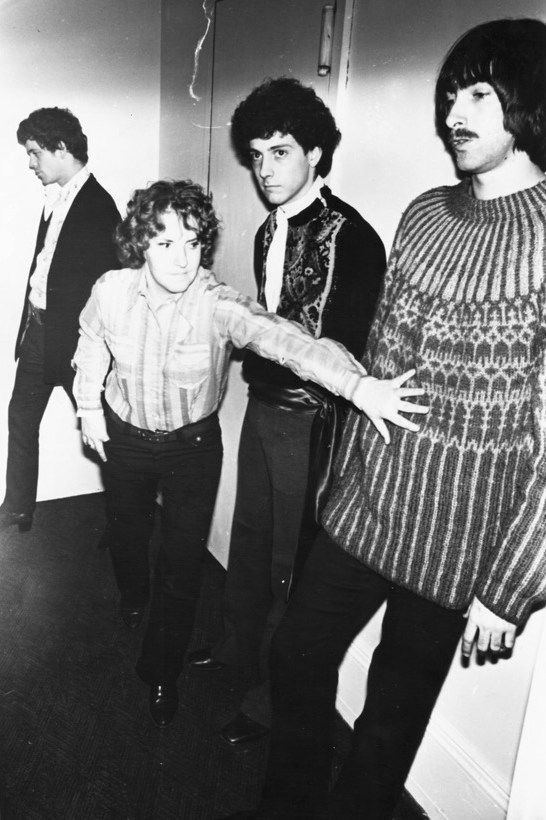



Members and musical characteristics
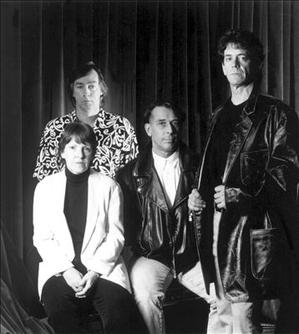
The classic lineup featured Lou Reed (vocals, guitar), John Cale (viola, bass, keyboards), Sterling Morrison (guitar), and Maureen Tucker (percussion). Reed contributed literate, often streetwise lyrics; Cale brought a background in experimental composition and unconventional instrumentation; Morrison added rock guitar foundations; and Tucker’s minimalist, driving drumming gave the band a stark rhythmic edge. Their sound blended rock and roll with noise, droning textures, feedback, and occasional studio experimentation.
History and recordings
The Velvet Underground formed in 1964 and came to wider attention through an association with artist Andy Warhol, who managed and promoted them for a period and suggested adding the German singer-model Nico to some early recordings. Their debut album, The Velvet Underground and Nico, initially sold poorly but is now widely regarded as a landmark record for its honesty and sonic daring. Subsequent albums — including White Light/White Heat, the self-titled The Velvet Underground, and Loaded — showcased shifts between raw experimentalism and more melodic, radio‑oriented songs. A later release under the band name, Squeeze, featured different personnel and is generally treated separately from the core group’s catalog.
Influence, reception, and legacy
Although the band’s contemporary commercial impact was limited, their long-term influence has been profound. Musicians and critics cite them as a touchstone for later movements that prized authenticity, economy of form, and a willingness to embrace noise and lyrical frankness. Members pursued notable solo careers — Lou Reed became a prominent solo artist and songwriter, and John Cale developed an influential body of work spanning classical, rock and experimental music. The Velvet Underground’s reputation grew steadily after their active years, and their albums are frequently included in lists of essential recordings for the development of modern rock.
Notable aspects and distinctions
- Early association with the New York art world and Andy Warhol helped shape their image and presentation.
- Lyrical topics were often unconventional for the time, addressing drug use, urban life, and complex characters.
- Musical techniques included drone, sustained feedback, minimal percussion, and the use of electric viola.
- The band’s influence has been described as disproportionate to their initial sales, inspiring later scenes from punk to indie rock.
Further reading and references
- Overview and band profile
- Discography and album notes
- Biographical sketch and timeline
- Origins and early years (1964–1966)
- Lou Reed: role and later career
- John Cale: experimental contribution
- Sterling Morrison: guitar work and legacy
- Maureen Tucker: percussion style
- Andy Warhol and the Factory association
- Nico: collaboration on the debut album
- Cultural impact and critical reassessment
- White Light/White Heat (1967) details
- The Velvet Underground (1969) context
- Loaded (1970) and songs aimed at broader audiences
- Squeeze (1973) and later releases
Related articles
Author
AlegsaOnline.com The Velvet Underground: an overview of the band, music, and legacy Leandro Alegsa
URL: https://en.alegsaonline.com/art/99045