
Lou Reed — Musician, Songwriter and Cultural Influencer
Lou Reed (1942–2013) was an American rock singer, songwriter and guitarist, leader of the Velvet Underground and a solo artist known for candid lyrics, experimental sound and wide influence.
Lou Reed (March 2, 1942 – October 27, 2013) was an American rock musician, singer, songwriter and guitarist whose work spanned avant-garde experiments and accessible pop songwriting. Born on Long Island and based for much of his life in New York City, he is best known as the chief songwriter and frontman of the Velvet Underground and for a long, varied solo career.
Image gallery
9 Images



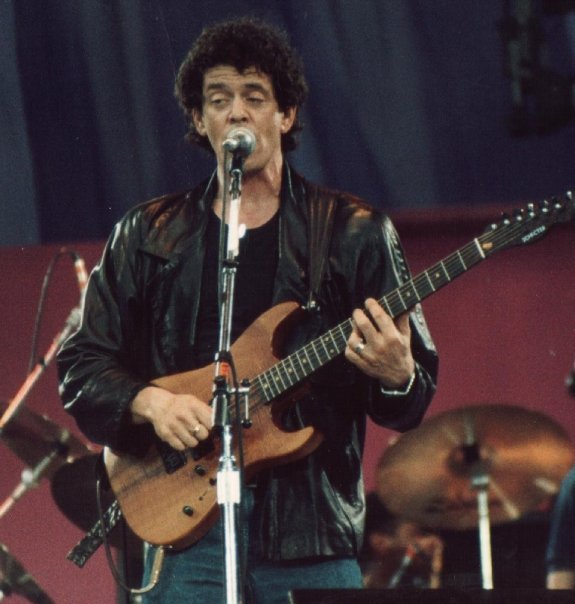
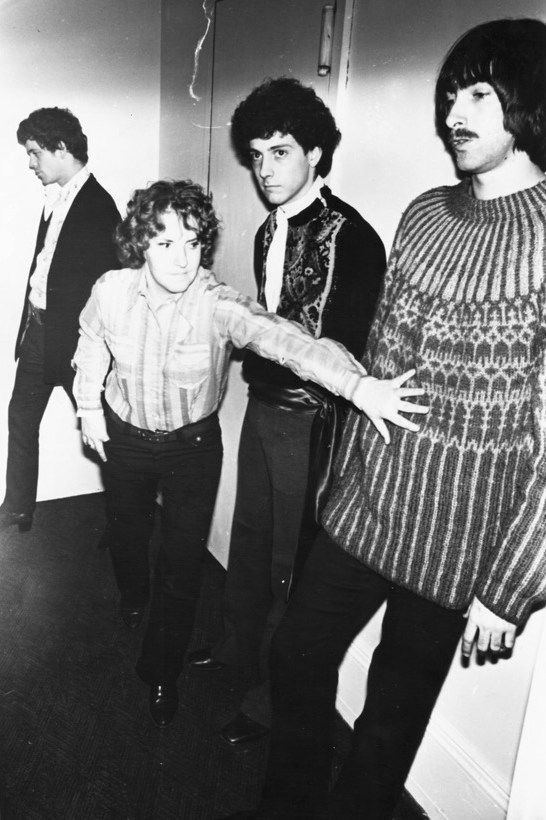
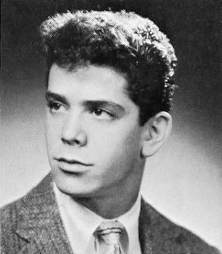
Musical style and themes
Reed combined terse, conversational vocal delivery with guitar work that ranged from clean, melodic lines to abrasive feedback and drone. His lyrics often treated urban life, marginalized characters, sexuality, drug use and personal narrative with clinical directness and literary detail. This blend of street-level storytelling and experimental textures helped create a vocabulary later adopted by punk, indie and alternative artists.
Career and major works
After establishing himself with the Velvet Underground, Reed launched a solo career that produced both charting songs and controversial experiments. His catalogue includes quieter, song-focused records and deliberately challenging releases that tested listeners' expectations. Famous solo tracks have entered popular consciousness and radio playlists, while other projects pushed the boundaries of studio sound and performer identity.
- Notable solo songs and records span accessible singles and ambitious albums that alternate between pop craft and noise/experimental approaches.
- Some releases have become canonical examples of candid songwriting; others are cited as early examples of extreme studio experimentation in rock.
Velvet Underground and associations
The Velvet Underground, with Reed as principal writer, achieved modest commercial success at first but was quickly recognized by critics and fellow musicians for its influence. The band’s work blended art-minded experimentation with narratives drawn from city life. Reed’s association with artist Andy Warhol helped bring visual art sensibilities and a wider creative network to the group’s profile. Reed remained linked to the New York art scene throughout his career.
Later life, collaborations and public image
Reed continued to record, tour and collaborate for decades, working with a range of musicians, producers and artists. He appeared in projects that revisited earlier songs, created new arrangements, and explored spoken-word and orchestral textures. His personal and professional partnerships, including later collaborations with other prominent performers, shaped public perception of him as an uncompromising and singular artist.
Legacy
Lou Reed’s reputation rests on a dual legacy: as a songwriter who brought gritty, adult themes into popular song, and as an experimenter who expanded what rock music could sound like. Musicians across genres cite his direct lyrical voice and willingness to embrace both melody and noise as an important influence. His work is discussed in studies of 20th‑century popular music and continues to be revisited by critics, scholars and new generations of listeners.
More on Reed's life and archival material is available through music history resources and biographies that examine his work in the context of New York’s postwar culture and the evolving landscape of popular music.
Questions and answers
Q: Who was Lou Reed?
A: Lou Reed was an American rock musician known for his work with the Velvet Underground and his solo work.
Q: When was Lou Reed born?
A: Lou Reed was born on March 2, 1942.
Q: Where was Lou Reed from?
A: Lou Reed was originally from Long Island, New York.
Q: Where did Lou Reed spend most of his life?
A: Lou Reed spent most of his life in New York City.
Q: What is Lou Reed remembered for?
A: Lou Reed is remembered for his work with the Velvet Underground.
Q: Did Lou Reed release solo work?
A: Yes, Lou Reed released solo work in addition to his work with the Velvet Underground.
Q: Who was Lou Reed friends with?
A: Lou Reed was friends with artist Andy Warhol.
Related articles
Author
AlegsaOnline.com Lou Reed — Musician, Songwriter and Cultural Influencer Leandro Alegsa
URL: https://en.alegsaonline.com/art/125434