
The Wall (album)
The Wall is Pink Floyd's landmark 1979 concept double album — a rock opera about isolation, fame and trauma, noted for its theatrical live shows, film adaptation and enduring cultural impact.
Overview
The Wall is the eleventh studio album by the English progressive rock band Pink Floyd. Issued as a double album, it presents a continuous narrative that follows an embittered, alienated protagonist and uses the image of a metaphorical wall to examine isolation, loss and psychological collapse. The album is widely regarded as a major artistic statement in the band's catalog.
Image gallery
5 Images


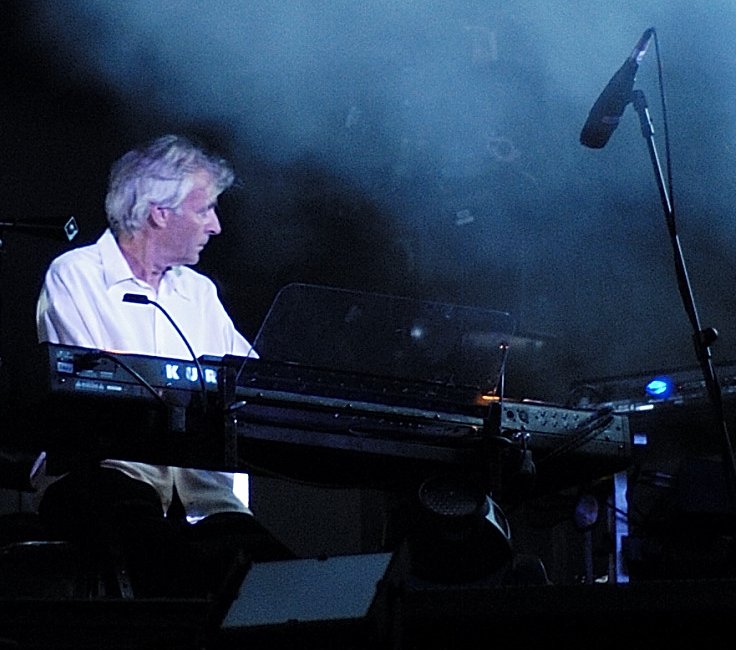
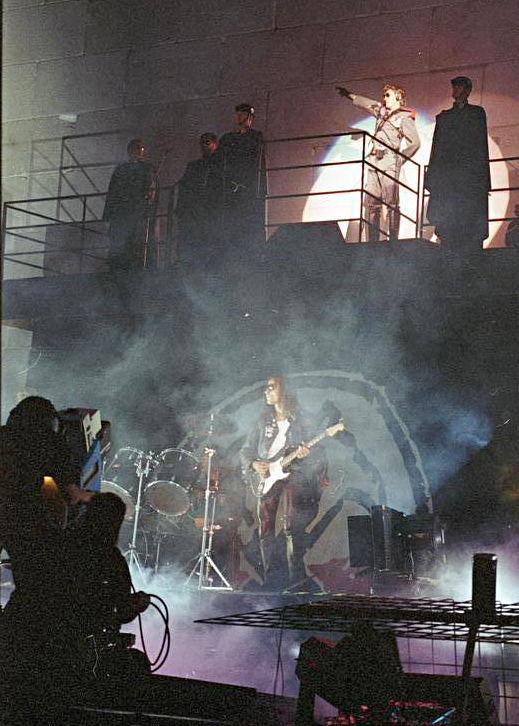
Themes and musical structure
The work functions as a rock opera: songs and short interludes are arranged to tell a story rather than to stand alone. Central themes include childhood abandonment, oppressive schooling, the effects of war, fame and the construction of emotional barriers. Musically, the record mixes guitar-driven rock, orchestral arrangements, spoken-word passages and studio effects to create a theatrical, cinematic atmosphere.
Notable songs and elements
- "Another Brick in the Wall (Part 2)" – recognizable for its choir-like chorus and critique of rigid schooling.
- "Comfortably Numb" – a contrasted duet of numbness and recollection, often cited for its guitar solos.
- "Hey You" and other pieces that develop the protagonist's isolation and attempts at contact.
Creation, production and adaptations
The album was chiefly developed by the band's primary lyricist and conceptual lead; production combined band members with an external producer and studio collaborators. The conceptual and visual dimensions were expanded through striking artwork and animation from a long-term visual collaborator. The music was adapted into a feature film in the early 1980s, which translated the album's narrative into a striking mixture of live action and animation.
Live performances and legacy
On tour, the project was realized as a theatrical spectacle that included the construction of a physical wall onstage to separate performers from the audience, underlining the album's themes. Subsequent large-scale performances and televised events helped sustain its cultural presence. The Wall is frequently discussed in histories of popular music as a defining example of the concept album and of ambitious stagecraft in rock.
Significance and distinctions
Distinct from standard studio albums of its era, this release is notable for its continuous narrative, dramatic staging and cross-media adaptations. It marked a turning point in the band's internal dynamics and remains a reference point for artists exploring narrative cohesion, theatrical presentation and social commentary in popular music.
Related articles
Author
AlegsaOnline.com The Wall (album) Leandro Alegsa
URL: https://en.alegsaonline.com/art/99069