
The Tonight Show Starring Johnny Carson
Long-running American late-night talk show hosted by Johnny Carson from 1962 to 1992, known for its influential format, recurring characters, and cultural impact on television comedy.
Overview
The Tonight Show Starring Johnny Carson was an American late‑night talk show that defined a generation of television comedy and interview formats. Part of The Tonight Show franchise, it was produced as a nightly program and is frequently cited as the model for later late‑night programs. The series premiered on October 1, 1962 and continued until May 22, 1992, establishing long‑term audience expectations for monologues, guest interviews, musical performances, and comedy sketches.
Image gallery
9 Images


Format and recurring elements
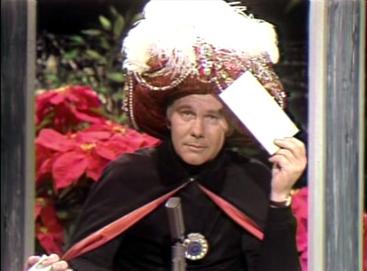
Carson’s program followed a consistent structure that influenced subsequent talk shows. Episodes typically opened with a topical monologue, followed by one or more guest interviews and a musical or comedy performance. The show also featured recurring comedy bits and characters that became signature elements: for example, Carson’s mystical parody Carnac the Magnificent, the blue‑collar character Floyd R. Turbo, and his occasional impersonations of public figures such as Ronald Reagan.
The show relied on a stable ensemble of performers and production staff. Ed McMahon served as Carson’s on‑air announcer and long‑time sidekick, while bandleader Doc Severinsen led the house orchestra and frequently interacted with Carson on camera. Behind the scenes, producers such as Peter Lassally shaped the program’s editorial rhythm and guest selection.
History and production
The series began production in New York at Thirty Rockefeller Plaza in New York City, reflecting the network’s centralized television operations of the era. In 1972 the program moved west to a new studio complex in Burbank, California, where it continued for the remainder of Carson’s tenure. Across its thirty years on air, the show evolved with changes in broadcast technology, celebrity culture, and television scheduling while maintaining a recognizable nightly format.
Notable segments and contributors
- Carnac the Magnificent: a comedic sketch in which Carson, in character, revealed answers sealed in envelopes and then produced the corresponding punchlines.
- Interview segments: a mix of movie and music promotion, political figures, and cultural conversations that combined promotional needs with genuine reportage.
- Musical performances: the house orchestra and guest artists provided variety and pace to the program.
- Regular contributors: aside from Ed McMahon and Doc Severinsen, a core team of writers, producers and side performers sustained the nightly production.
Legacy and cultural importance
The Tonight Show Starring Johnny Carson is widely regarded as one of television’s most influential talk shows. It helped to codify the late‑night talk format and launched or boosted the careers of numerous comedians and performers. In 2002 the program was placed high on retrospective lists of greatest television shows. Scholars and critics point to Carson’s timing, interview style, and ability to blend comedy with conversation as central to the program’s lasting reputation. For additional context on the series and its place within American television history, see resources linked to the franchise and to Carson’s career: talk show history, franchise overview, and biographical or production references at the anchors above.
Further reading
The show’s complete run, archival clips, and retrospective commentary are discussed in many broadcast histories and documentary accounts. Interested readers can follow network and archival guides for episode lists, interviews with staff such as Peter Lassally, and profiles of on‑air contributors including Ed McMahon and Doc Severinsen. The Tonight Show’s role in shaping late‑night television remains a frequent subject of study and popular retrospectives.
Related articles
Author
AlegsaOnline.com The Tonight Show Starring Johnny Carson Leandro Alegsa
URL: https://en.alegsaonline.com/art/98999
Sources
- cjayarts.com : "The Man Who Retired"
- cbsnews.com : "TV Guide Names Top 50 Shows"