
Talk show: format, history, hosts, and cultural role
Overview of talk shows — live and recorded programs on radio, television and online that feature hosts, guests, audience interaction, and formats ranging from interviews to panel debates.
A talk show is a broadcast or streamed program in which one or more hosts guide conversation with guests, panelists or members of the public. Talk shows appear on radio, television and digital platforms. They are produced in many styles and lengths, from brief topical segments to multi-hour live broadcasts. While entertainment is a common aim, talk shows also function as forums for news analysis, cultural discussion, advice, and community interaction.
Image gallery
5 Images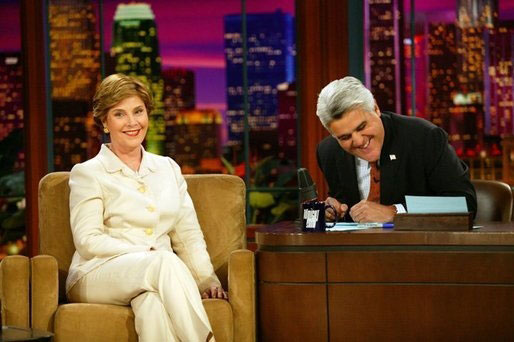




Typical format and features
Formats vary widely, but common structural elements include an identifiable host or hosting team, invited guests, and an opening segment that sets the theme for the episode. Interaction with the audience is often important: producers may invite participation through telephone calls, written correspondence or e-mail, and increasingly through social media or Internet platforms and chat. Shows may be recorded in a studio with a live audience or produced remotely and edited before broadcast. Some talk shows are produced for a single local outlet; others are distributed more widely by a network or syndication.
Hosts, guests and roles
Hosts can be journalists, entertainers, subject-matter experts, or personalities who develop a following. A successful host often combines interviewing skill with an ability to shape conversation and manage disagreements. Guests range from public figures and subject experts to ordinary people with noteworthy experiences — for example, specialists in fields like psychology or business, inventors and innovators (inventors), writers and creators (authors), performers and athletes, and individuals who have come to attention because of accidents, disasters or unusual events (disaster accounts). A host may already be a celebrity, or the program may make the host well known.
Historical development
Talk shows trace their roots to early spoken-word radio programs that mixed interviews, commentary and listener participation. With the rise of television, the format adapted to visual presentation and studio audiences, expanding into daytime, prime-time and late-night variants. In recent decades the genre has further diversified: cable and satellite channels created niche political, entertainment and lifestyle programs, while the internet enabled on-demand and live-streamed talk formats, including podcasts and video streams, which borrow the conversational structure of traditional talk shows.
Functions, value and criticism
Talk shows can inform audiences, introduce expert perspectives, provide advice, and shape public conversation about current events. They are widely used for promotion — authors, artists and public figures appear to introduce new work — and for civic engagement, when discussions focus on policy or community concerns. Critics point out that some talk shows prioritize sensationalism, oversimplification or entertainment value over balanced analysis; good production and ethical standards can help maintain credibility.
Common subtypes
- Interview-led: a single host conducts extended conversations with guests.
- Panel discussion: multiple guests and a moderator discuss an issue.
- Call-in or advice shows: audience participation drives the content.
- Variety or performance: combines interviews with comedy, music or demonstrations.
- Political or issue-focused: centers on news, debate and commentary.
Across media, the talk show remains a flexible format that adapts to technological change and audience habits, continuing to serve both entertainment and informational roles in public life.
radio | television | telephone | e-mail | Internet | chat | network | celebrity | psychology | business | inventors | authors | disaster
Questions and answers
Q: What is a talk show?
A: A talk show is a radio or television program where one or more hosts discuss current issues or other topics with guests. It can also involve members of the public joining in through telephone calls, letters, e-mail and Internet chat.
Q: What are the purposes of talk shows?
A: Talk shows can be meant to entertain, featuring comedy or entertainers performing, but they may also do a public service by informing the public and discussing issues openly.
Q: How are talk shows broadcasted?
A: Some talk shows are locally based and serve only one station's audience, while others become syndicated and play on many stations, or are broadcast by a regional or national network.
Q: Who typically hosts a talk show?
A: The host of a talk show may already be a celebrity, or may become one as their show becomes popular. They could also be professionals or experts in a field of knowledge such as psychology or business, well-known performers who can converse well with others, etc.
Q: Who typically appears as guests on talk shows?
A: Guests on a talk show may include experts in fields of knowledge or work, longtime professionals, new and familiar celebrities, performers or athletes. Sometimes guests are members of the public who do something that interests others such as inventors and authors; someone who comes to public attention through disaster/mishap; etc.
Q: Are there any risks associated with appearing on talk shows?
A: Yes - appearing on a live television/radio program carries certain risks such as being misquoted by the media; having your words taken out of context; being subject to criticism from viewers/listeners; etc.
Related articles
Author
AlegsaOnline.com Talk show: format, history, hosts, and cultural role Leandro Alegsa
URL: https://en.alegsaonline.com/art/96133