
The Tale of Genji: an overview of Japan's Heian-era classic
An accessible article on The Tale of Genji: authorship, structure, themes such as mono no aware, historical background, translations, and its cultural influence in Japan and beyond.
Overview
The Tale of Genji (Genji Monogatari) is a long fictional work from Japan's Heian period, traditionally attributed to the court lady Murasaki Shikibu. Composed in the early 11th century, it narrates the life, loves, and fortunes of Hikaru Genji and his descendants across many chapters. The narrative is notable for its sustained psychological observation of characters, its depiction of courtly life, and an aesthetic sensitivity to transience that has shaped how the work is understood.
Image gallery
10 Images






Structure and main characteristics
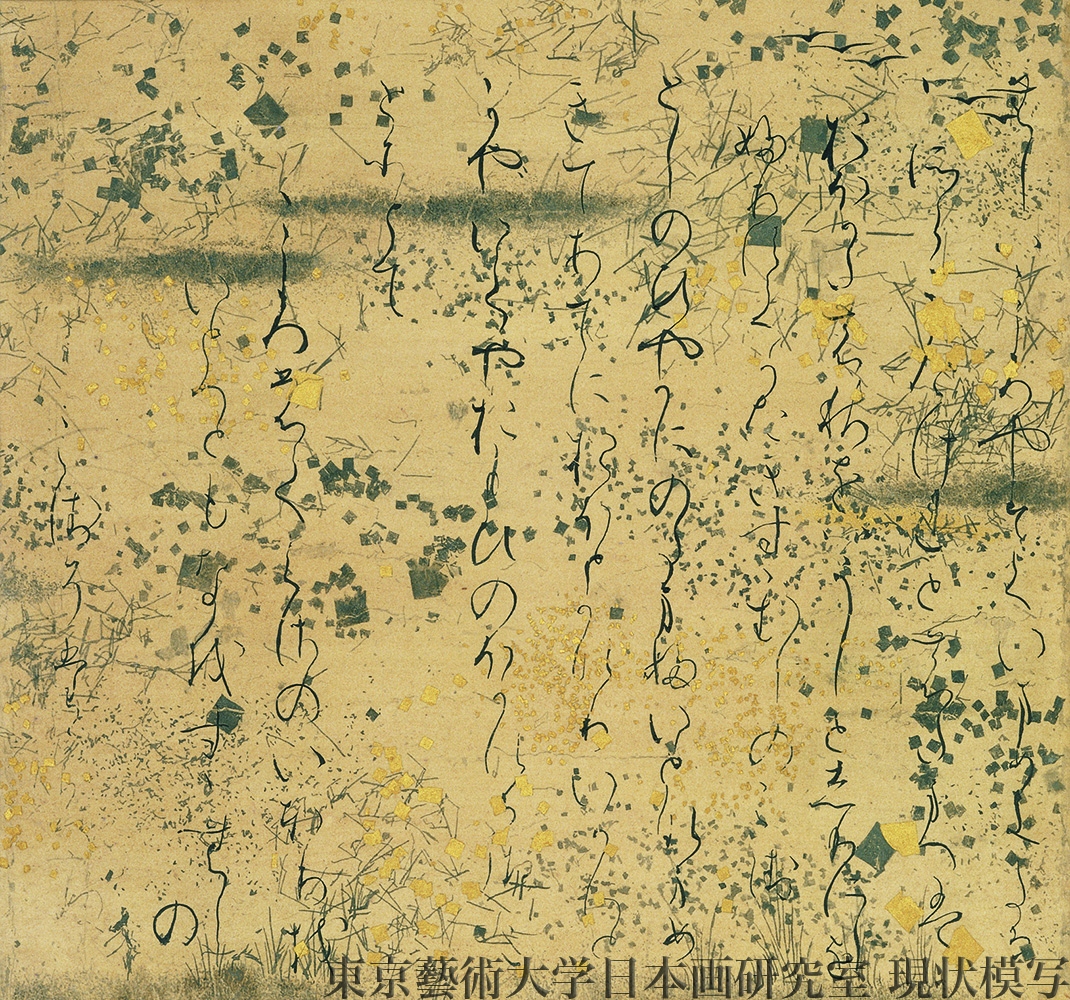
The Tale of Genji belongs to the classical Japanese monogatari (tale) tradition but stands out for its length, continuity, and interior focus. The work is commonly divided into discrete chapters that follow a chronological arc while emphasizing moods and moments rather than plot mechanics. Key characteristics include refined court etiquette, poetic exchange, seasonal imagery, and a recurring concern with impermanence and feeling.
Themes and aesthetic importance
A central concept often used to interpret Genji is mono no aware, a phrase popularized by later scholars to express empathetic awareness of the ephemeral. The Tale of Genji explores love and loss, the social constraints of rank and gender, and the moral ambiguities of desire. Its use of poetry within prose and its attention to subtle shifts in emotion make it a foundational text for later Japanese aesthetic thought.
Historical context and authorship
Murasaki Shikibu is conventionally identified as the author, a noblewoman and lady-in-waiting whose educated use of kana script helped broaden literary expression in a court culture dominated by Chinese writing for official affairs. The Heian court setting—replete with ceremonies, robes, music, and seasonal observances—provides the social matrix for the characters and underscores how status and etiquette shape relationships.
Translations, reception, and critical debate
From the late 19th century onward The Tale of Genji attracted translational and scholarly attention worldwide. English renditions vary in style and completeness: some early translators presented abridged or interpretive versions, while later translators sought fuller and more literal renderings. Debates continue about calling Genji the "world's first novel": the claim highlights its early date and narrative unity but also invites discussion about definitions of the novel across cultures.
Influence and legacy
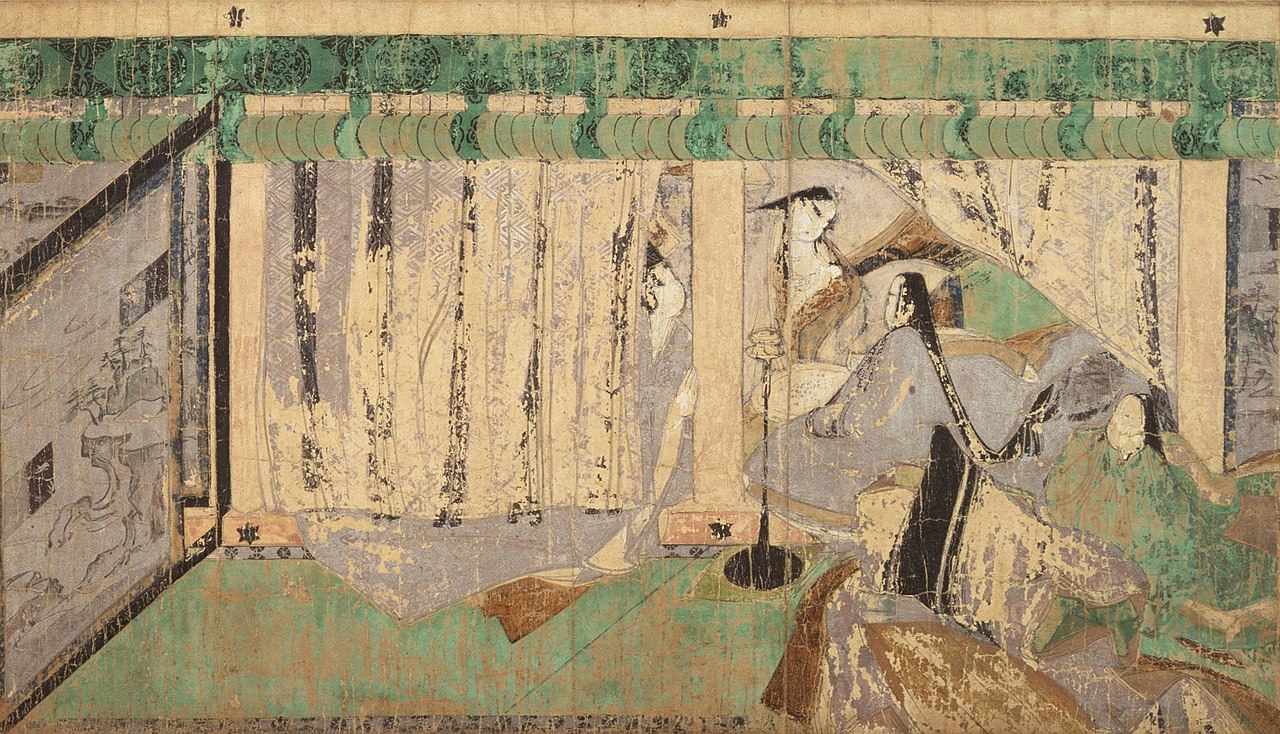
Genji has had a lasting presence in Japanese visual arts, theatre, and popular culture: illustrated handscrolls, folding screens, Noh and kabuki adaptations, and modern novels and films draw on its characters and motifs. Academically, it remains a cornerstone for studies in classical Japanese literature, gender and court life, and literary aesthetics. Museums and exhibitions devoted to Genji underscore its continuing cultural resonance.
Further reading and resources
- General introduction to The Tale of Genji
- Overview of classical Japanese literature
- Information about Murasaki Shikibu
- Biographical and cultural context for the author
- Late Old Japanese and the language of the Heian era
- Discussion of the "first novel" claim
- Motoori Norinaga and early modern readings
- Explanations of the term mono no aware
- Suematsu Kencho's translation and its history
- Jakucho Setouchi's modern translation
- Arthur Waley's influential rendering
- Edward Seidensticker and Royall Tyler: later English editions
Note: This article summarizes broadly accepted facts about The Tale of Genji and its importance. For detailed textual study, consult scholarly editions and annotated translations, which examine linguistic, historical, and manuscript issues in depth.
Related articles
Author
AlegsaOnline.com The Tale of Genji: an overview of Japan's Heian-era classic Leandro Alegsa
URL: https://en.alegsaonline.com/art/98952
Sources
- books.google.com : "Genji-monogatari"