
Murasaki Shikibu: author of The Tale of Genji and Heian court writer
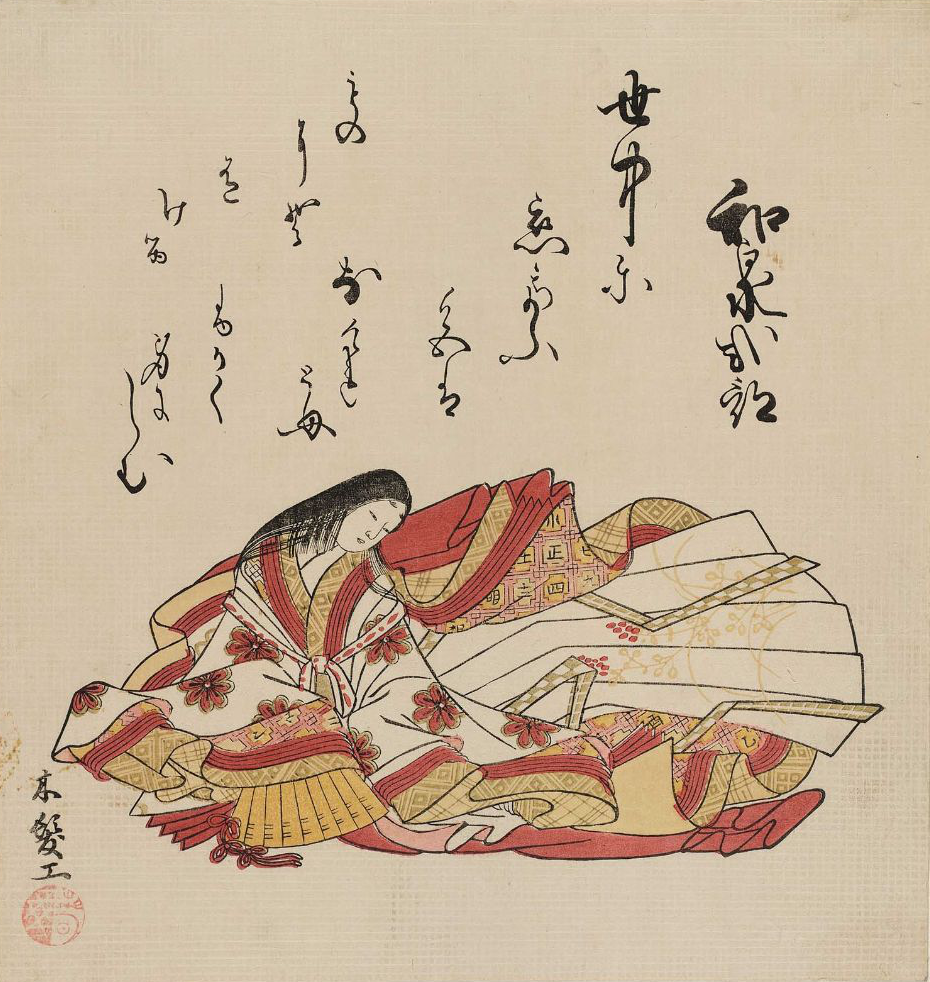
Murasaki Shikibu (c. 973–c. 1020) was a Japanese Heian-period novelist, poet, and court lady, best known for composing The Tale of Genji and a personal diary that illuminate court life.
Overview
Murasaki Shikibu (紫式部, c. 973–c. 1020) was a prominent writer, poet and lady-in-waiting of Japan's Heian court. She is most widely remembered as the principal author of The Tale of Genji, a long narrative often described as an early example of the novel form in world literature. Her work and diaries provide one of the richest surviving accounts of aristocratic life, aesthetics and interpersonal politics in early eleventh-century Japan. For background on naming conventions see Japanese naming and for studies of her language and period see Heian studies.
Image gallery
10 Images


Life and name
She is commonly called Murasaki Shikibu, a sobriquet rather than a personal name. "Murasaki" likely refers to the heroine in her novel and to the color violet, while "Shikibu" derives from her father's rank in the Ministry of Ceremonies. Her true given name was not recorded in surviving documents. Biographical details are reconstructed from court diaries and genealogies: she was probably the daughter of the scholar-official Fujiwara no Tametoki and received an unusually high level of literary education for a woman of her time, including reading classical Chinese. Scholarship on her family and court role is available via genealogical sources and court records.
Major works and style
- The Tale of Genji — an extended prose narrative that follows the life and romances of Hikaru Genji and later generations, noted for psychological depth, refined depiction of court ritual and an aesthetic sensibility sometimes called mono no aware (an awareness of transience).
- The Murasaki Shikibu Diary — a personal record of court life, acquaintances, ceremonies and literary circles that complements the fictional world of Genji with concrete social detail.
- Poems — she composed waka that appear in her diary and other anthologies; these short lyric poems were an essential medium of Heian communication and literary exchange.
Her prose style blends detailed observation with elegant, subtle emotion. She wrote in the kana syllabary commonly used by women of the period, and her work reflects familiarity with Chinese classics alongside native poetic forms. For textual and edition histories consult textual studies and translation histories.
Historical context and influence
The Heian period was a court-centered culture where literary skill determined reputation and social connection. Murasaki's writings preserve ceremonies, fashions, seasonal customs and modes of address that shaped aristocratic life. Her novel influenced later Japanese narrative, theatre and visual arts, and it has attracted international scholarly attention and many translations. For exhibitions and cultural reception see museum resources and modern adaptations.
Legacy and notable facts
Murasaki Shikibu is often cited as one of the greatest writers in Japanese literature. The Tale of Genji is celebrated for its narrative complexity and human insight, and the author's diary is prized by historians for its eyewitness detail. Because her personal name is unknown, modern references rely on the conventional sobriquet; this naming is discussed in introductions and reference works such as encyclopedic entries and specialized studies at academic portals. Her life and works remain central to studies of gender, literary form and Heian culture.
Related articles
Author
AlegsaOnline.com Murasaki Shikibu: author of The Tale of Genji and Heian court writer Leandro Alegsa
URL: https://en.alegsaonline.com/art/67598