
The Stanley Hotel — Historic Colorado Resort and Inspiration for The Shining
Early 20th‑century Colonial Revival resort in Estes Park, Colorado, built by F.O. Stanley; on the National Register of Historic Places and widely known as the inspiration for Stephen King's The Shining.

Overview
The Stanley Hotel is a large Colonial Revival resort located in Estes Park, Colorado, near the eastern entrance to Rocky Mountain National Park. Opened on July 4, 1909, the property was developed by inventor and entrepreneur Freelan Oscar Stanley as a mountain retreat and luxury resort. With more than a hundred guest rooms in its historic main building and associated structures, the hotel has served as both a seasonal destination for travelers and a health-oriented retreat in its early years.
Image gallery
10 Images


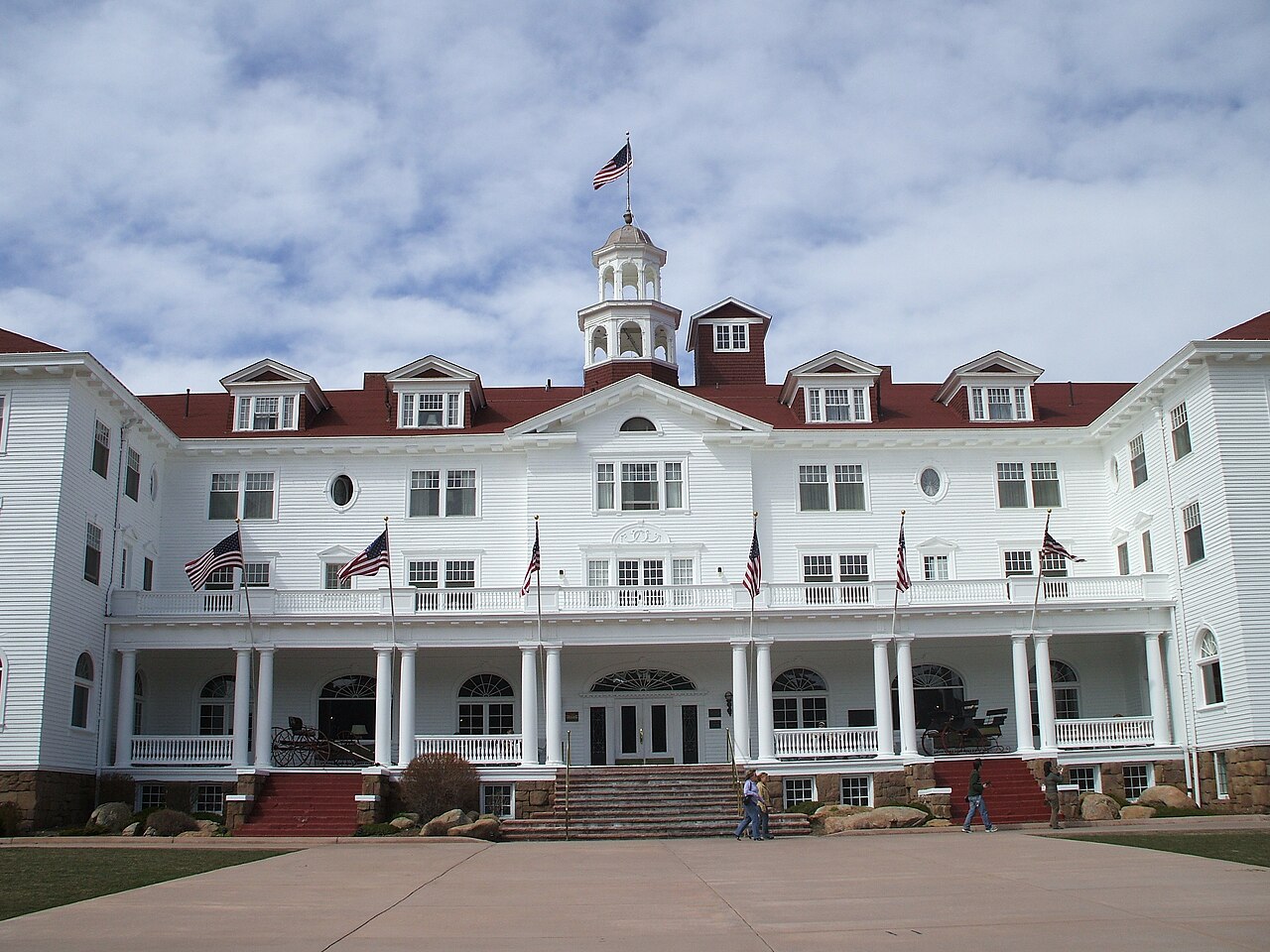
Architecture and setting
The main building displays hallmarks of Colonial Revival design—symmetry, classical detailing and an imposing, hospitable façade—sited to take advantage of mountain views and cool summer air. Its grand porches, long corridors and period interior finishes reflect the comforts expected by well‑heeled guests in the early 20th century. The hotel sits a short distance from the park boundary, about five miles from the entrance to Rocky Mountain National Park, which contributes to its appeal as a base for outdoor recreation and scenic drives. Visitors can learn more about the town and local services via Estes Park information.
History and development
Freelan O. Stanley—co‑founder of the Stanley Motor Carriage Company, promoted for producing the Stanley Steamer—financed and built the hotel as both a summer resort for affluent city residents and as a place with cleaner air for those affected by pulmonary illnesses of the era. The hotel opened at the height of Colorado’s early tourism boom and later evolved through several ownerships and renovations. The property and its associated buildings are recognized for their historic significance and are listed on the National Register of Historic Places; official registration and preservation materials are available through the National Register.
Cultural impact: The Shining and popular media
The Stanley became widely known beyond architectural and local history circles because it inspired parts of Stephen King’s novel The Shining. King stayed at the hotel during a period of convalescence and later described the building’s atmosphere and isolated mountain setting as influencing his depiction of the fictional Overlook Hotel. The Stanley subsequently served as a filming location for the 1997 television miniseries adaptation of the novel; more on King and adaptations can be found at Stephen King resources and a note about the miniseries is available via The Shining (miniseries).
Uses, visitor experience, and reputation
Today the Stanley operates as a historic hotel and event venue, offering overnight accommodations, guided tours, and seasonal programming that highlight both its heritage and its connections to popular culture. The property promotes tours that discuss the founder, the hotel’s early role as a health retreat, and its literary associations; visitors can find reservation and tour details through the hotel’s official channels and community pages, such as information about Freelan O. Stanley and local visitor resources at historic business profiles.
Notable facts and distinctions
- The Stanley’s early marketing emphasized clean mountain air and amenities for wealthy urban guests.
- Its historical use included care and respite for people with pulmonary conditions, a common practice in mountain resorts of that era; see general public health histories referenced at tuberculosis and mountain sanitariums.
- In addition to its literary fame, the property is a protected historic site and maintains many original design features while accommodating modern hospitality services.
Whether visited for its architecture, alpine location, literary connection or reported hauntings, the Stanley Hotel remains a prominent Colorado landmark, combining historical significance with an active role in contemporary tourism and cultural memory.
Related articles
Author
AlegsaOnline.com The Stanley Hotel — Historic Colorado Resort and Inspiration for The Shining Leandro Alegsa
URL: https://en.alegsaonline.com/art/98895
Sources
- legendsofamerica.com : "The Haunted Stanley Hotel in Estes Park, Colorado"
- theattic.space : "The Steamer, "The Shining," and the Stanley Hotel"