
The Spanish Tragedy
A foundational Elizabethan revenge tragedy by Thomas Kyd, notable for its ghost, play-within-a-play, and influence on later dramatists including Shakespeare.
The Spanish Tragedy is an influential Elizabethan revenge tragedy traditionally attributed to Thomas Kyd. Written in the 1580s and first acted in the years that followed, it became one of the most popular and copied plays of its era. The drama centers on grief, retribution, and theatricality, and it helped define elements later associated with the revenge play.
Image gallery
3 Images

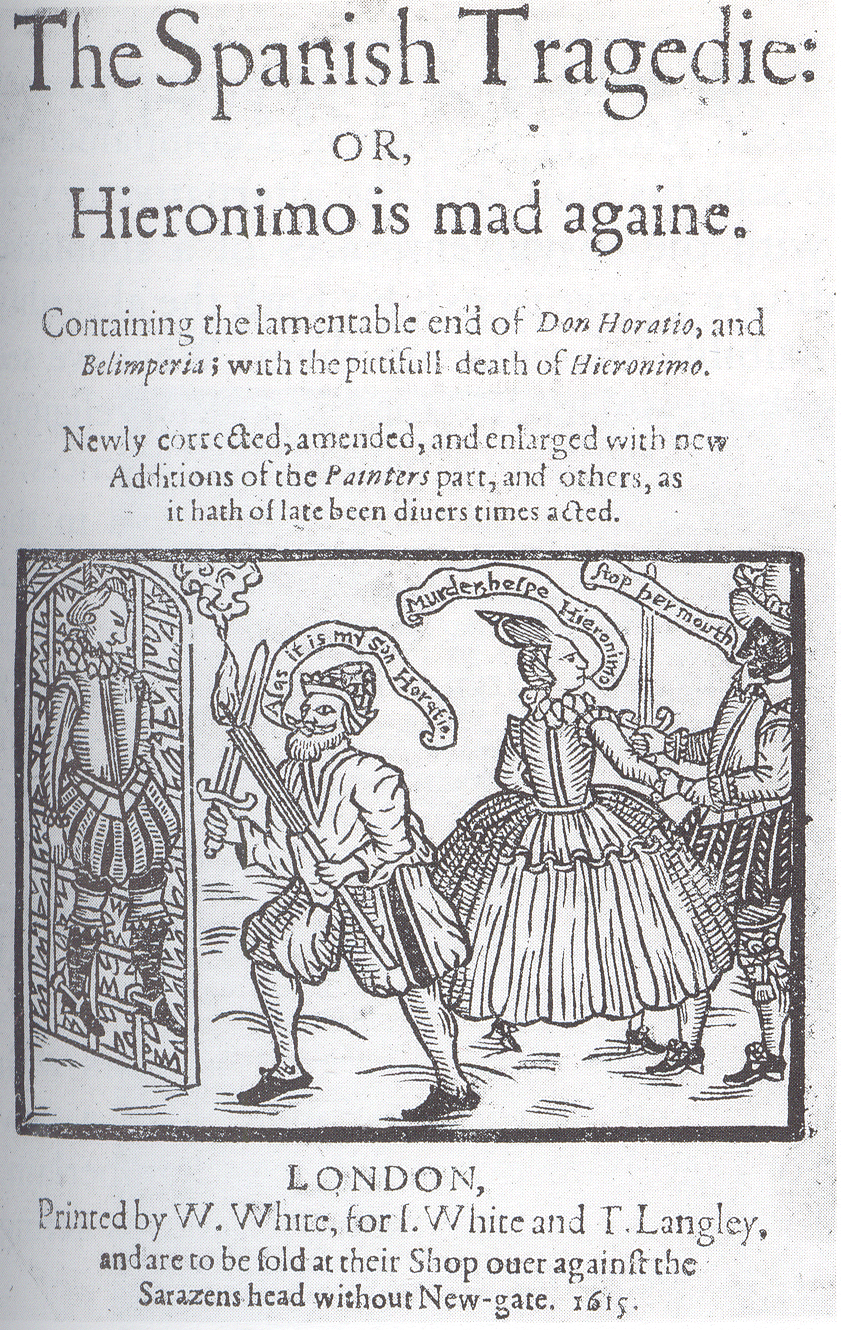
Overview and structure
The play combines public spectacle and private anguish. A ghost opens the action and frames the long cycle of vengeance that drives the plot. The protagonist, Hieronimo, a Spanish official, moves from shock and legal complaint into elaborate planning for revenge. The play famously uses a play-within-a-play device and culminates in a violent and theatrical denouement that stages justice outside the courts.
Characters and notable features
- Hieronimo — the aggrieved father and central avenger
- Horatio — Hieronimo's murdered son
- Bel-Imperia — a noblewoman entangled in the events
- Lorenzo and Balthazar — noblemen implicated in the crime
- Don Andrea — a martial figure whose ghost appears
Key dramatic techniques include spectral commentary, moral ambiguity, extended plotting, counterfeit madness, and staged theatrical killings. These devices influenced the tone and structure of later tragedies.
History and reception
Though its exact date of composition is uncertain, contemporary references indicate the play was well known by the late 1580s. Ben Jonson alluded to it in later writing, a sign of its prominence on the Elizabethan stage. It enjoyed numerous revivals and printed editions, and its popularity helped spread the revenge-play form across England.
Influence and legacy
Scholars credit the play with shaping a range of dramatic conventions: the use of a vengeful protagonist, dramatic irony, and metatheatrical scenes. Many critics see echoes of its structure and devices in later works by contemporaries and successors. For wider context on authorship and performance, see links to the play and to studies of Kyd and his contemporaries: The Spanish Tragedy (play), Thomas Kyd, and a reference to Ben Jonson's commentary Ben Jonson. Discussions of the play's broader influence appear in surveys of Elizabethan drama Elizabethan playwrights, and comparisons are often drawn with Shakespeare's Hamlet Hamlet.
Today the play is studied for its formative role in early modern tragedy and for its reflection of legal, aesthetic, and ethical concerns of Elizabethan society. Performances and critical editions continue to explore its blend of public spectacle and private despair.
Related articles
Author
AlegsaOnline.com The Spanish Tragedy Leandro Alegsa
URL: https://en.alegsaonline.com/art/98880