
The Tempest — Shakespeare’s late romance and island drama
A concise encyclopedia overview of William Shakespeare's The Tempest: plot, characters, themes, origins, performance history, and its cultural significance and adaptations.
Overview
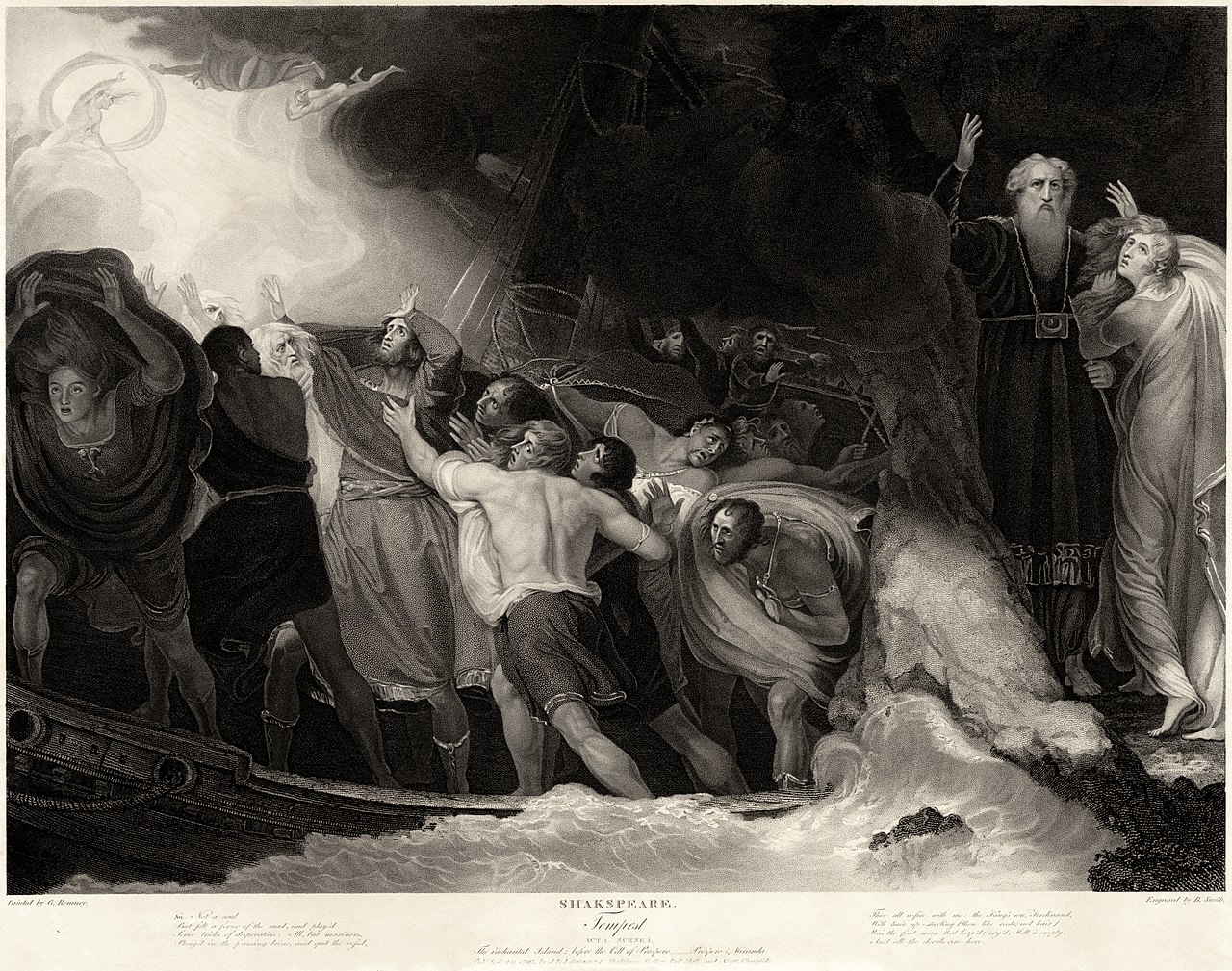
The Tempest is a late play by William Shakespeare, usually classified as a comedy or a romance. It opens with a dramatic storm that strands a royal party on a remote island and follows the attempts of the island’s ruler to resolve past wrongs, secure his legacy, and achieve reconciliation. The play blends dramatic action with elements of magic, music, and spectacle.
Image gallery
10 Images





Major characters and structure
Central figures include Prospero, a learned nobleman who rules the island by means of sorcery; Miranda, his daughter; Ariel, a supernatural spirit in his service; and Caliban, the island’s native inhabitant. The shipwrecked group is led by Alonso, a king, and his companions. The drama unfolds across five acts, moving from the violent opening storm to episodes of comic relief and ultimately to a resolution that emphasizes forgiveness and renunciation.
Themes and notable features
- Magic and authority: Prospero’s control of the island through books and spirits raises questions about knowledge, power, and governance.
- Colonial encounter: Interactions between Prospero, Caliban, and Ariel are frequently read as early dramatizations of contact, domination, and resistance.
- Forgiveness and reconciliation: The play culminates in a moral choice to forgive and to abandon supernatural means.
- Genre ambiguity: Though called a comedy, the work’s melancholic and fantastic elements align it with the later category of Shakespearean romances.
Origins, sources, and performance history
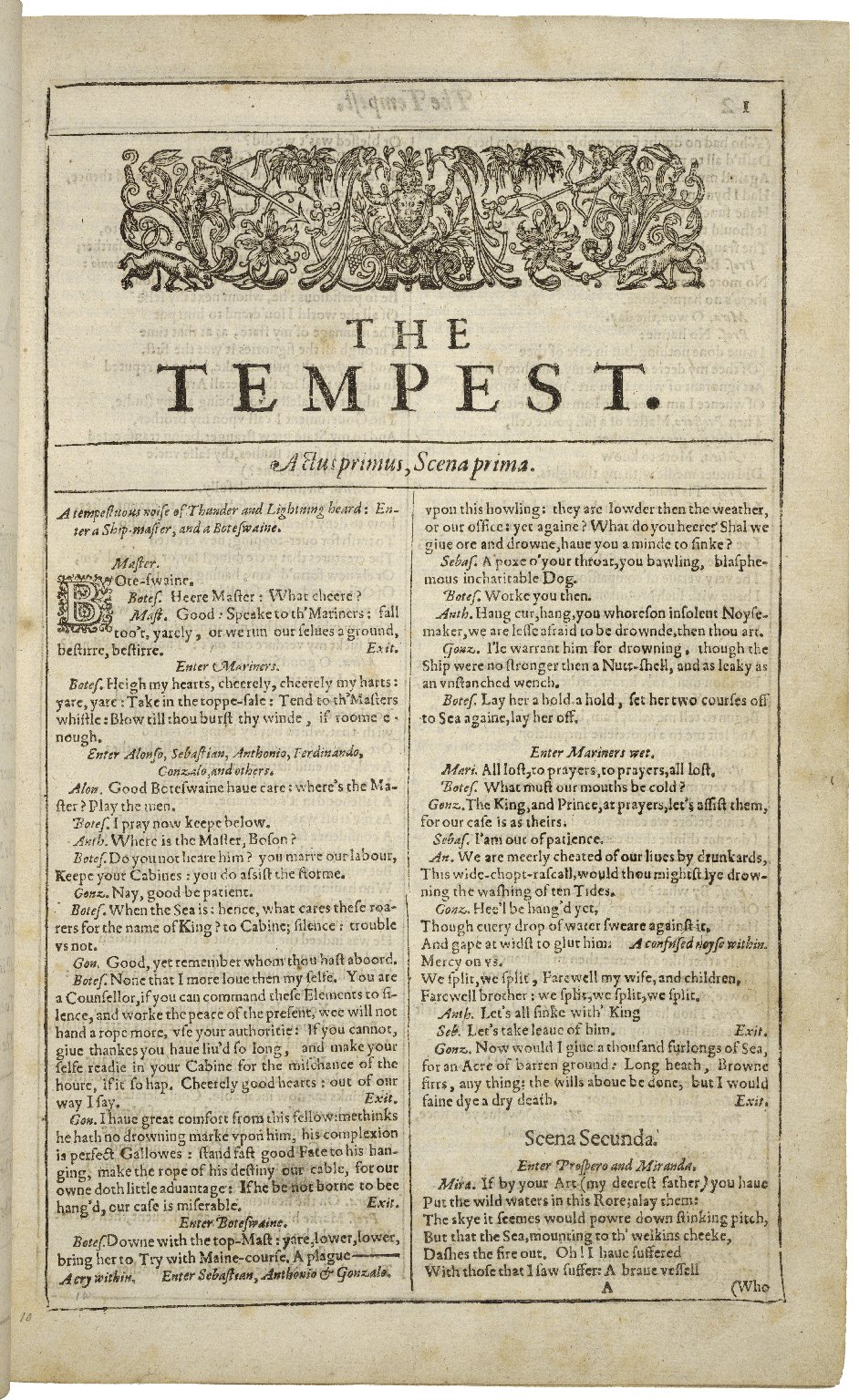
Unlike many of Shakespeare’s plays, The Tempest appears to draw less directly on a single preexisting narrative and more on a mixture of contemporary reports, classical motifs, and humanist writing. Scholars often point to early seventeenth‑century accounts of Atlantic voyages and shipwrecks as contextual influences. First staged in the early 1610s, it was included among Shakespeare’s plays in the First Folio and has remained a frequent choice for revival because of its theatrical richness.
Legacy and adaptations
The Tempest has inspired numerous adaptations across stage, opera, film, and literature. Directors emphasize different elements — the political or the mystical — and actors often highlight Prospero’s final renunciation of magic as a pivotal moment. The play is also widely studied for its treatment of power, identity, and colonization, and it continues to provoke varied artistic and scholarly responses.
Further reading and contexts
For introductions and editions, editions and critical studies remain useful starting points; general resources on Shakespeare and the history of theatre offer broader context. See entries linked for the playwright and for classification as a comedy for additional background.
Related articles
Author
AlegsaOnline.com The Tempest — Shakespeare’s late romance and island drama Leandro Alegsa
URL: https://en.alegsaonline.com/art/98963