
The Solitude of Latin America (Nobel Lecture by Gabriel García Márquez)
Gabriel García Márquez's 1982 Nobel lecture, 'The Solitude of Latin America,' examines the region's historical isolation, violence, cultural identity, and the moral role of writers.
"The Solitude of Latin America" is the English title commonly used for the Nobel lecture delivered by the Colombian novelist Gabriel García Márquez when he accepted the Nobel Prize in Literature in 1982. In the address he reflected on Latin America's long experience of marginalization and misunderstanding, and he considered how history, violence and foreign intervention shaped the region's social and imaginative life.
Image gallery
2 Images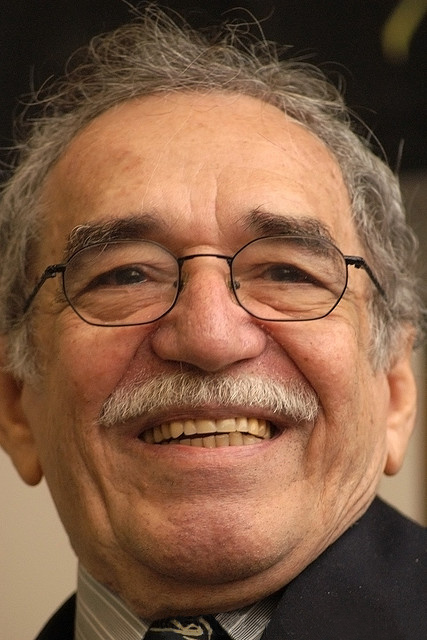

Themes and concerns
- Historical solitude: an extended sense of exclusion from dominant global narratives and institutions.
- Violence and memory: the lecture highlights how recurrent conflict and loss inform collective identity.
- The writer's duty: Márquez argued for literature as testimony and moral witness to realities that are otherwise ignored.
Rather than a dry political manifesto, the speech blends literary reflection with social critique. Márquez drew on the experience of towns and peoples often absent from official histories, insisting that solitude had many causes — colonial legacies, economic dependency and intermittent foreign interference — and that these causes left visible marks on everyday life and storytelling.
Context and significance
Given at the Nobel ceremony, the lecture arrived when Latin American letters were gaining international attention through the so-called "Boom" writers, of whom Márquez was a principal figure. His remarks connected the international success of Latin American fiction to a responsibility: to represent the region's complexities without reducing them to exotic stereotypes.
The speech has been widely reprinted and translated and is often cited in discussions about literature's social function and about Latin America's place in modern history. It remains a frequent reference point for scholars and readers who seek to understand how narrative art can engage with political and historical solitude.
Notable facts
- The lecture is a staple in anthologies on Latin American literature and on Nobel lectures more broadly.
- Márquez uses literary language and allusion rather than academic jargon, making the address accessible to general readers.
- Readers often link themes from the speech to Márquez's fiction, where memory, violence and magic-realist devices explore similar problems.
For additional biographical and textual information about Gabriel García Márquez and his Nobel lecture, see the author's profiles and collected texts available through academic and literary resources. The lecture continues to provoke discussion about how literature can respond to historical marginalization and how writers bear witness to the lives of their communities.
Related articles
Author
AlegsaOnline.com The Solitude of Latin America (Nobel Lecture by Gabriel García Márquez) Leandro Alegsa
URL: https://en.alegsaonline.com/art/98863