
The Stranger (novel)
A 1942 novel by Albert Camus, L'Étranger examines alienation, indifference, and the philosophy of the absurd through the detached narrator Meursault and his confrontation with death and society.
Overview
The Stranger (French: L'Étranger) is a short novel written by Albert Camus and published in 1942. Often called The Outsider in some English editions, it is widely associated with existentialist literature and frequently described as a key work that explores human indifference and moral ambiguity. The book is told in a lean, first‑person voice and centers on a protagonist whose emotional distance troubles the society around him.
Image gallery
2 Images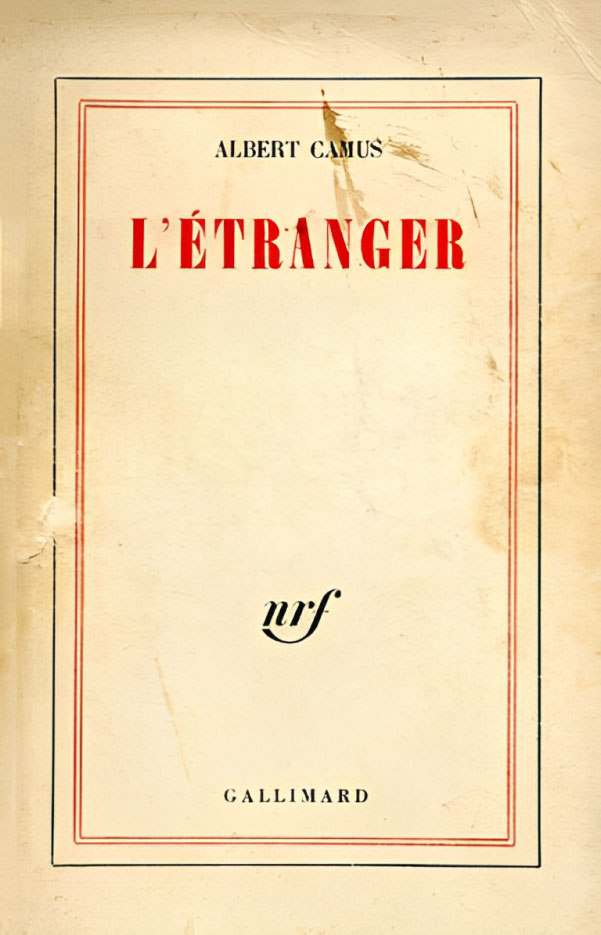

Plot and structure
The story follows Meursault, an Algerian Frenchman, through two halves: events before and after a pivotal killing on a beach. Early scenes include his reaction to his mother's death and everyday routines; later sections focus on the shooting of an Arab man, the ensuing arrest, and a trial that emphasizes the character's emotional detachment more than the act itself. Camus' plain prose and tight chronology underscore the narrator's perspective.
Themes and style
Major themes include the absurdity of existence, personal indifference, the social construction of meaning, and the confrontation with death. The novel is often discussed for its stripped language, moral ambiguity, and capacity to provoke questions about value and responsibility. Critics note its engagement with broader philosophical questions rather than offering systematic doctrine.
History and reception
Since its 1942 appearance, the work has been influential in literature and philosophy. Initially controversial for its perceived coldness, it later became canonical, studied in schools and debated by scholars. It has been variously interpreted in postcolonial readings because of its Algerian setting and in existentialist and absurdist frameworks.
Legacy and adaptations
The novel inspired numerous translations and adaptations for stage and screen and remains a frequent subject in anthologies and courses on 20th‑century fiction. As a compact work that raises enduring questions about meaning, justice, and human feeling, The Stranger continues to be read and reinterpreted across disciplines.
- Notable elements: first‑person narrator, spare style, moral ambiguity.
- Alternate title: The Outsider.
- Further reading: philosophical essays and critical studies linked to Camus' broader thought (existentialist contexts and absurdist analyses).
For authoritative editions, scholarly commentary, translations and production histories, consult academic bibliographies and publisher notes relevant to Camus and this novel. Additional online resources and library catalogs can provide access to critical essays and historical documents about the work and its publication in 1942 (philosophical discussions and literary criticism).
Adaptations and discussions of the book appear in film, theatre and recorded media; see selected performances and studies in archives and literary surveys (French title listings and international translations are often cross‑referenced in such catalogs). For introductions and lesson plans, publishers' notes and study guides linked to the novel may be helpful (novel resources and absurdity analyses).
Researchers and readers may also follow bibliographies and academic indexes for more on Camus' life and writings (existentialist studies and broader 20th‑century literary contexts).
Related articles
Author
AlegsaOnline.com The Stranger (novel) Leandro Alegsa
URL: https://en.alegsaonline.com/art/98920