
The School for Scandal
An 18th-century comedy of manners by Richard Brinsley Sheridan, premiered 8 May 1777 at Drury Lane; a satirical examination of gossip, reputation and hypocrisy that remains a theatrical staple.
The School for Scandal is a comic stage work by Richard Brinsley Sheridan that debuted at the Drury Lane Theatre in London on 8 May 1777. Written as a sharp social satire, the piece belongs to the tradition of the English comedy of manners: it exposes the petty cruelty of rumor, the fragility of reputation and the hypocrisy of polite society while maintaining brisk wit and theatrical energy. Audiences and critics have long praised its memorable turns of phrase, intricate plotting and lively interplay of characters.
The play unfolds across a classical five-act structure and contrasts characters who traffic in slander with those who suffer from — or resist — calumny. Sheridan fashions two brothers as deliberate foils: one embodies apparent respectability, the other frankness and generosity beneath a roguish exterior. Much of the drama revolves around schemes, mistaken judgments and carefully staged confrontations that reveal private motives in public settings. The tone blends comedy with moral commentary rather than mere ridicule.
Image gallery
5 Images


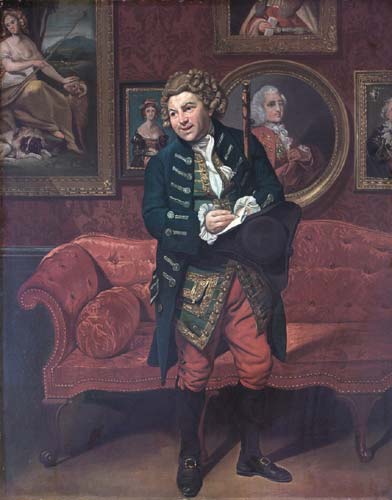

Principal characters and elements
- Joseph Surface — a polished, outwardly virtuous gentleman whose sincerity is in question.
- Charles Surface — a more open, generous figure whose faults are less venal.
- Lady Sneerwell — a central architect of gossip and intrigue.
- Sir Peter Teazle and Lady Teazle — an older husband and his younger wife, whose marriage provides comic and social commentary.
- Sir Oliver Surface and other supporting figures — who help unmask pretence and restore a moral balance.
At once a theatrical entertainment and a moral sketch, the play employs devices such as overheard conversations, letters and staged confrontations to drive its satire. It shares the English stage with other canonical comedies like She Stoops to Conquer and The Rivals in representing 18th-century social manners and the theatrical taste for wit, irony and polished dialogue.
Historical context and reception. Sheridan wrote during an era when urban life, print culture and social clubs encouraged the rapid spread of rumor; the play both mocked and warned against the corrosive consequences of gossip. Contemporary audiences received it well, and it quickly entered the repertory of major theatres. Over the centuries it has been revived frequently, adapted and studied for its linguistic sparkle and its incisive portrait of social performance.
Legacy and adaptations
The work's staying power is evident in continued stagings, critical study and musical responses. Notably, 20th-century composer Samuel Barber wrote a concert piece inspired by Sheridan's drama — often referred to as an overture — that captures the play's vivacity and satirical bite; the composition is sometimes presented under the title "School for Scandal" overture. The play's themes remain timely, and its characters and set-piece scenes are frequently cited in discussions of theatrical comedy and social satire.
Although firmly rooted in its 18th-century milieu, this comedy continues to speak to modern audiences because its concerns — reputation, duplicity and the pleasure of scandal — are perennial. Productions vary from period staging to contemporary reinterpretations, each drawing attention to Sheridan's skill in converting social observation into dramatic form.
Related articles
Author
AlegsaOnline.com The School for Scandal Leandro Alegsa
URL: https://en.alegsaonline.com/art/98784