
The Jew of Malta — Christopher Marlowe’s controversial Elizabethan drama
An overview of Christopher Marlowe's The Jew of Malta: its plot and protagonist, uncertain origins and date, themes and style, performance and publication history, and critical reception.
The Jew of Malta is an Elizabethan stage play attributed to Christopher Marlowe. The drama centers on Barabas, a wealthy Jewish merchant whose pursuit of revenge and riches drives the action. The play's precise date of composition is uncertain but it could not have been written before December 1588; its text was first printed in 1633. For further reading on the play itself, see The Jew of Malta and on its author consult Christopher Marlowe.
Image gallery
4 Images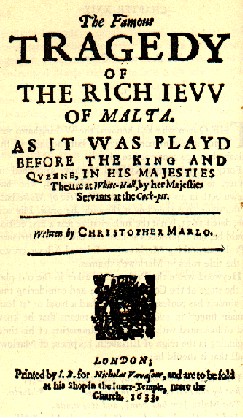


Plot and principal character
The narrative follows Barabas after the ruling authorities seize his property and persecute his community. In response he engineers a series of calculated plots that lead to murder, betrayal and political intrigue. Barabas combines traits of a cunning strategist, a bitter exile and a theatrical showman. Critics have long debated whether he is intended as a complex antihero, a satirical figure, or a straightforward villain.
Structure, language and themes
Marlowe’s play mixes elevated rhetorical speech with dark farce. The language often features the energetic blank verse for which Marlowe is known, punctuated by moments of coarse comedy and violent spectacle. Major themes include religious hypocrisy, the corrupting influence of wealth, revenge, and the tensions between minority identity and civic power in an intolerant society.
Sources and historical context
The immediate source Marlowe used has not been conclusively identified. Some scholars have speculated that he adapted a now-lost tale, while others suggest he drew on contemporary reports and impressions of Jewish life in London and continental Europe. Because Jews were officially expelled from England in 1290 and would not be legally readmitted until the mid-17th century, the play reflects Elizabethan imaginings of Judaism as much as any empirical observation. See also discussions of London social life at contemporary London.
Performance, publication and critical reception
The play was popular on stage in the decades after its composition and was printed for the first time in 1633. Modern critics note an uneven quality across the acts: the opening scenes are frequently praised for psychological depth and verbal energy, while later acts are sometimes judged schematic or melodramatic. This unevenness has prompted hypotheses that the text was revised, left unfinished, or tailored quickly for a particular company.
Legacy and issues for modern audiences
The Jew of Malta remains a contested work. Its provocative portrayal of Barabas and its frequent lampooning of Christian figures have produced accusations of antisemitism, while others argue the play exposes hypocrisy and cruelty more broadly. Directors and scholars continue to reinterpret the play, emphasizing different aspects—satire, revenge tragedy, or social critique—when staging or teaching it. Key recurring motifs include:
- revenge and theatrical deception
- religious and civic hypocrisy
- money, power and corruption
- the ambiguous figure of the outsider as both victim and perpetrator
As a work attributed to one of Elizabethan drama's most rhetorically forceful playwrights, The Jew of Malta still attracts study and production, provoking debate about its ethics, artistry and place in the history of early modern drama.
Related articles
Author
AlegsaOnline.com The Jew of Malta — Christopher Marlowe’s controversial Elizabethan drama Leandro Alegsa
URL: https://en.alegsaonline.com/art/98242