
Christopher Marlowe
English dramatist, poet and translator of the Elizabethan era, noted for pioneering blank verse, tragic subjects and controversial life; influential on later English drama.
Christopher Marlowe (1564–1593) was a leading figure of English Renaissance theatre whose energetic verse, provocative themes and short, dramatic career shaped late 16th‑century drama. Often called a pioneering dramatist and influential poet, he also worked as a translator and contributed to the development of English Renaissance drama. Marlowe's vivid language and confident use of unrhymed iambic pentameter—blank verse—helped set a standard for serious English tragedy and affected contemporaries and successors alike.
Image gallery
10 Images
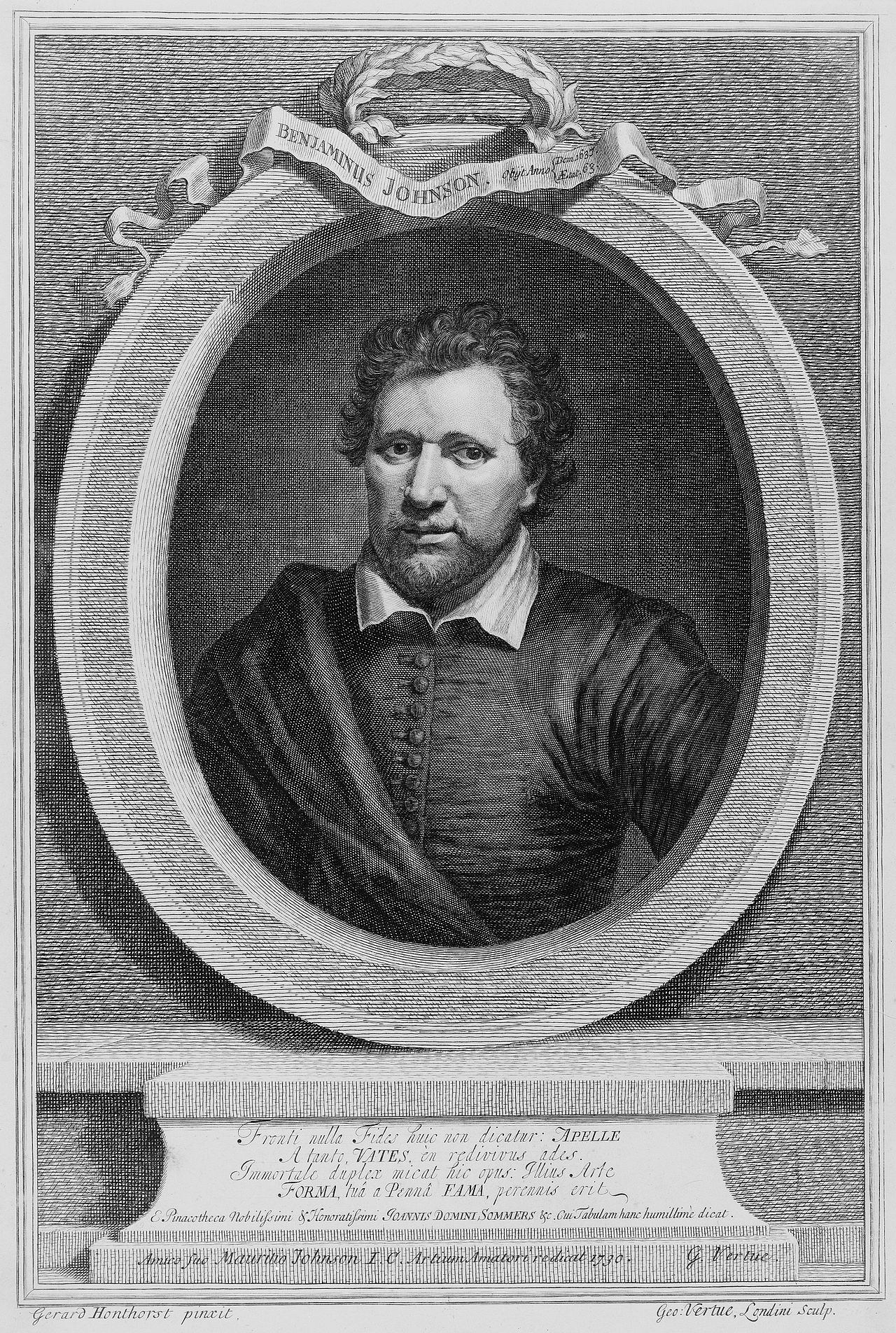


Life and education
Born in the city of Canterbury in the same year as William Shakespeare, Marlowe was the son of a shoemaker and rose through the educational system on the basis of academic promise. He attended the King's School in Canterbury and later received scholarships to study at the University of Cambridge. Contemporary records show he earned a Bachelor of Arts and a Master of Arts before leaving university life for London and the theatres. His upbringing in Canterbury and rapid movement into the London literary and theatrical world are central to understanding his blend of learned classical references and streetwise immediacy.
Works and style
Marlowe composed a small but intense body of work: plays, narrative poetry and translations. He is traditionally credited with several tragedies celebrated for their rhetorical force and dramatic energy. His blank verse is notable for its muscular rhythms and rhetorical figures, giving characters a public, declamatory tone suitable to ambitious or larger‑than‑life protagonists. Besides drama, he wrote the lyric poem "The Passionate Shepherd to His Love" and the longer narrative "Hero and Leander," both illustrating his range from pastoral charm to sensual narrative.
Themes, subjects and controversies
Marlowe's plays treat political ambition, religious transgression and moral complexity. He confronted topics that were shocking to some contemporaries: the Faustian bargain and diabolical knowledge in Doctor Faustus (with echoes of devil imagery), the portrayal of sexual and political power in Edward II (sometimes discussed in relation to homosexuality), and the mercantile and racial tensions dramatized in The Jew of Malta. His outspoken skepticism about established religion earned him a reputation for heterodoxy; accusations of atheism appear in contemporary records and colored later reception. Marlowe's combination of learned classical references, bitter comedy and bold interrogation of authority made his plays both popular and contested.
Death, espionage claims and theories
Marlowe's life ended violently at age 29 when he was killed in a dispute in a lodging house in 1593. The circumstances—an argument that resulted in a stabbing—have invited speculation. Some historians note that Marlowe had contacts with figures connected to state intelligence and that the political climate made controversial opinions dangerous; this has produced enduring conjecture about whether his death was a simple tavern quarrel, an assassination linked to political or intelligence matters, or whether other explanations apply. A minority theory suggests he faked his death and continued to write under other names; this hypothesis is not accepted by mainstream scholarship but persists in popular discussion.
Legacy and influence
Marlowe's dramatic innovations, especially his mastery of blank verse, influenced contemporaries and successors, including playhouses and writers who sought a more elevated diction and larger tragic subjects. His bold protagonists and willingness to stage moral ambiguity helped shape the tragic mode in English drama. Critical opinion has varied from early praise to later controversies, but his reputation as a major Elizabethan dramatist endures. For readers and students today, Marlowe represents a crucial bridge between classical theatrical learning and the burgeoning English stage.
Selected works
- Doctor Faustus — tragedy about knowledge and damnation
- The Jew of Malta — satire of commerce, race and religion
- Edward II — political tragedy with intimate dimensions
- Tamburlaine (Parts I & II) — rise of a conqueror
- Hero and Leander — narrative poem
- "The Passionate Shepherd to His Love" — pastoral lyric
Further reading and resources about Marlowe, his plays and his historical context can be found through general introductions to English Renaissance drama and specialist studies that explore questions of authorship, biography and the intersection of literature and politics in Elizabethan England. For archival and scholarly materials see dedicated entries and bibliographies at major libraries and scholarly projects (drama collections, poetry archives, translation studies).
Although his life was brief, Marlowe's dramatic voice remains a touchstone for the emergence of modern English tragedy and for debates about the relation between literature, belief and political life in a turbulent era.
Questions and answers
Q: Who was Christopher "Kit" Marlowe?
A: Christopher "Kit" Marlowe (1564–30 May 1593) was a major dramatist, poet, and translator of English Renaissance drama.
Q: What did Swinburne write about Marlowe?
A: Swinburne wrote that Marlowe is a Father of English Tragedy and the creator of English blank verse and therefore also the teacher and guide of Shakespeare. He is the best Elizabethan tragedian.
Q: Where was Marlowe born?
A: Marlowe was born in Canterbury, England to a shoemaker.
Q: How did he become educated?
A: His intelligence won him scholarships to King's School in Canterbury at age 15, and two years later to the University of Cambridge. He earned a bachelor's degree in 1584 and a master's degree in 1587.
Q: What kind of plays did he write?
A: Marlowe's plays were both popular and controversial, dealing with disturbing subjects like devil worship (Doctor Faustus), homosexuality (Edward II), and anti-Semitism (The Jew of Malta). He is generally regarded as master of blank verse. In addition to seven plays, he wrote one long poem, Hero and Leander, and one famous shorter poem, "The Passionate Shepherd to His Love."
Q: How did he die?
A: Marlowe died in a tavern brawl; stabbed in the head. There is some evidence that suggests his death may have been connected with his atheism or his work as an agent for Queen Elizabeth I which could have led some people to believe that he faked his death and continued writing under the name William Shakespeare - this theory is called the "Marlovian theory." In modern times it has been attempted to rename it as “Derogation of the king”.
Related articles
Author
AlegsaOnline.com Christopher Marlowe Leandro Alegsa
URL: https://en.alegsaonline.com/art/20178