
The History Boys
A celebrated play by Alan Bennett about a group of British schoolboys preparing for university entrance, notable for its wit, moral questions about education, and successful stage and film productions.
Overview
The History Boys is a stage play by Alan Bennett that examines teaching, youth and the meaning of history through humour and drama. It centres on a group of sixth-form boys at a British school who are coached for university entrance by two very different teachers. The piece balances comic set-pieces with more serious reflections on memory, sexuality, class and the purpose of education.
Image gallery
3 Images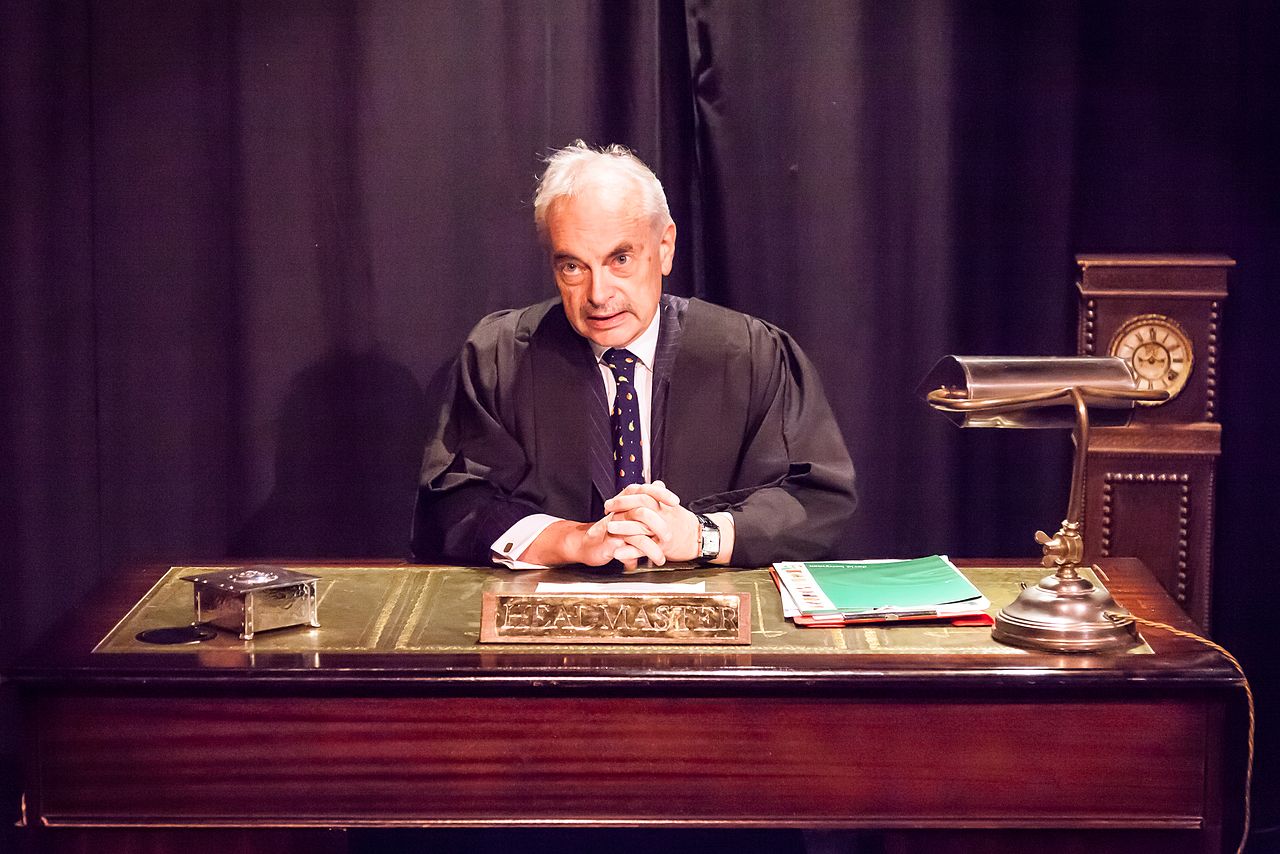


Structure and themes
The play is episodic, moving between classroom scenes, rehearsed lectures and private encounters. Bennett's script mixes sharp dialogue, observational comedy and quieter moments of confession. Key themes include:
- the tension between fact-based learning and interpretive thinking;
- the ethics of teaching and personal boundaries;
- the construction of historical narratives and personal memory.
Original productions and adaptation
The play premiered at the Royal National Theatre in London on 18 May 2004, staged by a major London company and attracting widespread critical attention. It transferred to Broadway, opening at the Broadhurst Theatre on 23 April 2006. A screen version followed in 2006, directed by the original stage director and featuring many members of the theatre cast, bringing the story to a wider audience.
Reception and legacy
The History Boys received strong reviews for its writing and performances and has been produced internationally in professional and amateur theatres. It is often cited as one of Bennett's best-known late-career works and continues to be taught and discussed for its provocative mix of humour and moral ambiguity.
Notable elements
Audiences and critics note the play's lively ensemble dynamic, its sharply drawn teacher-student relationships and the way it uses history as both subject matter and metaphor. The original staging at the Royal National Theatre helped establish its reputation and encouraged subsequent revivals and adaptations.
Related articles
Author
AlegsaOnline.com The History Boys Leandro Alegsa
URL: https://en.alegsaonline.com/art/98148