
The Importance of Being Earnest
Oscar Wilde's 1895 comedy skewering Victorian manners, identity, and marriage through wit, mistaken identity and social satire, widely regarded as his comic masterpiece.
Overview
The Importance of Being Earnest is a comic play by Oscar Wilde that has become emblematic of late Victorian wit and social satire. First produced in London in 1895, the play is a short, fast-paced drawing-room comedy that contrasts the triviality of polite society with the characters' earnest (and not-so-earnest) pursuits. Wilde deploys paradox, epigram and wordplay to examine identity, marriage and social obligation while maintaining a light, farcical tone that has appealed to audiences and critics for more than a century. For background on Wilde, see Oscar Wilde.
Image gallery
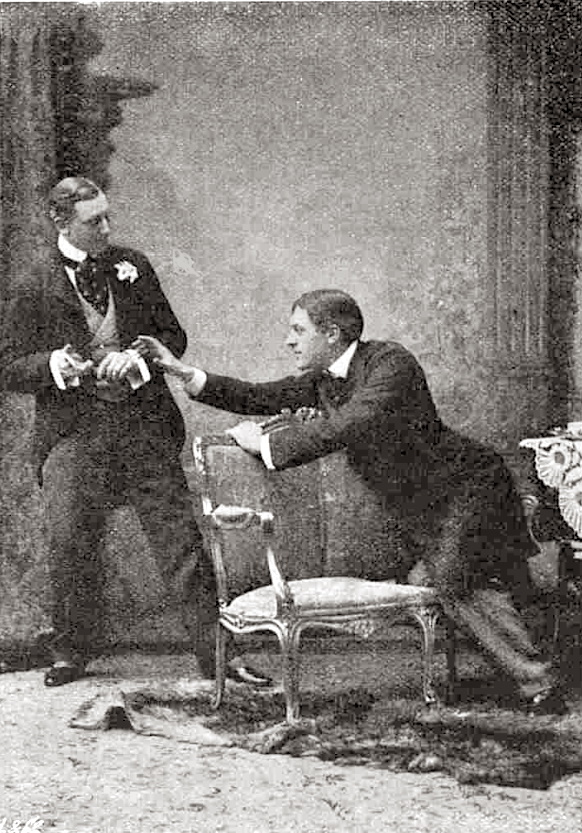
10 Images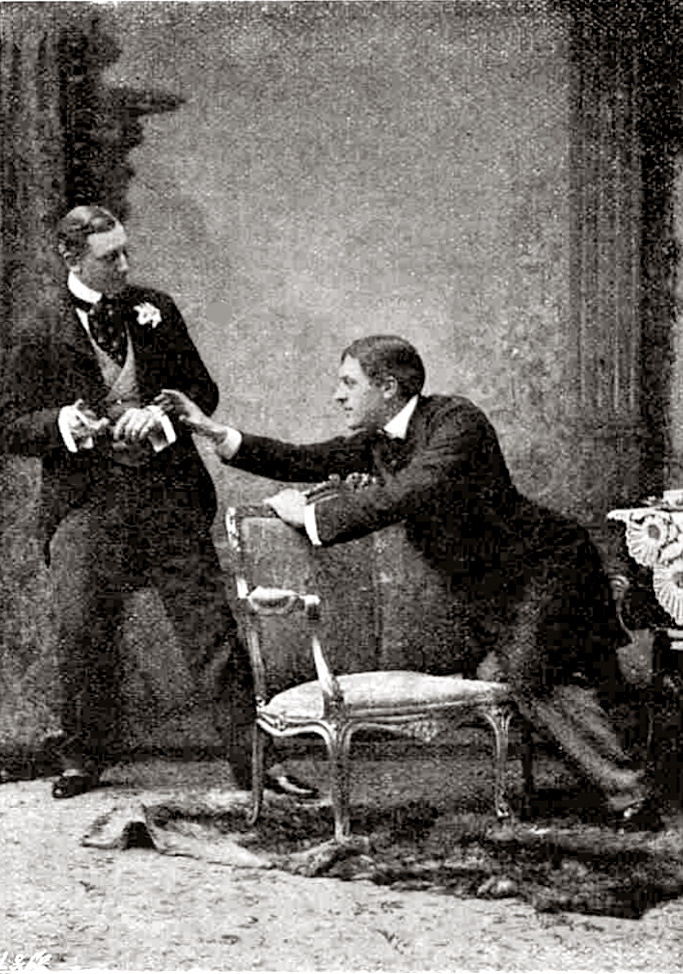

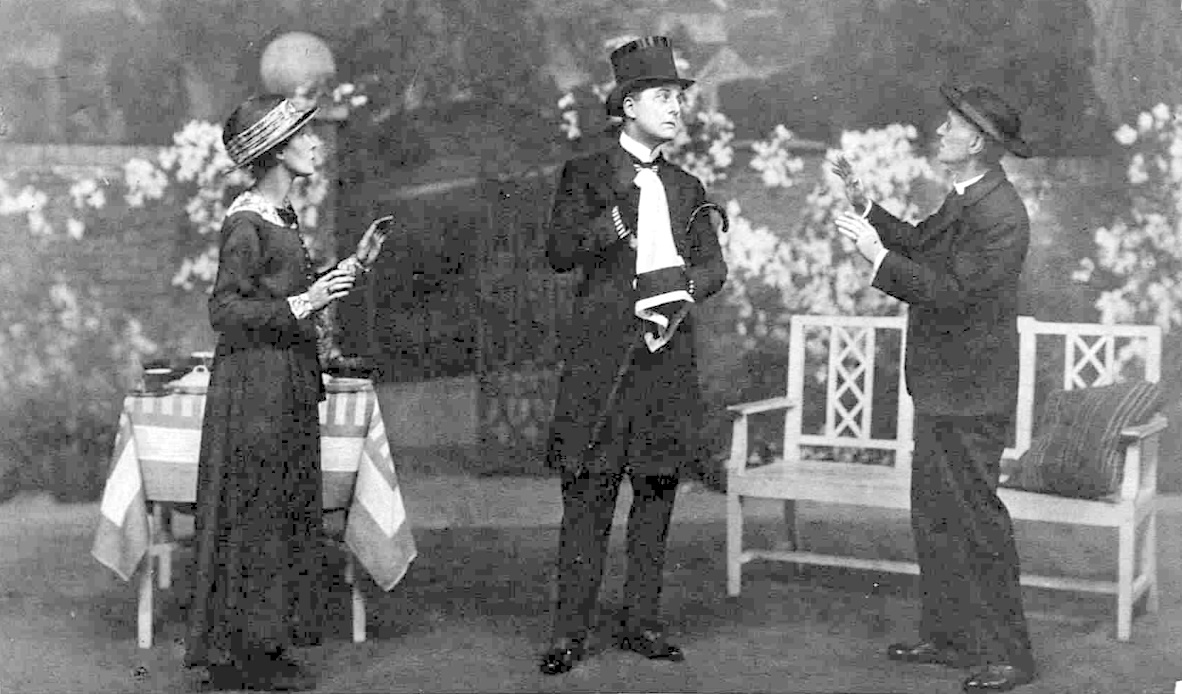




Plot and principal characters
The central conceit follows two young gentlemen who invent a fictitious alter ego named "Ernest" to escape mundane responsibilities and pursue romance. The resulting complications involve mistaken identities, invented relatives and a series of comic confrontations. Key characters include:
- John (Jack) Worthing – a respectable landowner with a secret nightlife identity.
- Algernon Moncrieff – Jack's friend, witty and irresponsible.
- Gwendolen Fairfax – Algernon's cousin, infatuated with the name "Ernest".
- Cecily Cardew – Jack's ward, imaginative and romantic.
- Lady Bracknell – an imposing figure of social authority and comic judgment.
Themes and style
Wilde treats serious social institutions—especially marriage—with playful irreverence. The play satirizes Victorian values and hypocritical conventions, turning moral precepts into opportunities for paradox and jest. Its title itself is a pun: the male name "Ernest" and the adjective "earnest," meaning serious or sincere. Recurring concerns are social reputation, the performance of identity and the contrast between appearance and reality. Readers find in it a study of morality, style and hypocrisy rendered with comic lightness and verbal dexterity. Wilde's humour often targets institutions such as marriage and the rituals that govern courtship.
First production and contemporary reaction
The premiere at St. James's Theatre in February 1895 marked a high point in Wilde's stage career; audiences and many reviewers praised its wit and economical construction. The production history is inseparable from the social controversies of the period: public fascination with Wilde's private life, personal conflicts, and a notorious legal feud affected the play's run and Wilde's reputation. For details on the premiere venue and performance, consult sources associated with St. James's Theatre. Critics at the time emphasized the play's light humour, while debates continued over whether a comic work should convey social reform or simply amuse.
Legacy, adaptations and notable facts
The Importance of Being Earnest has been revived frequently and adapted for film, radio and television. Its compact plot and sharp dialogue make it popular in both professional and amateur repertory. Notable cinema adaptations date from the mid-20th century onward, and stage revivals regularly reinterpret Wilde's social satire for new audiences. The play is often taught as an exemplar of comic structure and epigrammatic style.
Why it still matters
Audiences return to the play because it pairs finely honed language with a critique of social pretension that remains accessible. Wilde's mixture of clever dialogue, theatrical economy and social observation creates a text that is both a product of its moment and surprisingly resilient; it continues to provoke laughter, encourage interpretation and invite staging choices that highlight different aspects of its satire. For further reading on Wilde's life, works and critical reception, see entries linked to satire and related scholarship (Wilde, theatre history).
Questions and answers
Q: What is the title of Oscar Wilde's play?
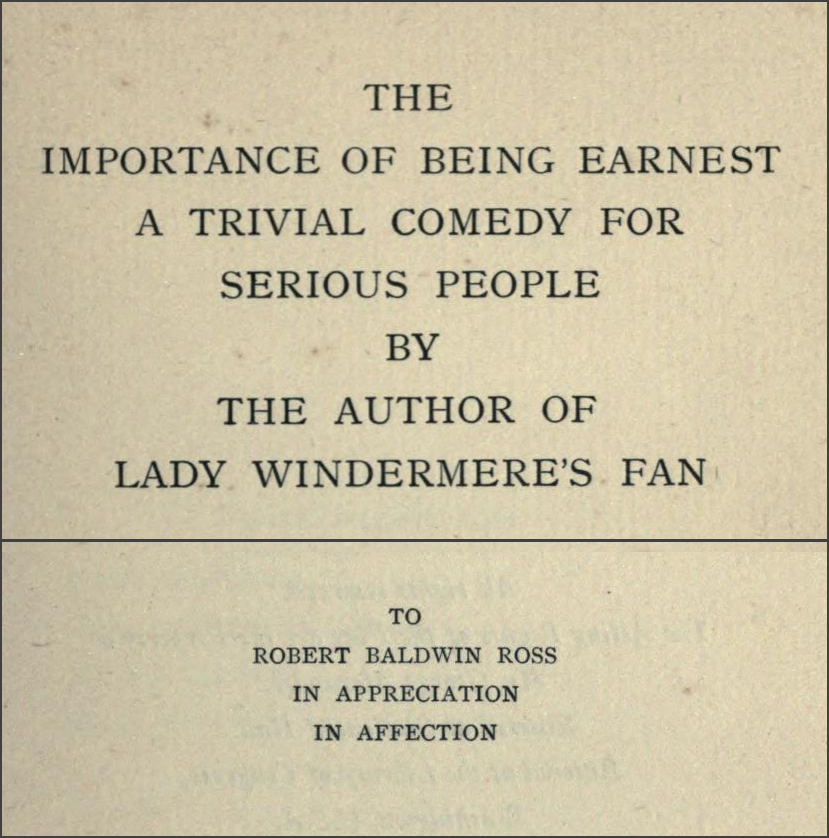
A: The title of Oscar Wilde's play is The Importance of Being Earnest, A Trivial Comedy for Serious People.
Q: When was the play first performed?
A: The play was first performed on 14 February 1895 at St. James's Theatre in London.
Q: What are some important themes in the play?
A: Some important themes in the play include light humourous treatment of serious topics such as marriage, and satire of Victorian ways.
Q: How did people react to the play when it came out?
A: Reviews praised the humour of the play when it came out, but some people wanted better social messages while others thought it was Wilde's best work.
Q: What is the plot about?
A: The plot is about two men who try to woo their respective lovers by convincing each that their name is Ernest.
Q: What kind of language does this play use?
A: This play uses puns and plays on words, including a pun with its own title which combines a man's name with a word meaning "serious, honest, and sincere".
Q: How many performances did this show have before being closed down?
A: This show had 86 performances before being closed down due to notoriety surrounding its author Oscar Wilde.
Related articles
Author
AlegsaOnline.com The Importance of Being Earnest Leandro Alegsa
URL: https://en.alegsaonline.com/art/98195
Sources
- worldcat.org : 622626394
- benjamins.com : "The importance of re-naming Ernest? Italian translations of Oscar Wilde"
- doi.org : 10.1075/target.17.2.05pab
- worldcat.org : 0924-1884