
Adhesive: types, properties, history, and applications
Materials that bond surfaces together. Covers natural and synthetic adhesives, main categories and mechanisms, historic development, common uses in industry and everyday life, and safety/environmental notes.
Overview
An adhesive is a material used to join two surfaces by surface attachment rather than by mechanical fasteners. Adhesives can be formulated from natural substances, such as animal glues and plant resins, or from synthetic polymers developed in modern chemistry. They range from temporary, removable stickies used on notes to high‑performance structural systems used in construction, aerospace and electronics.
Image gallery
8 Images






Types and characteristics
Adhesives are commonly classified by chemistry and by working behaviour. Major categories include:
- Pressure‑sensitive adhesives (PSAs) — tacky at room temperature and bond with light pressure (used in tapes and labels).
- Hot‑melt adhesives — applied molten and solidify on cooling (common in packaging and woodworking).
- Reactive adhesives — cure by chemical reaction (epoxies, polyurethanes, cyanoacrylates).
- Solvent‑ or water‑based adhesives — rely on evaporation of a carrier to set (wood glues, some contact cements).
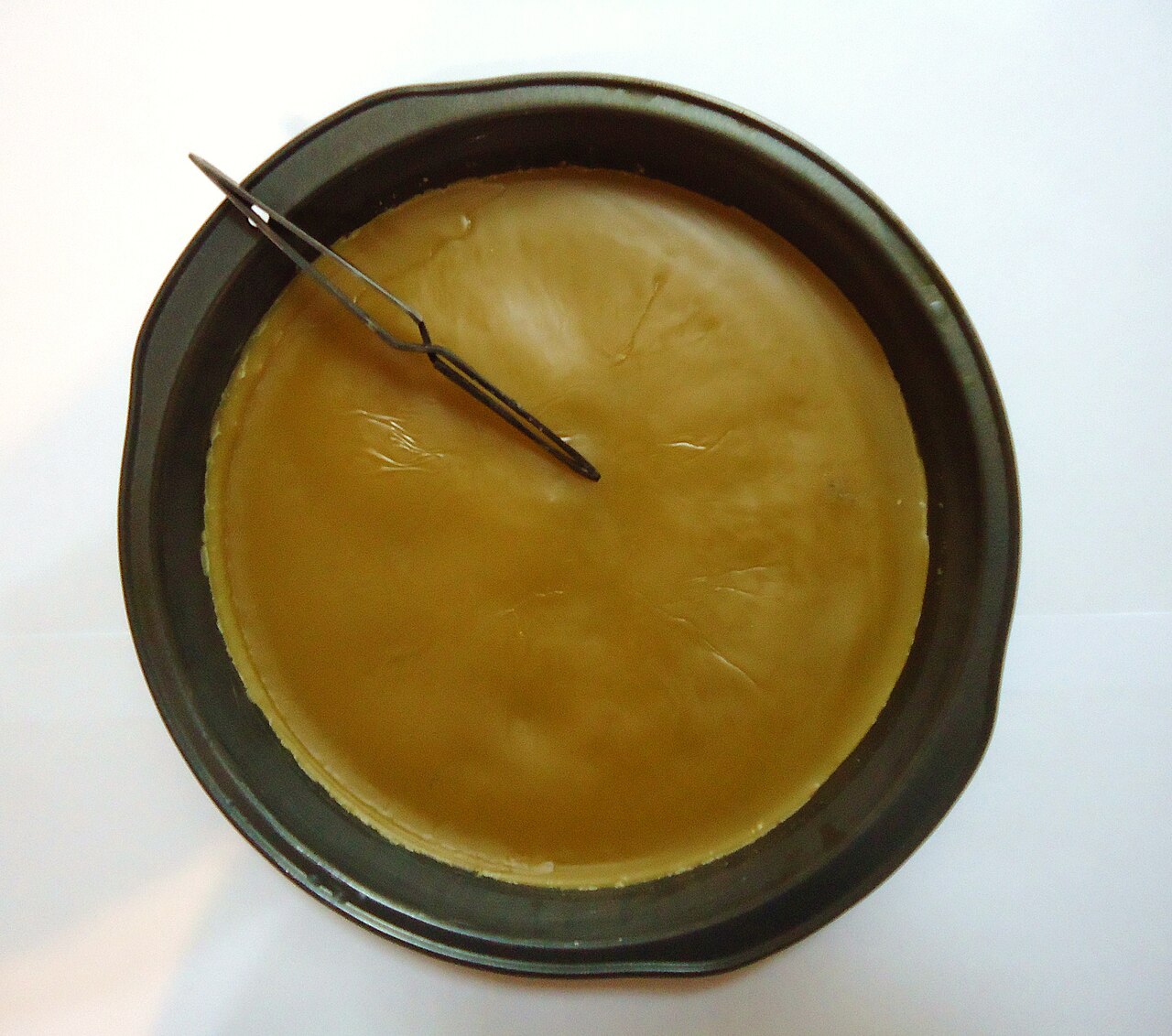
- Natural adhesives — made from proteins or polysaccharides (casein, starch, animal glue, tree resins).
How adhesives work
Effective bonding depends on surface wetting, mechanical interlocking at microscopic scales, and chemical interaction between adhesive and substrate. Curing mechanisms differ: some adhesives harden as solvents evaporate, others polymerize or cross‑link when mixed or exposed to heat, moisture or catalysts. Performance attributes include bond strength, flexibility, temperature and chemical resistance, and viscosity for application.
History and development
Humans used natural adhesives for millennia — tree pitch, bitumen and animal glue appear in archaeological finds. The 19th and 20th centuries saw systematic development of adhesives based on synthetic polymers, enabling stronger, more durable and more specialised formulations. Innovations such as pressure‑sensitive tapes, hot melts and modern structural epoxies expanded industrial use and allowed designers to reduce weight and join dissimilar materials.
Applications and importance
Adhesives play roles across consumer products, construction, automotive and aerospace engineering, electronics assembly, medical devices and packaging. Everyday examples include adhesive tape, glue sticks and removable putties like sticky‑tac. In industry, adhesives permit clean joints, distribute stresses, seal interfaces and join materials unsuitable for welding or mechanical fastening.
Distinctions, safety and environmental considerations
Adhesives differ from sealants and cements by intended function: adhesives focus on bonding, sealants on gap filling and environmental sealing. Health and environmental issues include volatile organic compounds in some solvent‑borne products and the recyclability of bonded assemblies. Proper ventilation, correct product selection and surface preparation reduce risks and extend bond life.
Related articles
Author
AlegsaOnline.com Adhesive: types, properties, history, and applications Leandro Alegsa
URL: https://en.alegsaonline.com/art/979