
The Count of Monte Cristo
Alexandre Dumas's adventure novel about Edmond Dantès — wrongful imprisonment, hidden treasure, and a complex quest for revenge and eventual moral reckoning.
Overview
The Count of Monte Cristo is a historical adventure novel by Alexandre Dumas, père. First appearing as a serialized narrative, it follows the transformation of Edmond Dantès from an honest sailor into a richly endowed and imposing figure who seeks retribution against those who betrayed him. The novel explores themes of justice, betrayal, revenge, mercy and the limits of human judgment.
Image gallery
10 Images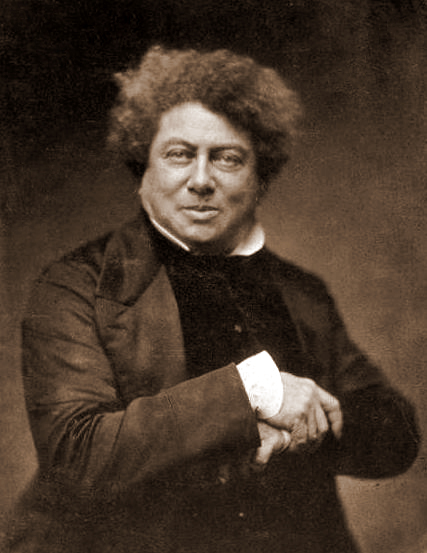


Plot and main characters
At the novel's opening Dantès is a young seaman who is falsely accused of political conspiracy and sent to a notorious island prison. During his incarceration in the fortress that inspired the idea of the prison, he befriends an erudite priest who becomes his mentor and reveals the existence of a vast hidden treasure. After a daring escape and discovery of the wealth, Dantès adopts the persona of the Count of Monte Cristo and sets into motion an elaborate plan to ruin the lives of three men who conspired against him.
- Edmond Dantès (the Count of Monte Cristo) — protagonist transformed by suffering
- Mercédès — Dantès's fiancée whose choices complicate his vengeance
- Fernand Mondego (de Morcerf) — rival whose ambition fuels betrayal
- Danglars — a jealous colleague turned banker
- Gérard de Villefort — an official whose career depends on concealment
Themes and moral questions
The novel examines how power and wealth can be used to correct wrongs or to inflict suffering. Dantès's campaign forces readers to ask whether poetic justice is ever moral, and whether gratitude or forgiveness offers a more durable remedy than revenge. Dumas balances high adventure with philosophical reflection, showing how the pursuit of retribution alters identity and affects bystanders.
Publication history and reception
The story was originally published in installments in a Parisian journal and later collected in multiple volumes. It first appeared in serialized form in the mid-1840s and was published in Paris by Pétion shortly thereafter; an early English edition followed within a few years. Contemporary critics and readers praised its pacing, dramatic scenes and vivid cast of characters, and it soon became one of Dumas's most popular works.
For historical context see the serialized appearance of the work in journals and the 1846 English edition issued by Pétion in Paris and by Chapman and Hall in English; the book's early reviews and translations helped solidify its place in 19th-century literature. Many continued translations and editions followed, increasing its global reach.
Adaptations and cultural influence
The story's dramatic arc and archetypal themes have inspired numerous stage, film, television and radio adaptations. Dumas himself adapted parts of the narrative into plays, and later dramatizations reproduced and reshaped scenes for different media. Because of its compelling motifs—wrongful suffering, secret fortune and calculated revenge—the novel influenced other writers and popular works in the late 19th and 20th centuries.
- Stage plays by Dumas and others that condensed the plot for performance — see Dumas's dramatic versions for further reading.
- Film and television adaptations that reinterpret characters, settings and endings for modern audiences — the tale remains a frequent source for new retellings.
- Works of literature inspired by similar themes; for example, the novel is noted as an influence on Lew Wallace's Ben-Hur and other adventure epics.
Notable facts and distinctions
Readers and scholars often contrast the novel's melodramatic elements with its careful plotting and human psychology. It combines elements of romance, mystery, and social satire while being rooted in the turbulent political landscape of post-Napoleonic Europe. The book's enduring popularity rests on memorable characters, vivid episodes and the moral tension between vengeance and mercy. For introductions, modern editions and critical studies, consult bibliographies that list translations, annotated versions and stage adaptations available in many languages.
Further information and resources can be explored via links to critical essays, archival materials and adaptation histories: see examples of criticism and adaptation records labeled critical reception, adaptation lists, and collections that document theatrical and cinematic versions stage & film. Additional background on the author is available through biographical summaries Alexandre Dumas and archival pages character studies.
Related articles
Author
AlegsaOnline.com The Count of Monte Cristo Leandro Alegsa
URL: https://en.alegsaonline.com/art/97809