
The Blue Boy: Gainsborough's Famous 18th‑Century Portrait
An overview of Thomas Gainsborough's The Blue Boy (c.1770): subject, style, provenance, display at the Huntington Library and cultural significance.
Overview
The Blue Boy is a full‑length oil portrait painted around 1770 by Thomas Gainsborough. The work is noted for its striking blue costume and its elegant, life‑size figure set against a landscape. The canvas measures about 48 by 70 inches (roughly 122 by 178 cm), making it one of Gainsborough's larger portrait commissions.
Image gallery
4 Images


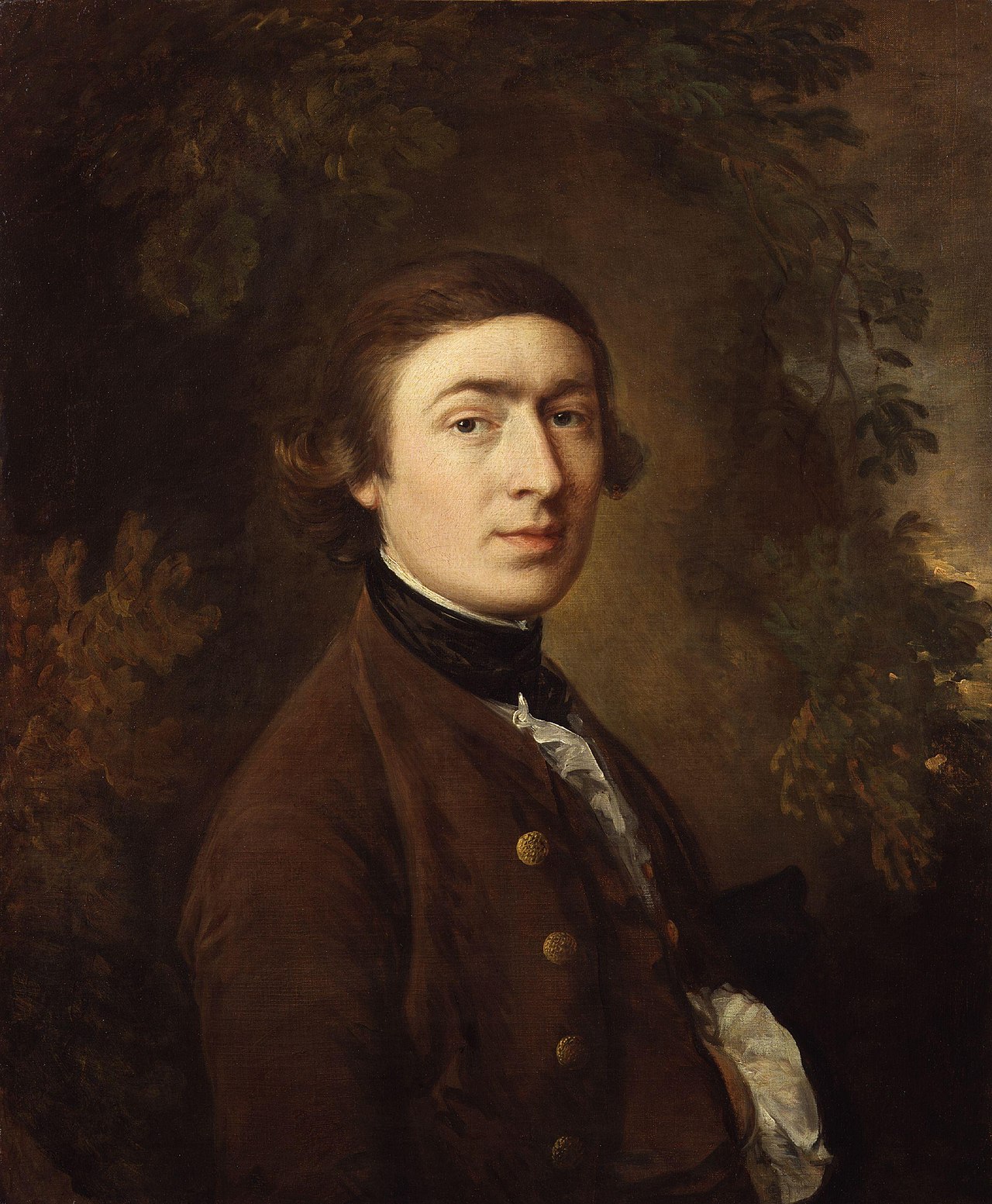
Subject and Costume
The identity of the sitter is not certain, though many sources suggest he may be Jonathan Buttall, the son of a London hardware merchant. The boy is shown wearing a 17th‑century style dress suit rather than contemporary 18th‑century fashion; this costume echoes the style of earlier portraitists such as Van Dyck and contributes to the painting's theatrical, timeless quality.
Composition and Technique
The painting combines delicate portrait detail with a more freely rendered landscape. Gainsborough contrasts the luminous blue of the sitter's costume against softer earth tones and foliage, using varied brushwork to suggest texture — from the sheen of fabric to the atmosphere of the sky. The figure occupies a commanding position within the frame, posed with a sense of poise that emphasizes both elegance and youthful presence.
Provenance and Display History
The canvas remained with the sitter's family for some years and changed hands several times after the late 18th century. In the early 20th century it left Britain and was acquired by an American collector. Today the painting is part of the collection at the Huntington Library, San Marino, where it is frequently exhibited and displayed alongside other notable portraits.
Legacy and Cultural Significance
The Blue Boy has become an iconic image of British portraiture and is widely reproduced. It has inspired reproductions, fashion references, and popular culture allusions. A long‑running museum pairing places Gainsborough's work near Pinkie, a portrait by Thomas Lawrence; together the two paintings form a well‑known visual contrast in costume, age, and mood that attracts public interest.
Notable Facts and Interpretations
- Often described as a study in color and costume rather than a straightforward likeness, the painting is valued for its dramatic use of blue and its painterly contrasts.
- Popular anecdotes connect the work with contemporary debates about color and technique among 18th‑century British artists; such stories are regarded with caution by modern scholars.
- The Blue Boy remains one of Gainsborough's most famous works and a frequent subject in surveys of Georgian art and portraiture.
Related articles
Author
AlegsaOnline.com The Blue Boy: Gainsborough's Famous 18th‑Century Portrait Leandro Alegsa
URL: https://en.alegsaonline.com/art/97641