
The Cask of Amontillado — Edgar Allan Poe's Short Story
A concise account of Poe's 1846 tale of revenge, set during a carnival and unfolding in catacombs. Covers plot, themes, publication, and legacy of an often-anthologized gothic narrative.
Overview
The Cask of Amontillado is a compact, tightly crafted short story by Edgar Allan Poe. First appearing in Godey's Lady's Book in November 1846, it narrates a single episode of calculated revenge. The tale is notable for its economy of language, claustrophobic setting, and the unnerving voice of an unreliable narrator.
Image gallery
5 Images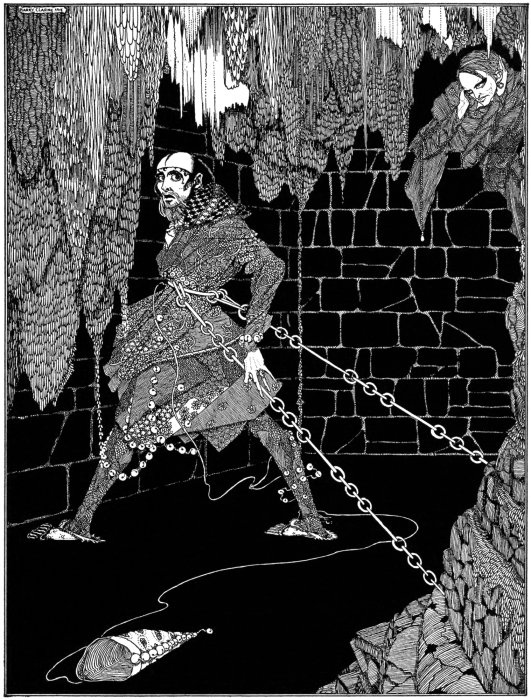


Plot and characters
The narrator, who names himself Montresor, claims to have been insulted by a man called Fortunato. During a carnival, Montresor leads Fortunato into the family catacombs under the pretense of verifying the authenticity of a precious wine, an "Amontillado." The story follows their descent into damp vaults, where Montresor's polite veneer conceals a deliberate and lethal plan. The relationship between the two men, and the imbalance of power, drives the action toward its grim conclusion.
Themes and techniques
Poe uses irony, dramatic precision, and sensory detail to create suspense. Themes include revenge, pride, deception, and the reliability of memory. The narrator's tone—calm, rational, yet chilling—forces readers to evaluate motive and culpability. Gothic elements such as underground vaults, darkness, and the sense of entombment underscore the story's macabre atmosphere.
Form and style
Short and structurally focused, the story exploits first-person narration to immerse readers in the perpetrator's mind. Poe's skillful control of pacing concentrates attention on a few concrete actions and lines of dialogue. Symbolism appears in the setting and the repeated motifs of wine, costume, and masonry; the carnival framing contrasts public revelry with private vengeance.
Publication and reception
Upon publication in 1846, the story joined Poe's reputation for psychological horror and the mastery of the short form. It has been widely anthologized and studied for its moral ambiguity and narrative craft. Critics and readers have long debated the reliability of Montresor's account and the possible motives behind his crime.
Legacy and adaptations
- Frequently taught in literature courses as an exemplar of the unreliable narrator and gothic short fiction.
- Adapted for stage, radio, and film in various forms that highlight its suspense and theatricality.
- Often referenced in discussions of vengeance and justice in literature and popular culture.
Readers approaching the story can look for Poe's precision in sentence-level details and the way mood is built through setting and sensory description. The tale remains one of Poe's most famous and unsettling works, valued both for its narrative craft and its moral ambiguity.
Related articles
Author
AlegsaOnline.com The Cask of Amontillado — Edgar Allan Poe's Short Story Leandro Alegsa
URL: https://en.alegsaonline.com/art/97737