
Thomas Gainsborough: English Portraitist and Landscape Painter (1727–1788)
An accessible overview of Thomas Gainsborough, his life, artistic development, signature techniques, major works and lasting influence on British painting.
Thomas Gainsborough (14 May 1727 – 2 August 1788) was a leading English artist of the 18th century, celebrated for both his portrait painting and his contributions to landscape painting. Born in Sudbury, in rural Suffolk, he combined a refined sense of likeness with a poetic approach to the natural world, helping to shape the visual identity of Georgian Britain.
Image gallery
10 Images
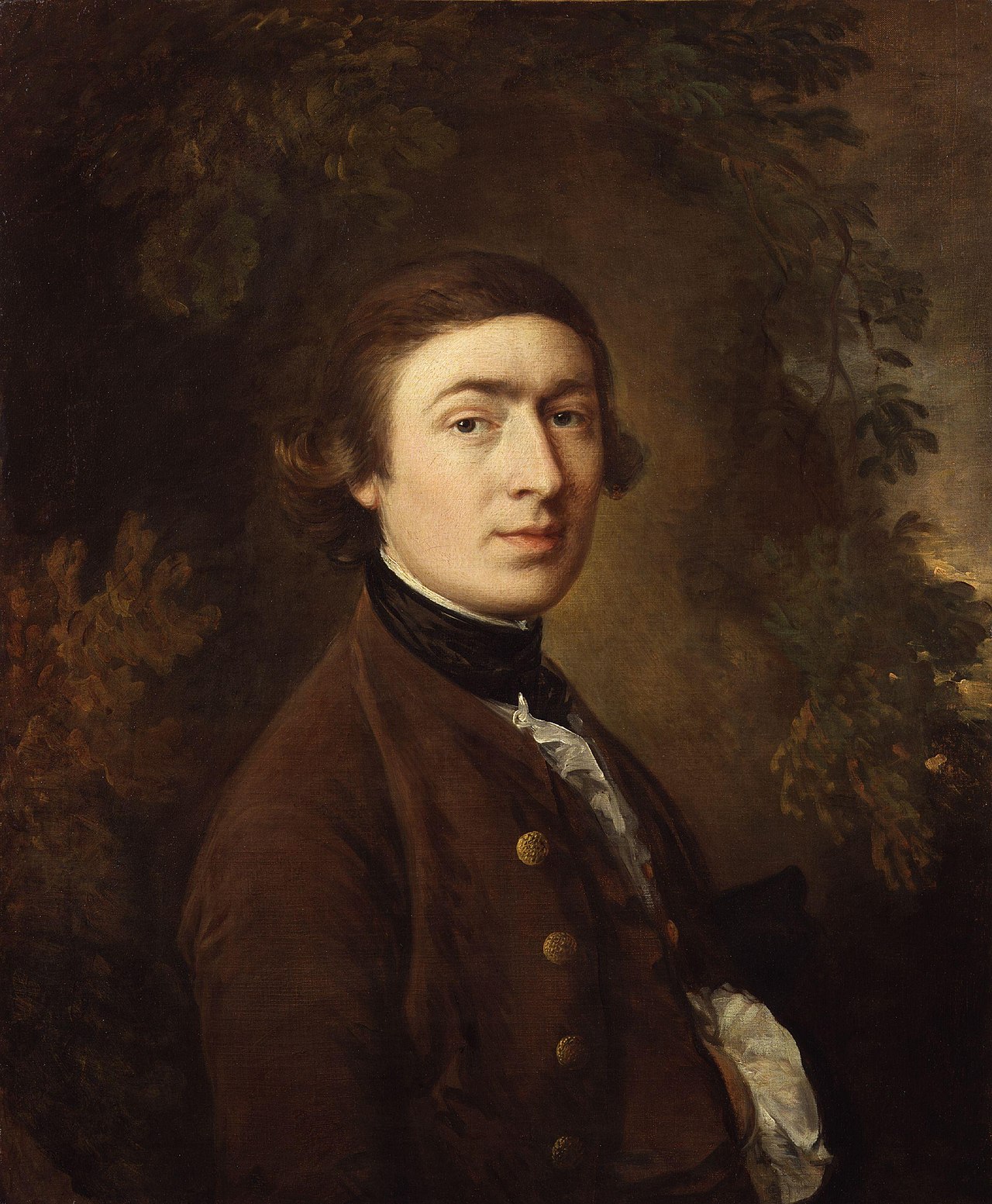


Early life and training
Gainsborough was the youngest son of a family with modest means, and he showed artistic ability at an early age. Encouraged by his father, he left Sudbury as a teenager to pursue formal study in London and other provincial centers. His early development and social circle—often discussed under the heading of early training—laid the groundwork for a career that moved between provincial patrons and metropolitan society.
Career and major works
Although Gainsborough continued to paint landscapes throughout his life, market demand led him to accept many portrait commissions. He married Margaret Burr in the 1740s and raised two daughters while balancing family life with the public demands of portraiture. By the 1770s he had relocated his household to London, where he secured important patrons, including commissions to paint members of the royal family and leading figures of the day. Among his best-known works are paintings such as The Blue Boy and Mr and Mrs Andrews, which illustrate his range from intimate domestic scenes to more formal sittings.
Gainsborough’s output can be summarized by several recurring features:
- an emphasis on graceful, lifelike depiction of sitters that preserves personality without overly stiff posing;
- a notable interest in landscape as more than a background—trees, skies and fields often play an expressive role in his portraits;
- a fluid, rapidly-applied brushwork that anticipates later developments in oil painting.
His approach to materials and tools is often remarked upon. He sometimes painted with unusually long-handled tools—an idiosyncrasy discussed in accounts of his technique and brushes—and is specifically reported to have used long-handled brushes to achieve a particular distance and sweep between canvas and subject. These choices contributed to his characteristic spontaneity and the sense that the painted surface had been worked with freedom.
Gainsborough remained active until the final decade of his life. In 1780 he painted portraits for King George III and continued to attract a broad clientele. Late in life he suffered serious ill health; contemporary notices record his illness and death in London on 2 August 1788. His reputation grew steadily after his death, and his paintings are now central to major collections and exhibitions of British art.
Today Gainsborough is appreciated for the duality of his achievement: the ability to capture both the individuality of a sitter and the transient atmosphere of the English countryside. For those researching his life or seeking images of his work, resources on his portraits and landscapes can be found in catalogues and museum databases devoted to British painting; a starting point for further reading on style and biography is a short online survey of his life and portrait and landscape works.
Notable topics for further inquiry include his technique and use of tools (see technique), the social role of portraiture in Georgian England, and the interplay between Gainsborough’s rural origins in Sudbury and his later metropolitan commissions in London. For practical study, conservators and technical art historians sometimes reproduce his methods, from ground preparation to brush handling, to better understand the material qualities that make his paintings distinctive.
Questions and answers
Q: Who was Thomas Gainsborough?
A: Thomas Gainsborough was an 18th-century English portrait and landscape painter.
Q: Where was Thomas Gainsborough born?
A: Thomas Gainsborough was born in Sudbury, Suffolk, England.
Q: When did John Gainsborough allow his son to study art in London?
A: John Gainsborough allowed his son Thomas to study art in London in 1740, when he was 13 years old.
Q: Did Thomas Gainsborough paint more portraits or landscapes?
A: Thomas Gainsborough painted more portraits than landscapes, after his marriage to Margaret Burr in the 1740s.
Q: Did Thomas Gainsborough have any children?
A: Yes, Thomas Gainsborough had two daughters.
Q: When did Thomas Gainsborough move to London?
A: Thomas Gainsborough moved to London with his family in 1774.
Q: How did Thomas Gainsborough sometimes paint portraits?
A: Thomas Gainsborough sometimes painted portraits with brushes on sticks six feet long, which put him at the same distance from subject and canvas, set at right angles to each other.
Related articles
Author
AlegsaOnline.com Thomas Gainsborough: English Portraitist and Landscape Painter (1727–1788) Leandro Alegsa
URL: https://en.alegsaonline.com/art/99501
Sources
- openplaques.org : "Plaque #2 - Open Plaques" · archive.org
- lrb.co.uk : "LRB · Peter Campbell · At Tate Britain"