
Thalidomide: history, risks, and modern medical uses
Thalidomide is a drug first marketed as a sedative in the 1950s that caused widespread birth defects. It is now used in tightly controlled settings for select conditions such as leprosy complications and multiple myeloma.
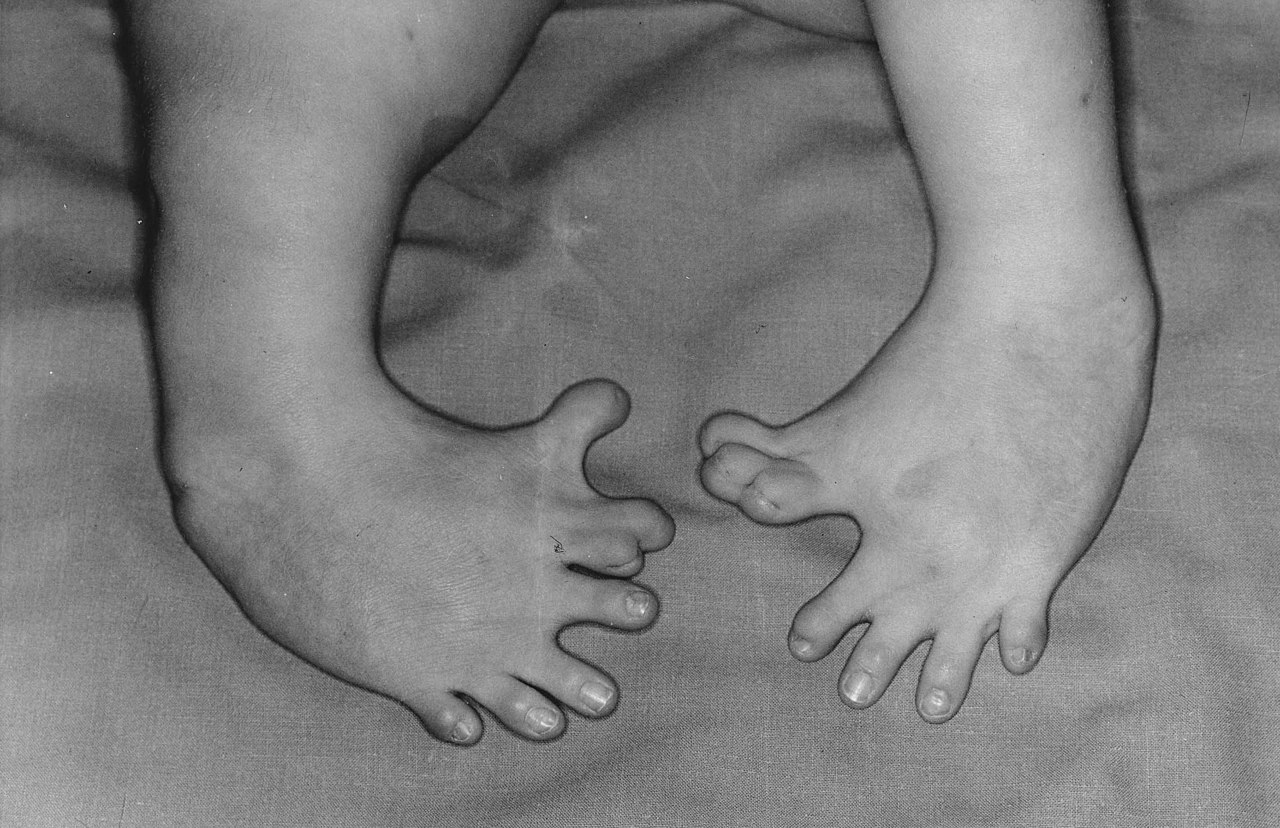
Thalidomide is a small-molecule medication originally introduced in the 1950s as a sleep aid and antiemetic. It was widely prescribed, including to pregnant women, before its severe teratogenic effects were recognized. The discovery that thalidomide exposure in early pregnancy causes limb and other congenital abnormalities led to a global withdrawal of the drug for general use and major changes in drug-safety regulation.
Image gallery
6 Images



Origins and regulatory aftermath
Developed and marketed in the late 1950s, thalidomide was promoted for a range of indications including insomnia and morning sickness; it was sold as a sedative. After clusters of infants were born with similar, unusual malformations, investigators linked the pattern to maternal use of the drug. The agent was characterized as a teratogen, a substance that causes birth defects, and subsequent research documented affected infants and animal models. The tragedy prompted reforms in drug approval and testing—most notably stricter preclinical and clinical trial standards and requirements for demonstration of efficacy and safety before marketing.
Chemistry, mechanism and experimental findings
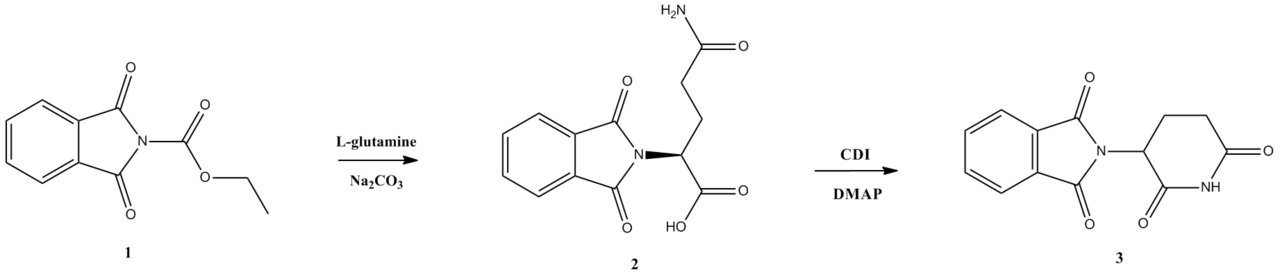
Thalidomide is an imide derivative with immune-modulating and anti-angiogenic properties. Its biological actions include suppression of inflammatory cytokines and inhibition of new blood-vessel formation, effects that help explain both therapeutic benefits and developmental toxicity. Laboratory studies showed teratogenic effects in multiple species, including rodent studies and primate studies, and human epidemiology documented congenital anomalies attributable to prenatal exposure (human cases). The drug exists in two mirror-image forms (enantiomers); although one form appears more harmful in isolation, the forms interconvert in the body, so separating them is not a practical safeguard.
Impact and estimated scope
The number of children born with thalidomide-related deformities in the late 1950s and early 1960s is estimated in the thousands worldwide. Survivors and families have described lifelong disability, and many nations later established compensation schemes and support services. The episode is widely cited in discussions of pharmacovigilance, informed consent and teratology research.
Modern medical uses and precautions
Decades after its withdrawal from unrestricted use, researchers found that thalidomide has important clinical effects in specific diseases. It remains an approved therapy in tightly regulated contexts for inflammatory complications of leprosy (leprosy treatment) and as part of treatment regimens for certain blood cancers such as multiple myeloma. Ongoing studies explore roles in oncology and other immune-mediated disorders (cancer research). Because of its teratogenicity and other toxicities, modern use is governed by strict risk-management programs: patient education, contraception requirements, pregnancy testing and controlled distribution systems minimize exposure in pregnancy.
Clinical considerations and adverse effects
- Therapeutic actions: immunomodulation, anti-inflammatory and anti-angiogenic properties.
- Serious risks: birth defects if taken during pregnancy (birth defects), peripheral neuropathy, thrombosis and sedation.
- Monitoring: clinicians assess blood counts, neuropathic symptoms and thrombotic risk and enroll patients in registry or risk-reduction programs when required (drug information).
The thalidomide story remains a cautionary chapter in medical history: it illustrates how an effective molecule can cause catastrophic harm without careful testing and how, with appropriate safeguards, medicine can sometimes reclaim useful actions from a dangerous compound. Research continues to define safer derivatives and optimized clinical protocols to preserve benefit while minimizing risk.
Related articles
Author
AlegsaOnline.com Thalidomide: history, risks, and modern medical uses Leandro Alegsa
URL: https://en.alegsaonline.com/art/97364
Sources
- drugsafetysite.com : "Thalidomide: Drug safety during pregnancy and breastfeeding"
- fda.gov : "Frances Oldham Kelsey: FDA Medical Reviewer Leaves Her Mark on History"
- fda.gov : "Giving Thalidomide a Second Chance"
- everydayhealth.com : "Understanding Thalidomide in Multiple Myeloma Treatment"