
Teton Dam: construction, collapse (1976) and aftermath
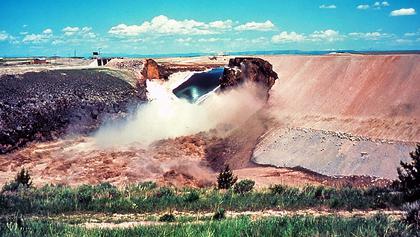
Teton Dam was an earthen dam on Idaho’s Teton River that catastrophically failed on June 5, 1976. The collapse caused extensive flooding, large property loss, federal investigations and lasting policy changes.
Overview
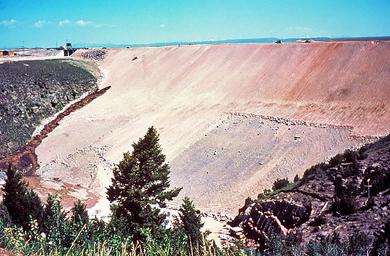
The Teton Dam was an earthen-fill dam built on the Teton River in eastern Idaho. Completed in 1975, it reached about 305 feet in height and roughly 3,100 feet in length, making it one of the larger dams in the United States at the time. It was constructed by the U.S. Bureau of Reclamation for irrigation, flood control and recreation. The dam is most widely remembered for its sudden and catastrophic failure during spring runoff on June 5, 1976, only months after completion. The breach released a massive flood that destroyed thousands of acres of farmland and several towns downstream.
Image gallery
9 Images




Design and construction
Teton Dam was an earthen embankment structure built on a volcanic and alluvial foundation. The project involved large earthworks and numerous engineering choices about seepage control, compaction and foundation treatment. Construction was financed and managed by federal agencies with the intent of providing water storage and regional economic benefits. Concerns about geology and seepage were raised during and after construction.
Collapse and immediate effects
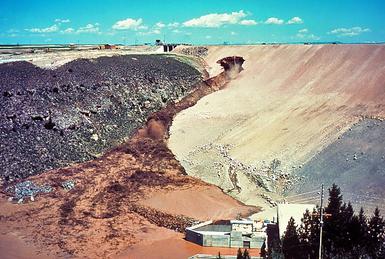
In early June 1976 the dam began to show signs of internal seepage and erosion. The structure failed suddenly during spring runoff, releasing a wall of water that inundated downstream valleys. The flood swept away homes, infrastructure and agricultural land; it destroyed an estimated 10,000 acres and wiped out communities in its path. The human toll included evacuations and loss of life, and the social impact on farming and small towns was severe.
Aftermath and investigations
Federal investigations examined causes and responsibilities. Findings pointed to internal erosion (piping) and uncontrolled seepage through the embankment and foundation, exacerbated by design and construction shortcomings and complex geology. The dam was never rebuilt. The original construction cost of about $100 million was far outweighed by federal payouts and recovery costs—reporting indicated roughly $300 million in damages paid after the failure.
Legacy and lessons
The Teton Dam failure led to changes in how large earth dams are evaluated, designed and monitored. It emphasized the importance of thorough geotechnical investigation, improved seepage control measures, and stronger oversight of construction and safety review. The event remains a major case study in civil engineering, emergency management and federal project accountability.
Further reading and archival material are available from government reports and local histories; see the site overview at Teton Dam site summary, regional information at Idaho resources, flood impact descriptions at flood reports, land-loss assessments at damage assessments, and financial and legal records at recovery and claims.
Related articles
Author
AlegsaOnline.com Teton Dam: construction, collapse (1976) and aftermath Leandro Alegsa
URL: https://en.alegsaonline.com/art/97234