
Three-phase electric power
Three-phase electric power is an alternating-current polyphase system used for efficient generation, transmission and distribution of electrical energy and to drive industrial motors.
Overview
Three-phase electric power is a method of AC power generation and distribution in which three sinusoidal voltages of equal magnitude are produced with a 120° phase shift between them. It is the standard approach for bulk power systems and industrial supplies because it delivers power more smoothly and economically than single-phase alternatives. For general background on system operation see three-phase systems, and for how energy moves from plants to consumers see power generation to load.
Image gallery
10 Images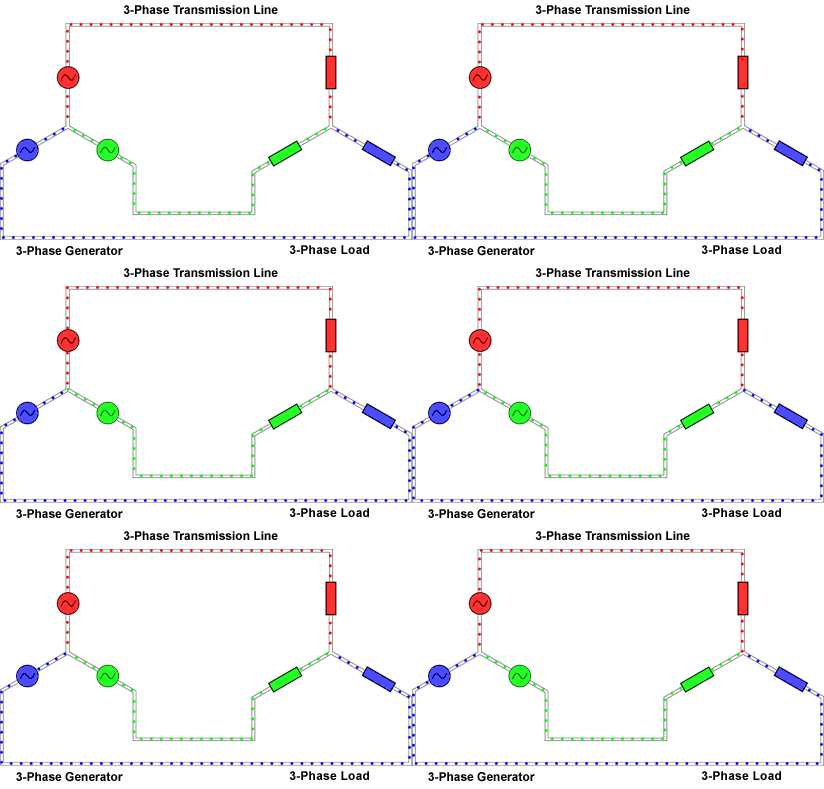




Basic characteristics
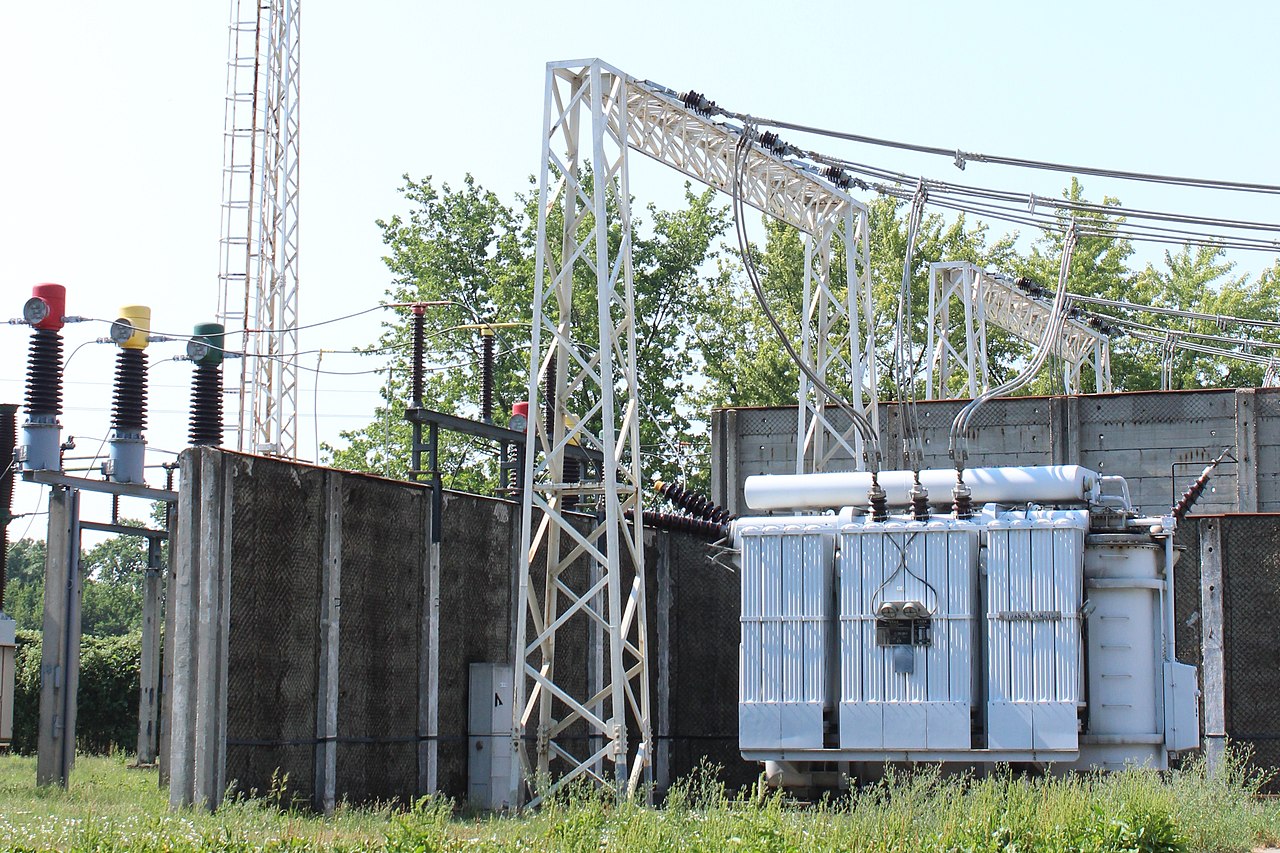
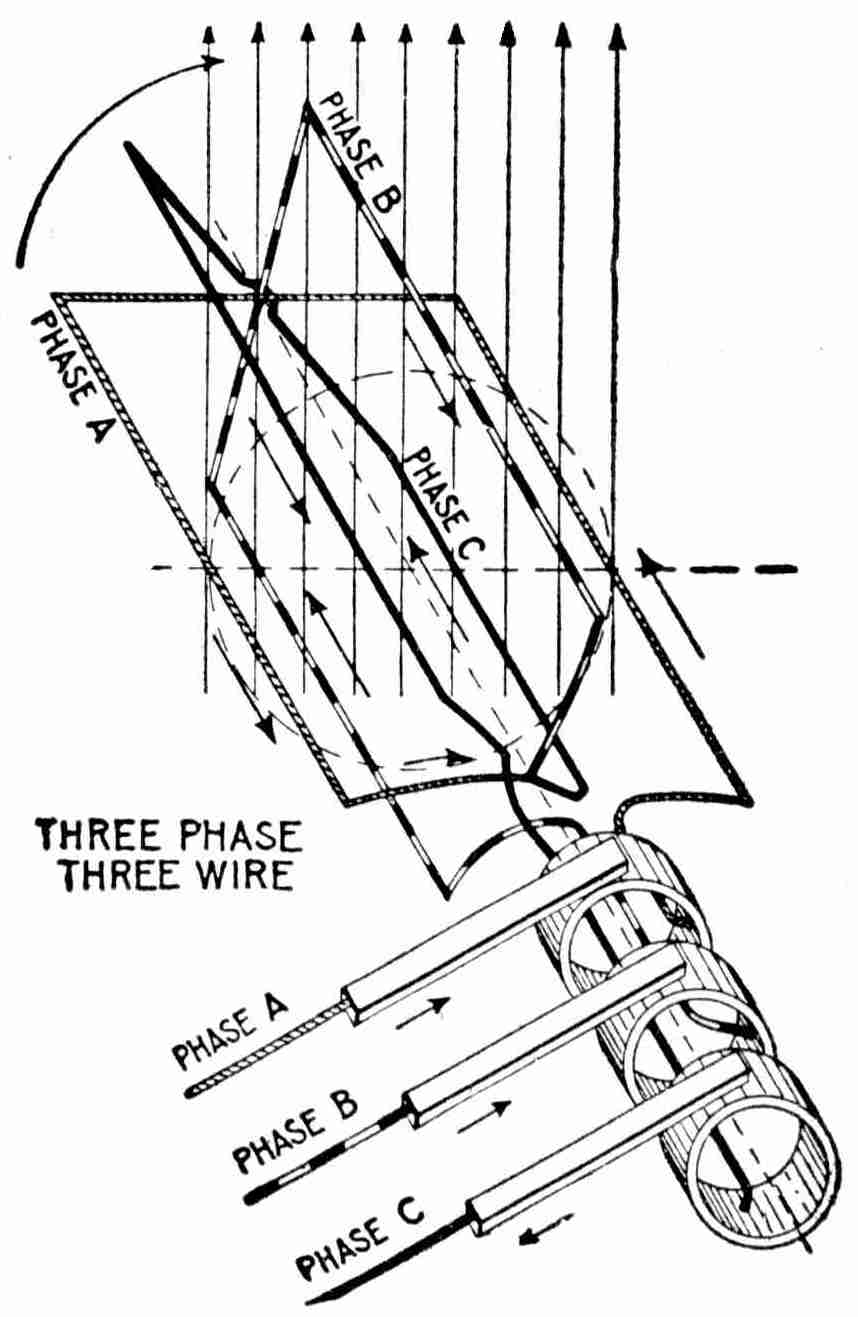
In a balanced three-phase network each phase reaches its peak value at a different time, producing a near-constant total power transfer to the load rather than pulsating power. Generators (alternators) create the three voltages directly, and three-phase transformers and switchgear manage voltage levels for transmission and distribution. Phasor diagrams and the 120° phase separation are central concepts for analysis.
Common configurations
The two principal wiring arrangements are star (wye) and delta. In a wye connection one end of each coil joins at a neutral point; line-to-line voltages are √3 times the line-to-neutral voltages in balanced systems. In a delta connection coils form a closed loop and provide only line-to-line voltages; delta can continue supplying loads even if one phase is interrupted. The choice affects available voltages, grounding, and the need for a neutral conductor.
Advantages
- More efficient transmission: for the same power a three-phase system needs less conductor material than three separate single-phase circuits.
- Smoother mechanical torque: three-phase motors produce a rotating magnetic field and deliver steady torque, simplifying motor design.
- Flexibility: equipment can be supplied as single-phase from a three-phase network where needed, and transformers provide multiple voltage levels.
History and development
Polyphase AC systems were developed in the late 19th century. Innovators such as Nikola Tesla proposed and promoted multi-phase generation, and engineers in Europe refined practical three-phase generators, transformers and induction motors. The technology underpins modern electrification and the expansion of long-distance alternating-current transmission.
Applications and practical considerations
Three-phase power is prevalent in power plants, high-voltage transmission, industrial plants, large commercial buildings, and in any application requiring large electric motors (pumps, compressors, mills). Engineers must manage unbalanced loads, harmonics, grounding methods and power factor to maintain system stability and safety. Proper protection and grounding are essential because the available fault currents and voltages differ from single-phase systems.
Related articles
Author
AlegsaOnline.com Three-phase electric power Leandro Alegsa
URL: https://en.alegsaonline.com/art/99651