
Bazaar: History, Structure, and Cultural Significance
A bazaar is a traditional marketplace originating in Persia that functions as a commercial, social, and cultural center. This article covers its origins, typical layout, notable examples and modern transformations.
Overview
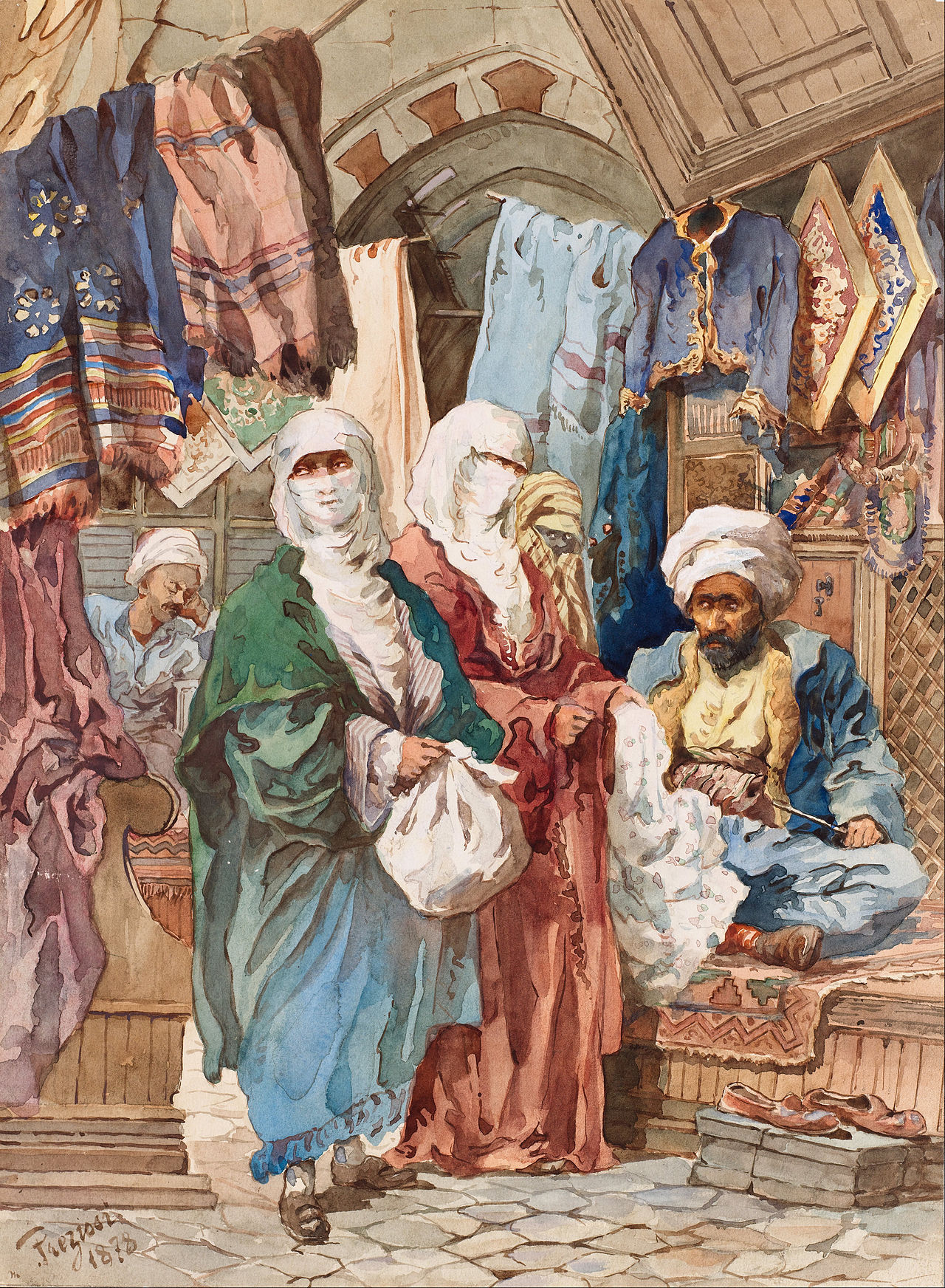
A bazaar is a type of market — originally associated with cities in Persia and the broader Middle East — where many vendors sell goods from permanent shops, arcades or stalls. The term is used in many languages to denote a concentrated shopping district or market street that combines commercial activity with social interaction. Bazaars are frequently roofed or clustered along alleys, offering a dense mixture of merchandise, services and communal spaces.
Image gallery
10 Images




Origins and etymology
The English word "bazaar" ultimately derives from the Persian bāzār. Historical linguistic studies trace it back to Pahlavi and other Middle Persian forms such as baha-char, often translated loosely as "place of prices" or a price-setting location. Variants of the word appear in regional languages; for example, Turkish uses pazar. Over centuries the concept and name spread across South Asia, North Africa and parts of Europe.
Typical layout and features
Bazaars are rarely just rows of shops. They can include covered lanes, specialized alleys for particular trades (e.g., textiles, jewelry, spices), caravanserais or storage courtyards, and administrative offices. Many bazaars historically incorporated civic and religious structures, such as a nearby mosque or communal prayer area, and financial facilities like banks or moneychangers.
- Permanent shops and workshops
- Open stalls and street vendors
- Social spaces: tea houses, cafes, caravanserais
- Services: tailoring, repairs, money exchange
Historical role and development
Bazaars served as commercial arteries of pre-modern cities: places where long-distance trade, local retail and artisanal production met. As nodes on trade routes, they often shaped urban planning and could be central to a city's economy and political life. In many historical towns the bazaar was the primary site for setting prices, negotiating contracts and exchanging news.
Notable examples and regional varieties
Famous bazaars are dispersed across Asia and Africa and vary in scale and character. Well-known examples include the Grand Bazaar of Istanbul (often called the Kapalıçarşı) and large traditional markets in cities such as Tehran, Cairo, Delhi and Lahore. Examples commonly cited are the Grand Bazaar in Istanbul, the historic covered markets of Tehran, the old market areas of Cairo, Chandni Chowk in Delhi, and Anarkali Bazar in Lahore. These markets attract locals and visitors for everyday shopping and tourism alike.
Modern significance and distinctions
In modern times bazaars coexist with supermarkets and shopping malls but continue to be important for handicrafts, fresh food, and small-scale trade. They often retain specialized craftsmen and a bargaining culture distinct from fixed-price retail. The word "bazaar" overlaps with terms such as "souk" or simply "market," but regional architecture, legal history and social customs create clear local differences.
Further reading and resources
To learn more about terminology and regional specifics, consult linguistic or cultural studies on Persian trade centers and urban markets, or explore dedicated articles on particular bazaars and marketplaces. For general definitions see sources on the market as an economic institution and regional entries linked to specific cities such as Istanbul or Cairo. Contemporary discussions also address preservation, tourism and the role of bazaars in modern urban life.
Related articles
Author
AlegsaOnline.com Bazaar: History, Structure, and Cultural Significance Leandro Alegsa
URL: https://en.alegsaonline.com/art/9717
Sources
- dictionary.reference.com : "bazaar"
- dsal.uchicago.edu : "BAZAAR s. H. &c. From P. bāzār, a permanent market or street of shops"