
Ternopil Oblast
Ternopil Oblast is a province in western Ukraine with a largely agricultural landscape, historic towns, and Ternopil as its administrative centre; population was about 1,075,000 in 2013.
Overview
Тернопільська область is an oblast (often translated as province) located in western Ukraine. Its administrative centre is Ternopil, a regional city and local cultural hub commonly written as Ternopil. The oblast had an estimated population of about 1,075,000 in 2013; like much of the country, its population and demographics have changed over time due to migration and historical events.
Image gallery
10 Images




Geography and administrative structure
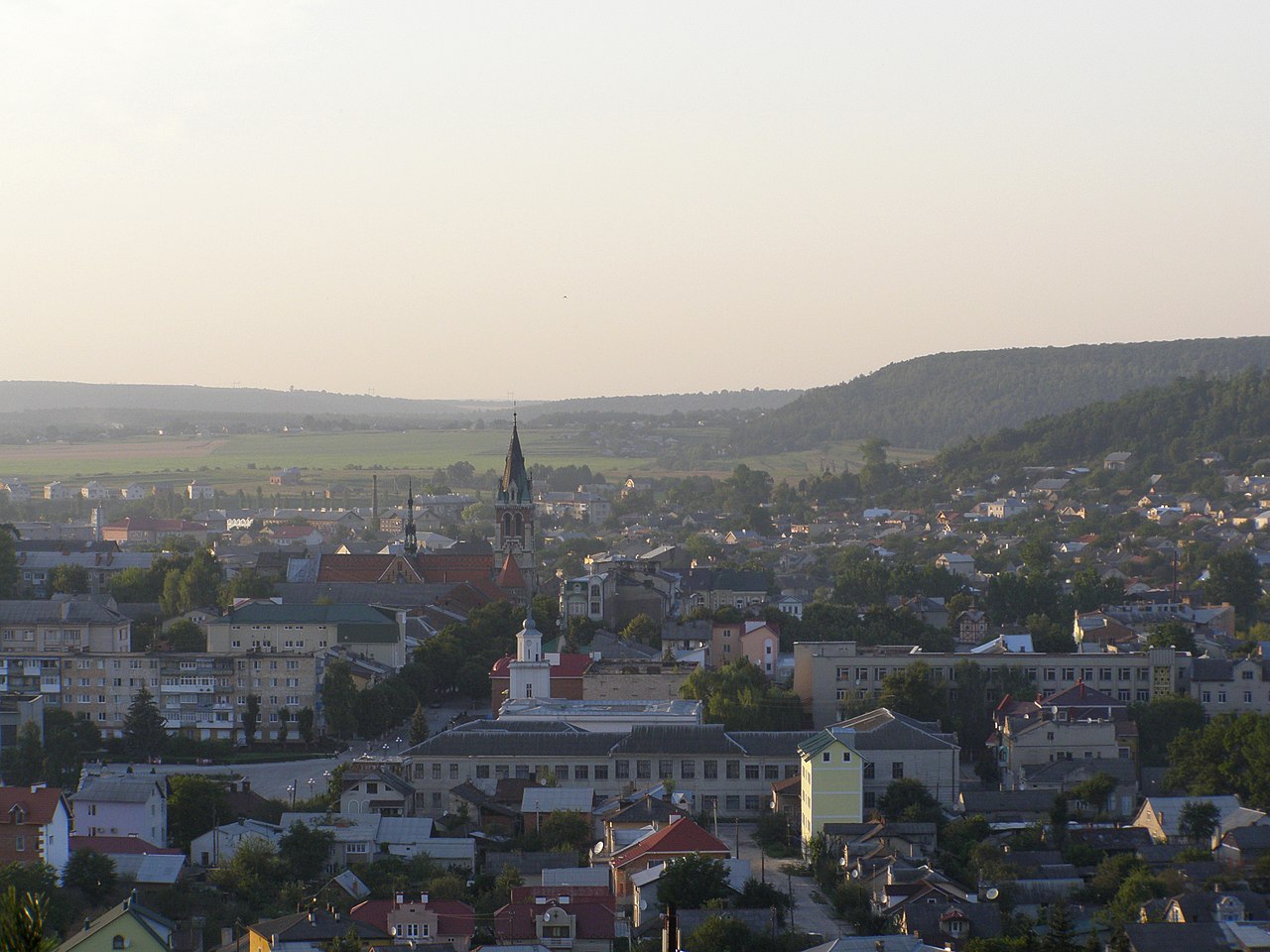
Ternopil Oblast sits within a zone of rolling hills, fertile plains and river valleys that form part of the larger historical region of Galicia. The landscape supports agriculture, small forests and scattered towns; many settlements grew along tributaries of larger rivers. Administrative divisions were reorganized in 2020 as part of a nationwide reform, consolidating smaller districts into several larger raions to streamline governance and public services.
History and cultural identity
The area that makes up Ternopil Oblast has a layered history. It was long part of the medieval and early modern Polish–Lithuanian political sphere and later came under Habsburg rule as part of Galicia. In the 20th century it experienced shifting borders and administrations, including periods within interwar Poland and Soviet Ukraine, events that shaped its towns, architecture and multiethnic past. Ukrainian language and culture are dominant today, and the oblast retains traditions of folk arts, religious architecture and regional festivals.
Economy, education and landmarks
The regional economy is mainly agricultural, with crop cultivation and animal husbandry prominent alongside local food processing and light industry. Ternopil city hosts regional educational and medical institutions, museums and theaters that serve the oblast. Visitors and residents can find historic castles, fortifications and churches in towns such as Kremenets and Zbarazh, as well as scenic river valleys and countryside routes used for leisure and rural tourism.
Notable facts and contemporary importance
- Strategic location: as part of western Ukraine, the oblast connects cultural and economic ties with neighboring regions and has a strongly Ukrainian cultural profile.
- Heritage: remnants of multiethnic communities and historic architecture reflect centuries of changing rule in Central and Eastern Europe.
- Administrative role: Ternopil city functions as the oblast’s political, educational and logistical centre.
Ternopil Oblast is best understood as a primarily rural province with a rich historical background and active regional centres. It remains significant for its agricultural contributions, local culture and the role its towns play in preserving regional history and public life.
Related articles
Author
AlegsaOnline.com Ternopil Oblast Leandro Alegsa
URL: https://en.alegsaonline.com/art/97100
Sources
- ukrainetrek.com : "Ternopil Oblast"