
Territoire de Belfort: department in eastern France
Territoire de Belfort is a small French department in the Bourgogne‑Franche‑Comté region, centred on the city of Belfort. Noted for the Belfort Gap, its fortress history and the Lion of Belfort.
The department known as the Territoire de Belfort lies in eastern France and is part of the administrative area of Bourgogne-Franche-Comté. It is one of the country's smallest departments by area and population and is organised around the city of Belfort, which serves as its prefecture and principal urban centre. Historically distinct, the territory has retained a compact identity within a larger regional framework.
Image gallery
10 Images


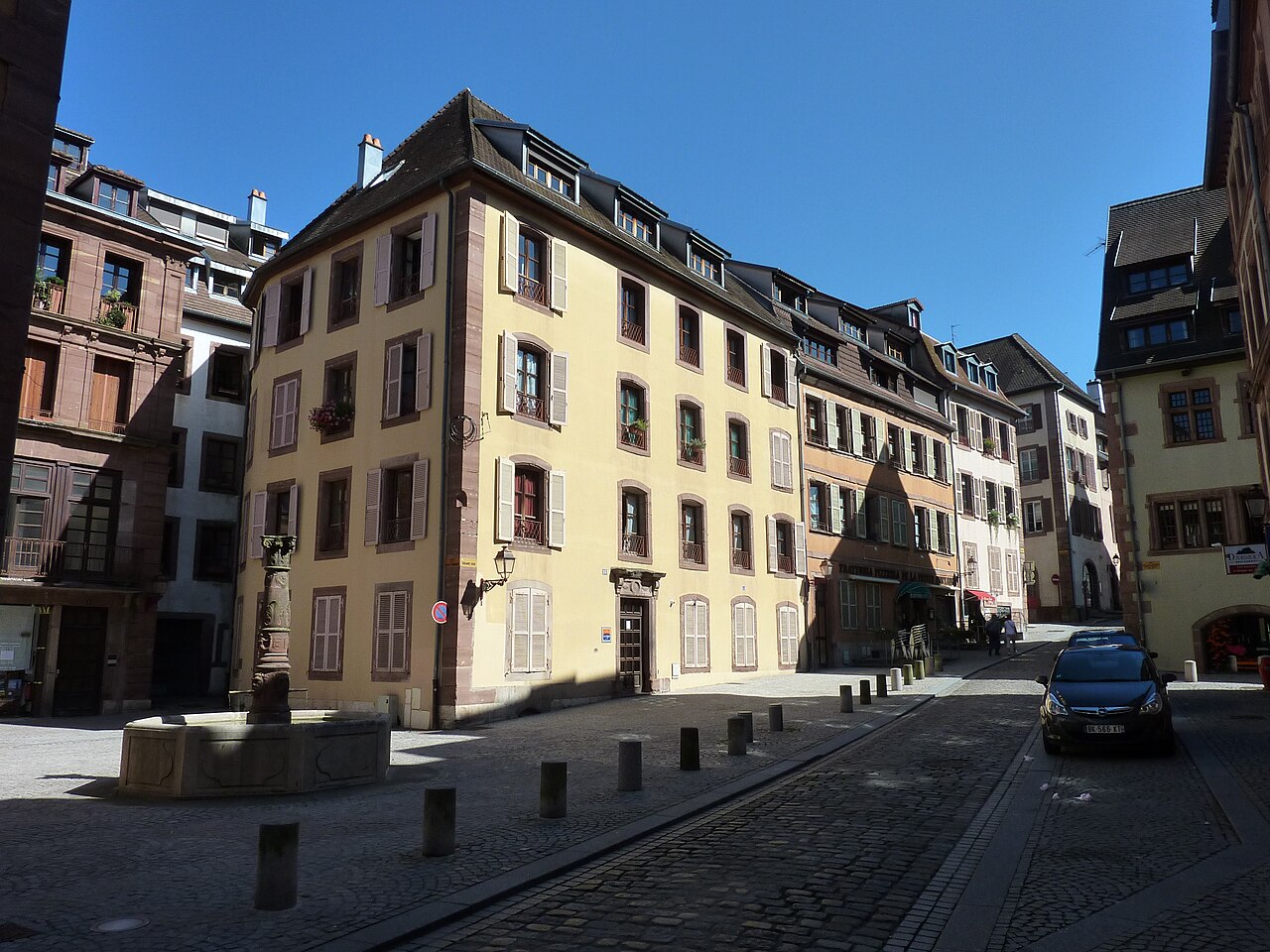

Geography and administration
Territoire de Belfort occupies a narrow corridor between the Vosges and the Jura mountains, framed by the strategically important Belfort Gap, a route linking much of eastern France with Germany and Switzerland. Administratively it functions as a single-department entity in the wider region, and its landscape mixes urban districts, industrial zones and rural countryside. Local communes and intercommunal structures manage services and planning.
History
The department’s distinct status originates in the aftermath of the 1870–71 Franco-Prussian War. When much of Alsace was ceded to Germany, the town and fortress of Belfort remained French; its resistance and separate administration led to a long-lasting territory with a specific legal and civic history. The area’s military heritage shaped town planning, monuments and local memory.
Economy, culture and transport
Economic activity blends manufacturing, engineering and services with cross-border commerce. Transport links take advantage of the Gap and routes that connect to neighbouring countries. Cultural life reflects a borderland mix of Alsatian and Franc‑Comtois influences: dialects, culinary traditions and local festivals are notable. The department capital is sometimes referred to as the capital of the territory in everyday usage.
Points of interest
- Lion of Belfort — a monumental sculpture symbolising resistance and local pride.
- The citadel and fortifications of Belfort, testimony to its strategic role.
- Access to nearby natural areas for hiking and outdoor recreation in the Vosges and Jura.
For readers and visitors, the Territoire de Belfort offers an instructive example of how border regions can preserve distinct civic identities within a national system. Further reading and official information are available from regional and departmental sources (department pages and regional portals).
Questions and answers
Q: What is Territoire de Belfort?
A: Territoire de Belfort is a department in Eastern France.
Q: Where is Territoire de Belfort located?
A: Territoire de Belfort is located in the Bourgogne-Franche-Comté region of France.
Q: What is the largest city in Territoire de Belfort?
A: Belfort is the largest city in Territoire de Belfort.
Q: What is the capital of Territoire de Belfort?
A: Belfort is the capital of Territoire de Belfort.
Q: What region is Territoire de Belfort in?
A: Territoire de Belfort is in the Bourgogne-Franche-Comté region.
Q: How would one describe the location of Territoire de Belfort within France?
A: Territoire de Belfort is located in the eastern part of France.
Q: What is the status of Territoire de Belfort within France?
A: Territoire de Belfort is a department within France.
Related articles
Author
AlegsaOnline.com Territoire de Belfort: department in eastern France Leandro Alegsa
URL: https://en.alegsaonline.com/art/97135
Sources
- territoiredebelfort.fr : "Le Président du Département"
- insee.fr : "Département du Territoire de Belfort (90)"
- insee.fr : "Populations légales 2014: Recensement de la population - Régions, départements, arrondissements, cantons et communes"
- territoiredebelfort.fr : "Histoire du Territoire de Belfort"
- territoiredebelfort.fr : "Géographie du Territoire de Belfort"
- peakbagger.com : "Ballon d'Alsace, France"
- insee.fr : "Département du Territoire de Belfort (90)"
- insee.fr : "Régions, départements, arrondissements, cantons et communes"
- insee.fr : "Département du Territoire de Belfort (90)"
- legifrance.gouv.fr : "Décret n° 2014-155 du 13 février 2014 portant délimitation des cantons dans le département du Territoire de Belfort"
- habitants.fr : "Territoire-de-Belfort"